
Valentine’s Day serves as a perfect opportunity to express your deepest emotions through the timeless medium of a handwritten card. While store-bought options are convenient, there is something truly magical about a personalized creation that speaks directly to the recipient's heart. Crafting your own card allows you to infuse every detail with intention, from the choice of paper to the specific artistic techniques used. Whether you are looking for something whimsical, sophisticated, or deeply sentimental, these creative approaches will help you stand out. In an age of digital messages, a physical card remains a cherished keepsake that people hold onto for many years to come.
1. Handmade watercolor heart cards
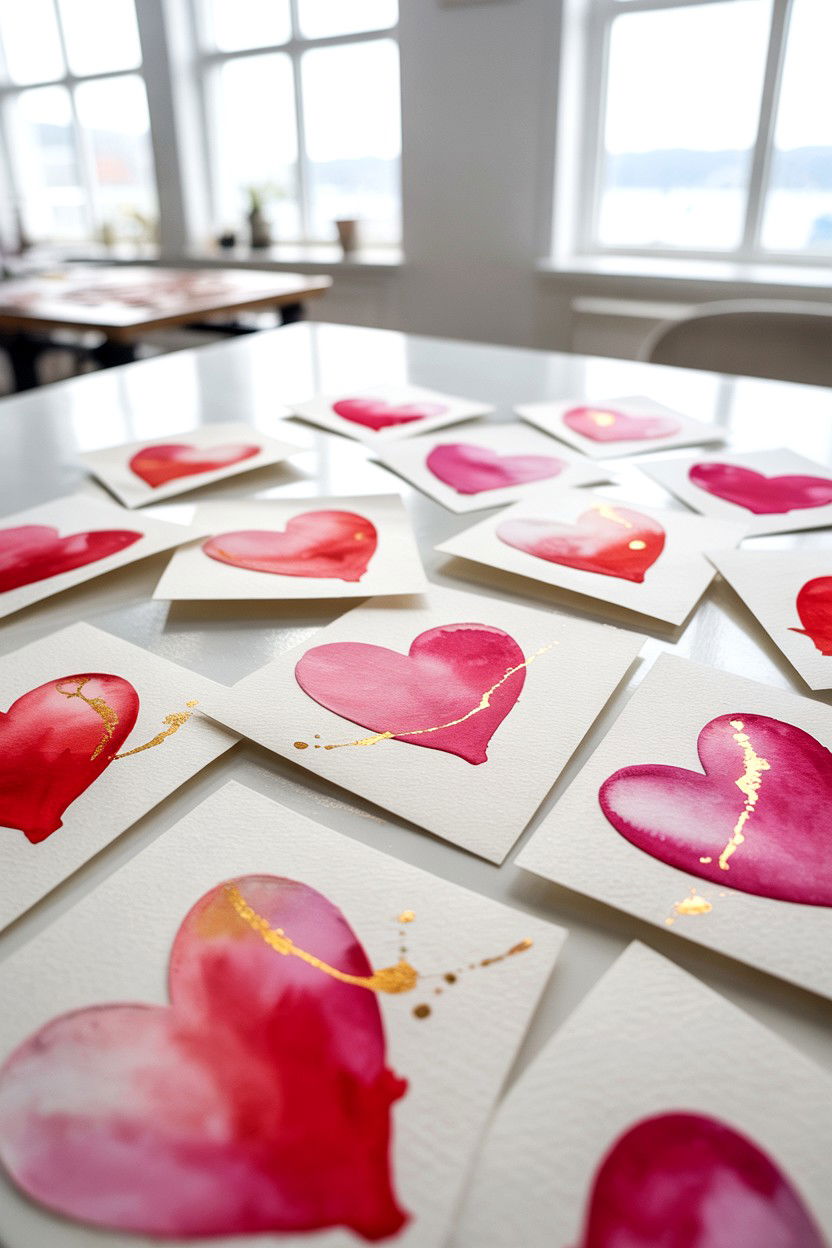
Have you ever watched vibrant pigments dance across a wet surface to create something ethereal? Watercolor techniques offer a soft, romantic aesthetic that perfectly matches the sentiment of February fourteenth. You can create a stunning ombre effect by blending deep crimson into soft pinks, or try a "wet-on-wet" technique to let colors bleed naturally into heart shapes. Adding a few splatters of gold ink can elevate the entire look, giving it a professional yet artisanal feel. Because watercolor is unpredictable, every single card you make will be a one-of-a-kind masterpiece. This approach is ideal for those who appreciate the beauty of imperfection and the fluid nature of artistic expression.
2. 3D pop up heart cards
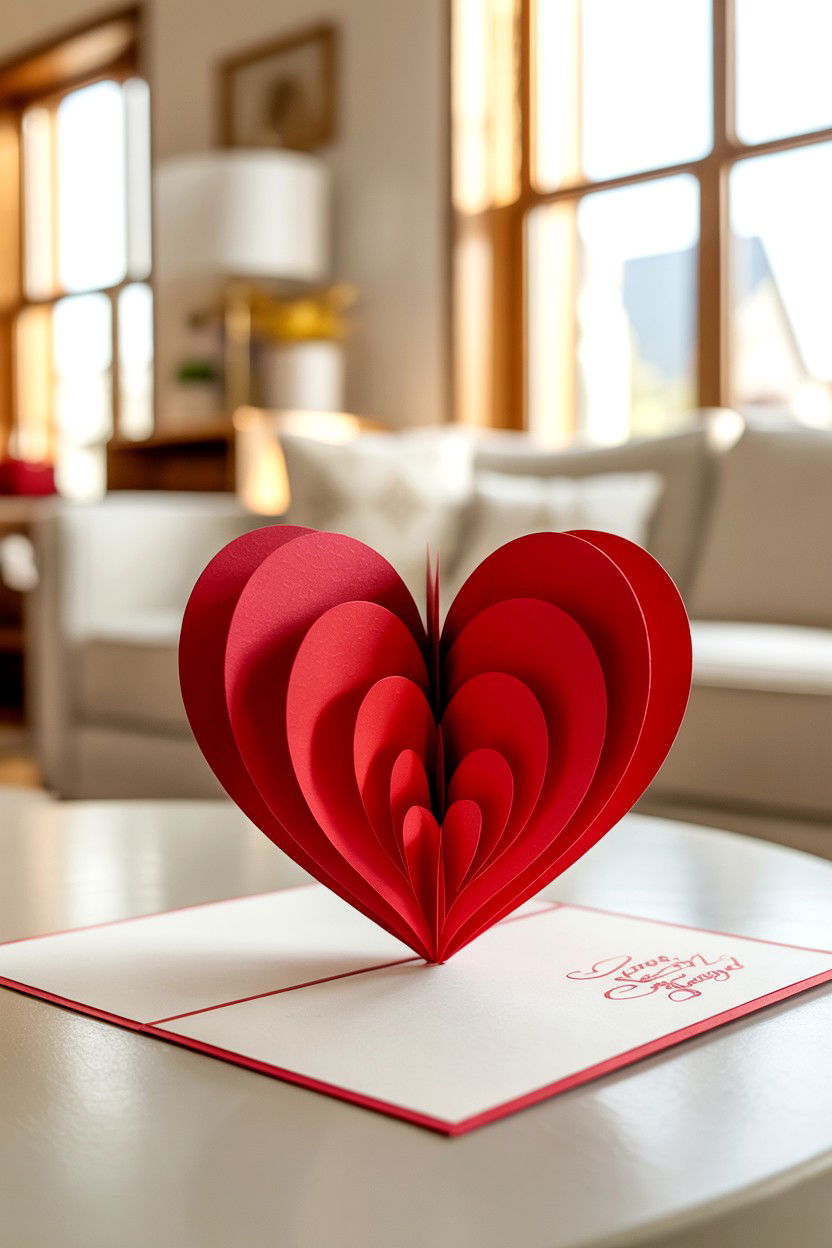
Imagine the look of pure delight when your loved one opens a card and a sculptural heart leaps out at them. Pop-up mechanisms add an interactive, playful element that transforms a flat piece of paper into a small piece of architecture. You don't need to be an expert engineer to master this; simple V-fold cuts can create impressive depth and movement. For a more complex look, you can layer multiple hearts that unfold like a blooming flower. Using contrasting colors for the interior and exterior makes the 3D element pop even more vividly. This style is particularly memorable because it provides a tactile experience that traditional cards simply cannot match.
3. Pressed flower valentine cards
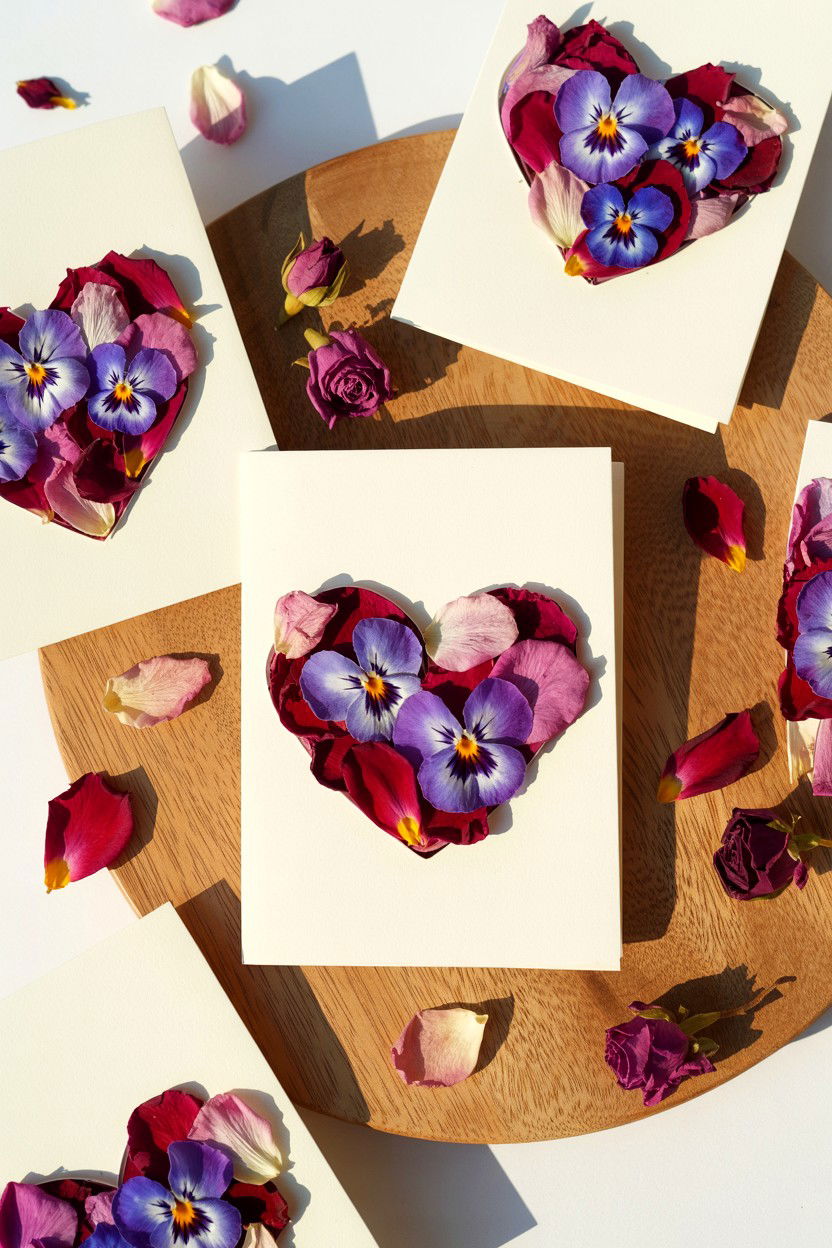
There is an undeniable charm in using real elements from nature to symbolize a love that is growing and blooming. Pressed flowers bring a delicate, vintage, and organic feel to your stationery that feels both sophisticated and deeply thoughtful. You can use tweezers to carefully arrange dried pansies, rose petals, or tiny baby’s breath into the shape of a heart on heavy cardstock. Securing them with a thin layer of clear glue or covering them with translucent vellum adds a professional finish. These cards act as both a greeting and a tiny piece of preserved art that can be framed and displayed long after the holiday ends.
4. Minimalist line art cards
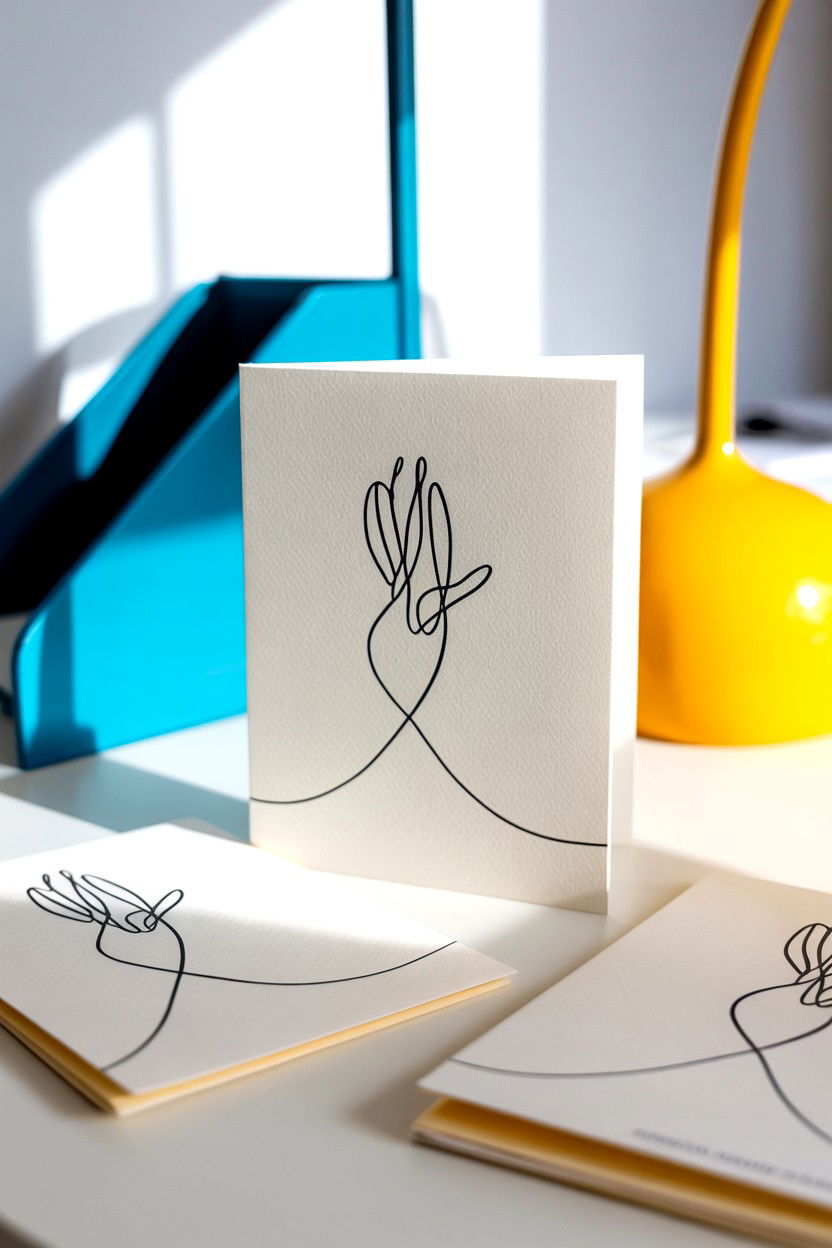
Sometimes the most powerful messages are the ones delivered with simplicity and restraint. Minimalist line art focuses on clean strokes and negative space, creating a modern and high-end look that appeals to those with contemporary tastes. You might draw a single, continuous line that forms two profiles or two hands interlaced in a subtle heart shape. Using a high-quality black fineliner on crisp white or cream paper creates a striking contrast that feels very intentional. This style proves that you do not need bright colors or excessive embellishments to convey deep affection. It is about the elegance of the form and the clarity of the sentiment.
5. Vintage aesthetic valentines
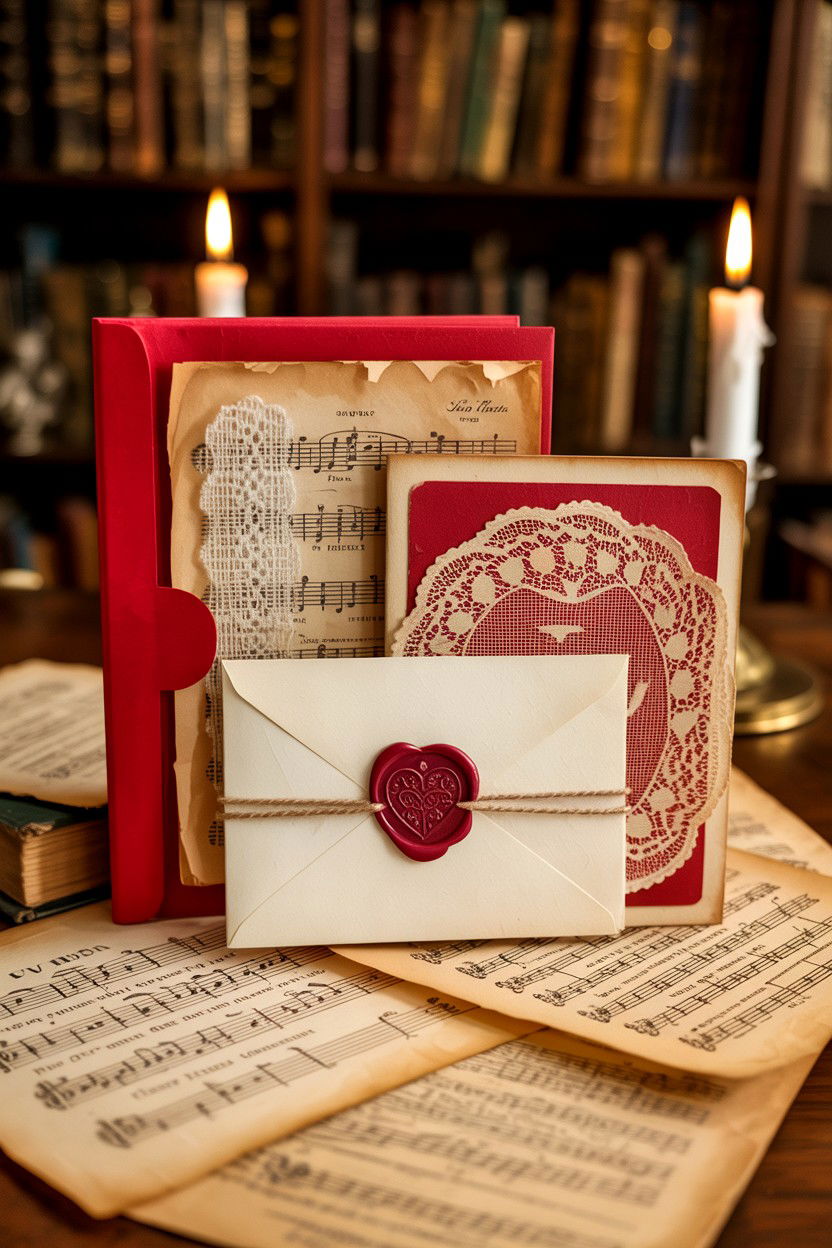
Transport your recipient to a different era by incorporating elements that feel nostalgic, romantic, and steeped in history. To achieve a vintage look, consider using tea-stained paper, lace doilies, and sepia-toned imagery that evokes the feeling of old-fashioned love letters. You can use rubber stamps with Victorian motifs or incorporate scraps of antique sheet music as a background layer. Adding a wax seal to the envelope is the perfect finishing touch to make the entire experience feel like a rediscovered treasure. This style is perfect for those who love history, classic literature, or the timeless romance found in old movies and handwritten correspondences from the past.
6. Photo collage cards
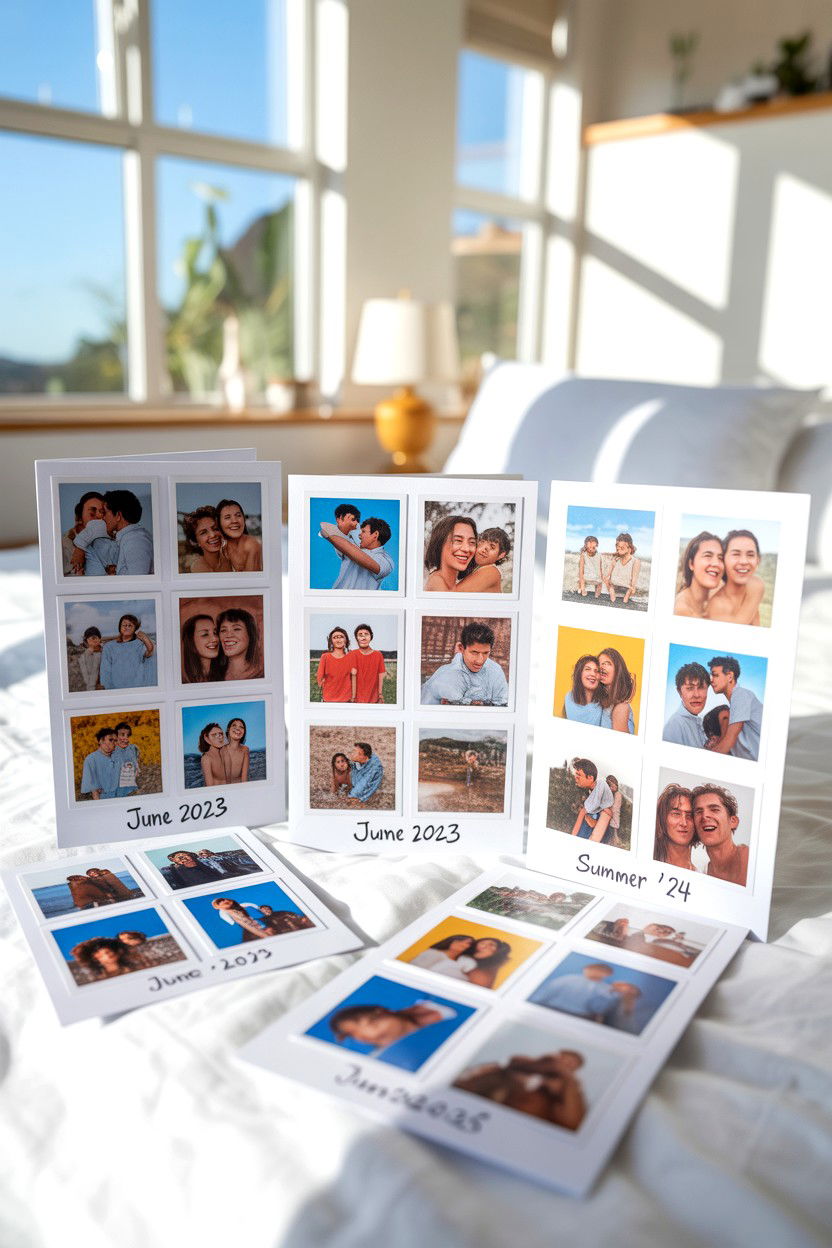
Nothing tells a story quite like a collection of shared memories captured in photographs over the months or years. A photo collage card is deeply personal because it highlights the specific journey and the unique moments that define your relationship. You can arrange small Polaroid-style prints in a grid or cut them into heart shapes to create a visual narrative of your time together. Adding brief captions or dates next to each image adds another layer of sentimentality that the recipient will appreciate. This is more than just a card; it is a mini scrapbook that celebrates your history and the many reasons why you cherish your partner.
7. Punny food cards
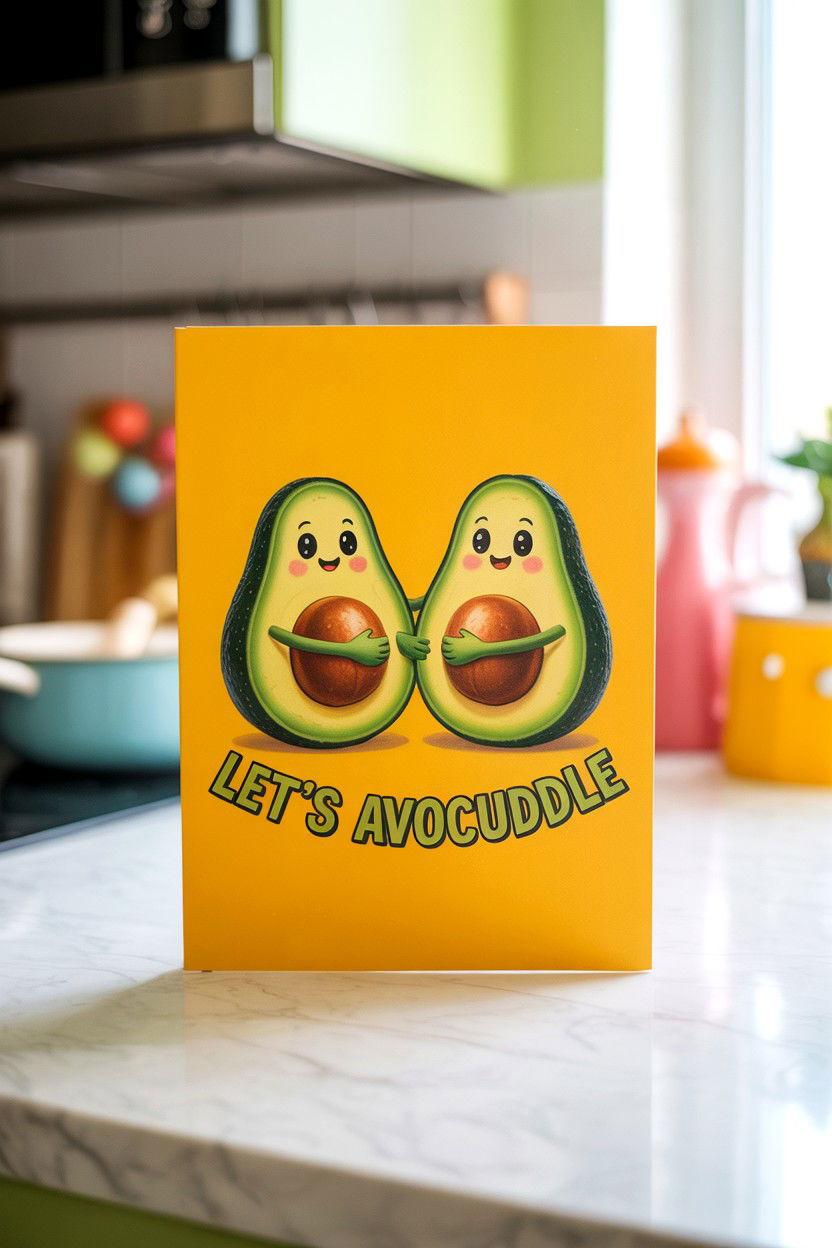
If your relationship is built on laughter and lightheartedness, a card featuring a clever food pun is the way to go. Playful illustrations of avocados with the phrase "let’s avocuddle" or a pair of pears saying "we make a great pear" bring instant smiles. These designs are often bright, colorful, and whimsical, making them a favorite for friends, family members, and significant others alike. You can use markers or colored pencils to bring these cute characters to life, ensuring the tone remains fun and approachable. Humor is a wonderful way to express love, showing that you appreciate the joy and the fun side of your unique connection.
8. Origami heart cards
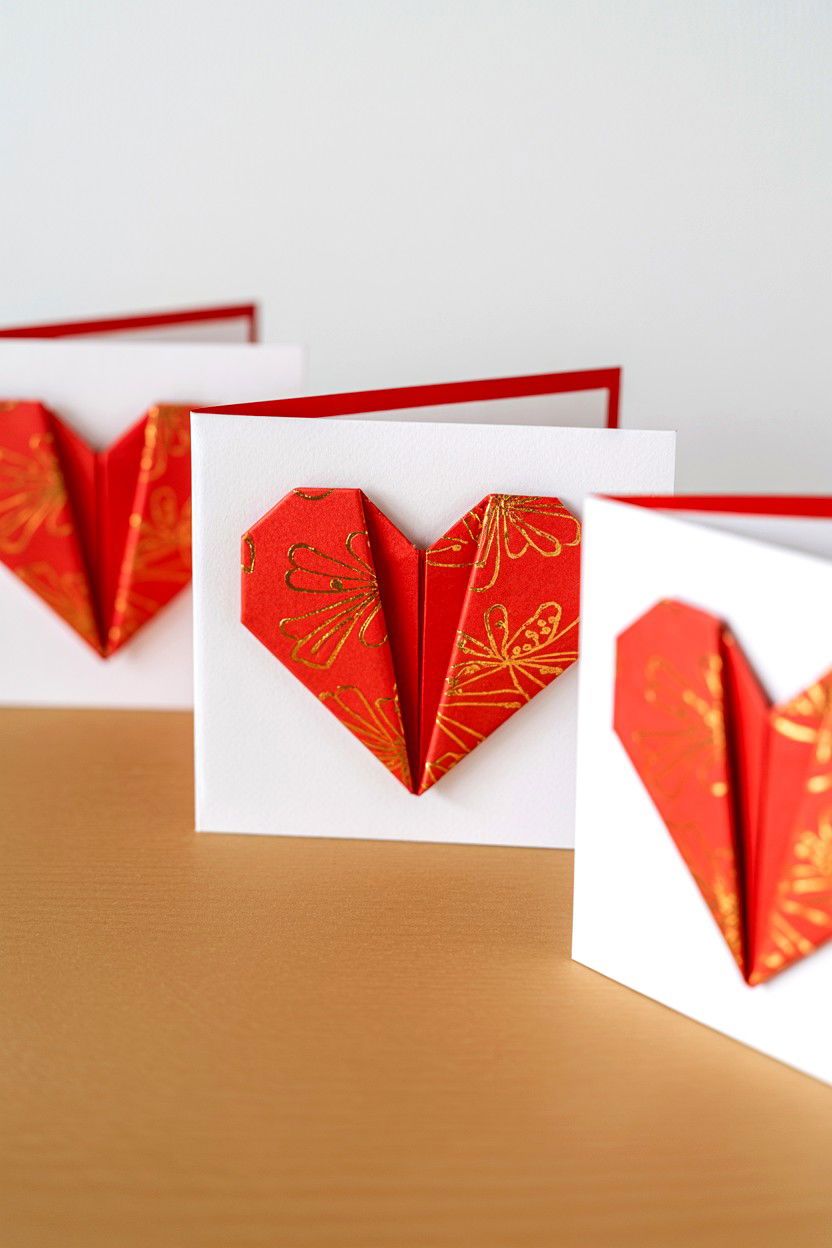
The ancient art of paper folding can be used to create beautiful, symbolic shapes that represent the care put into a relationship. An origami heart can be attached to the front of a card or even serve as the card itself if you write your message inside the folds. Using patterned washi paper or metallic foil adds a luxurious texture to the geometric lines of the fold. This technique demonstrates patience and precision, qualities that are also vital in a long-lasting and healthy relationship. It is a meditative process for the maker and a fascinating, intricate gift for the person who receives it on this special day.
9. Embroidery on paper cards
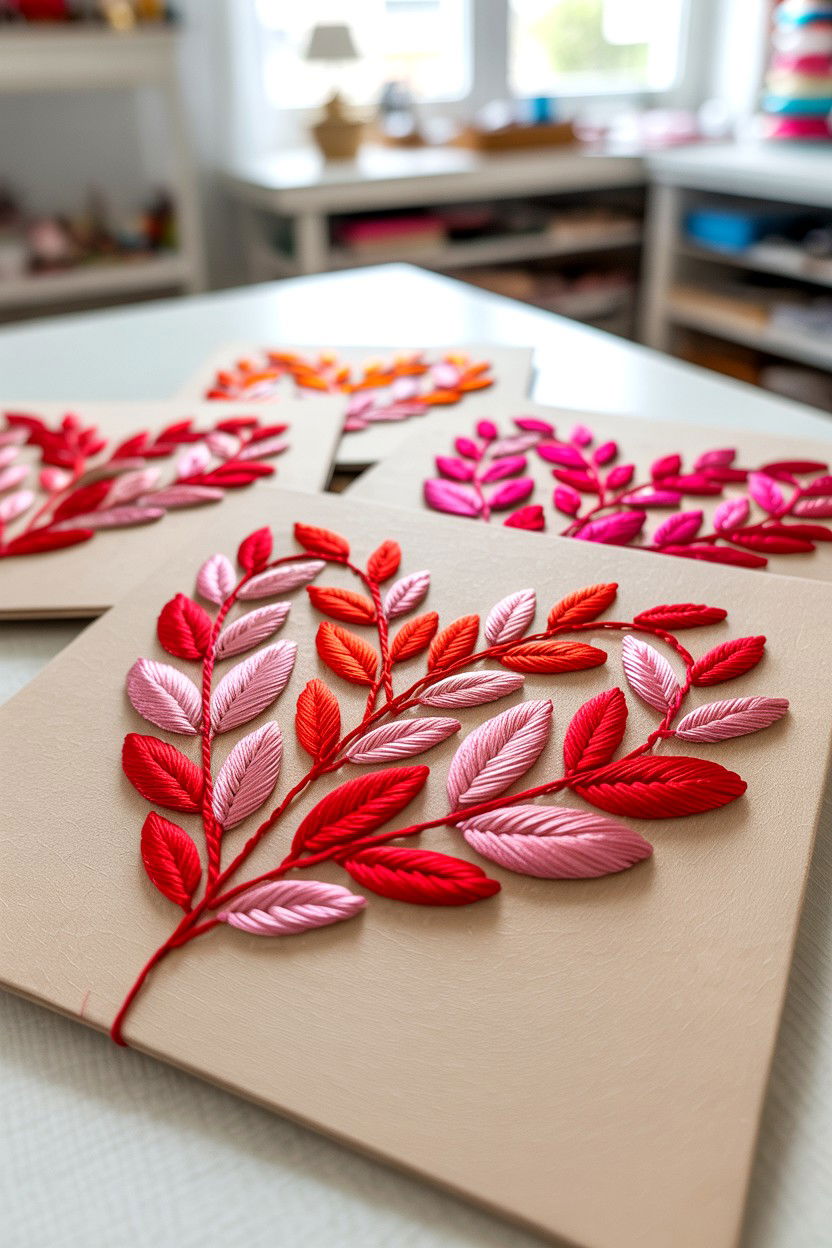
Adding texture through needlework is a unique way to bridge the gap between paper crafting and traditional textile arts. By carefully piercing holes in cardstock, you can stitch colorful embroidery floss into beautiful patterns, such as a heart or a floral vine. The contrast between the smooth paper and the raised, soft thread creates a wonderful tactile experience for the recipient. You can use a simple backstitch for outlines or a satin stitch to fill in shapes with solid, vibrant color. This method results in a card that feels incredibly sturdy and handmade, showing that you took the extra time to craft something truly special.
10. Interactive scratch off cards
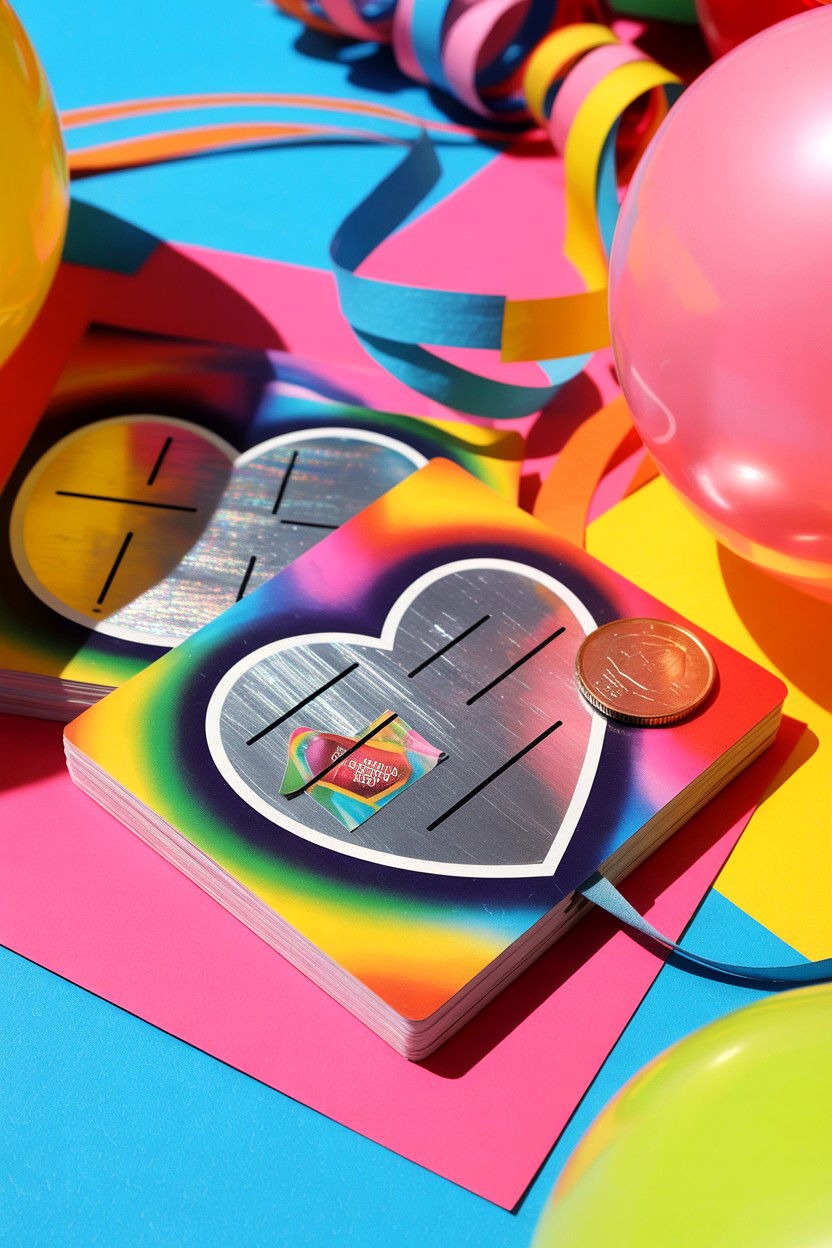
Who doesn't love the excitement of scratching off a hidden message to reveal a surprise underneath? You can easily create your own scratch-off surface using a mixture of metallic acrylic paint and a small amount of dish soap. Simply write a secret message or a "coupon" for a date night, cover it with clear tape, and paint over it. When your partner scratches it off with a coin, they will be delighted by the hidden sentiment or the fun prize you have planned. This interactive element adds a sense of mystery and playfulness to the holiday, making the card-opening process an event in itself.
11. Quilled paper cards
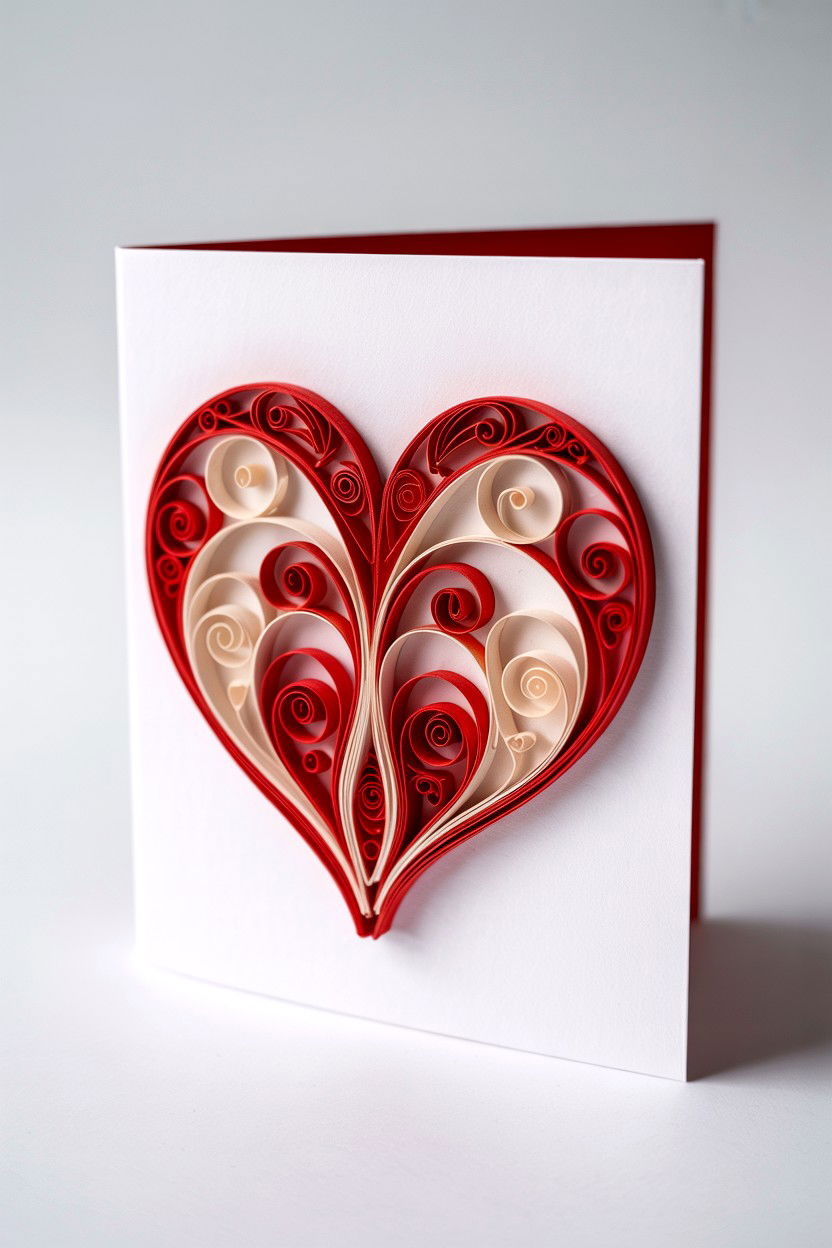
Paper quilling involves rolling thin strips of paper into intricate coils and scrolls to create stunning, three-dimensional filigree designs. This technique allows you to build incredibly detailed hearts, flowers, and abstract patterns that have a beautiful sense of depth and movement. While it requires some specialized tools and a bit of practice, the results are breathtaking and look like something purchased from a high-end boutique. You can play with different widths of paper and various shades of red and pink to create a vibrant, textured masterpiece. A quilled card is a true labor of love that showcases your artistic dedication and your eye for fine detail.
12. Modern calligraphy cards
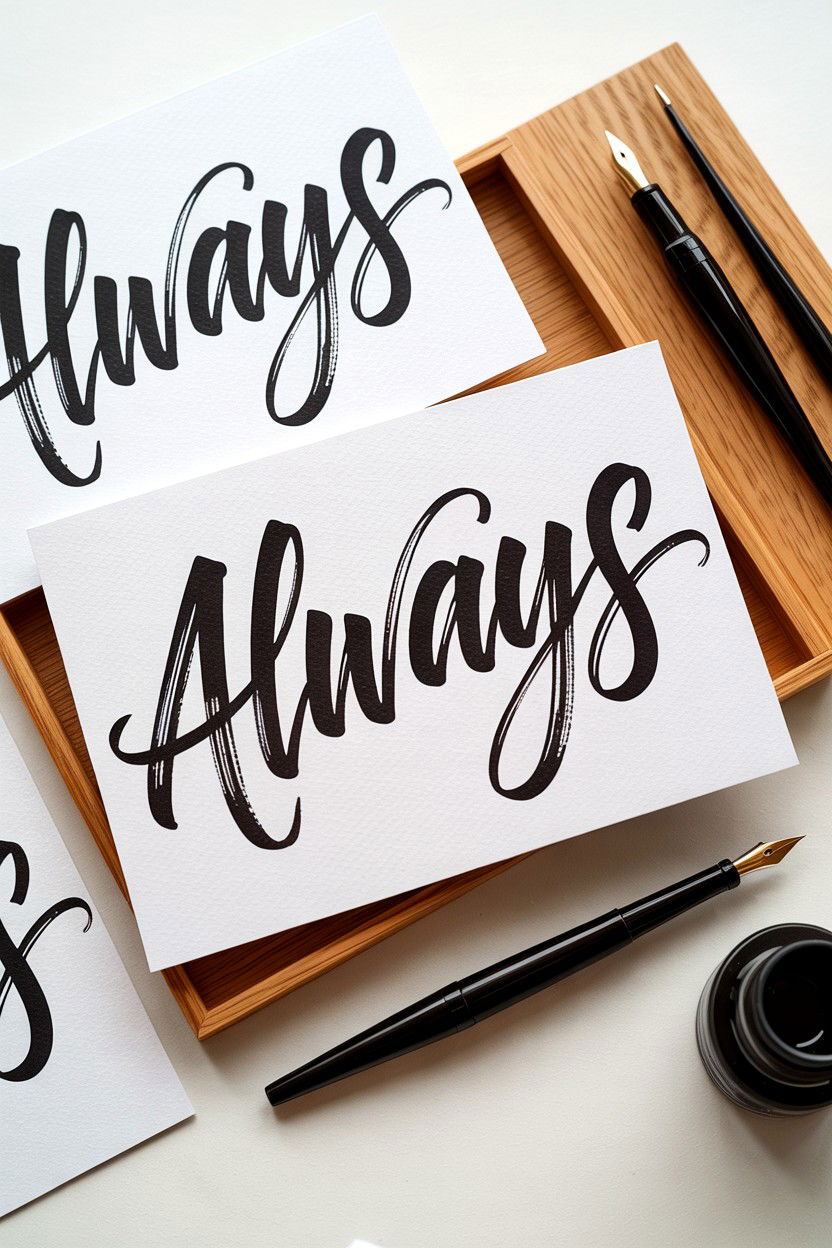
The beauty of the written word takes center stage when you use modern calligraphy to craft your Valentine’s message. This style emphasizes fluid, expressive brush strokes and varying line weights to create elegant lettering that feels both personal and artistic. You can write a single meaningful word like "Always" or "Beloved" in large, sweeping script across the center of the card. Using high-quality ink and a pointed pen or a brush marker allows for a level of sophistication that standard handwriting cannot achieve. This approach focuses on the aesthetic power of language, turning a simple sentiment into a visually stunning piece of art for your partner.

13. Fingerprint heart cards
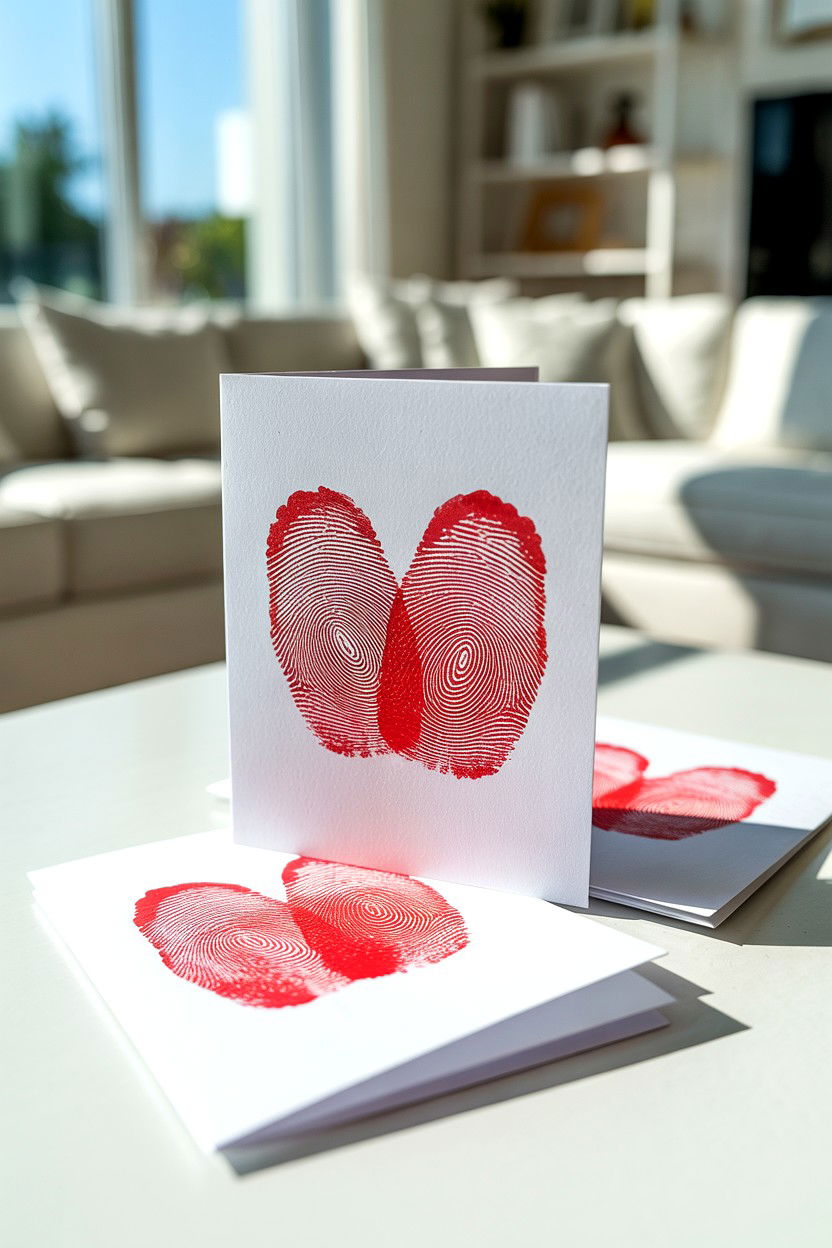
There is no signature more unique than your own fingerprint, making this a deeply symbolic and intimate way to decorate a card. By pressing your inked thumb or finger onto the paper at an angle, you can create two overlapping prints that form a perfect heart. This is a wonderful idea for couples to do together, using one print from each person to represent their union. It is also a popular choice for children making cards for parents, as it captures a tiny moment in time. The simplicity of the design allows the personal connection to shine through, reminding the recipient of the physical touch of their loved one.
14. Confetti shaker cards
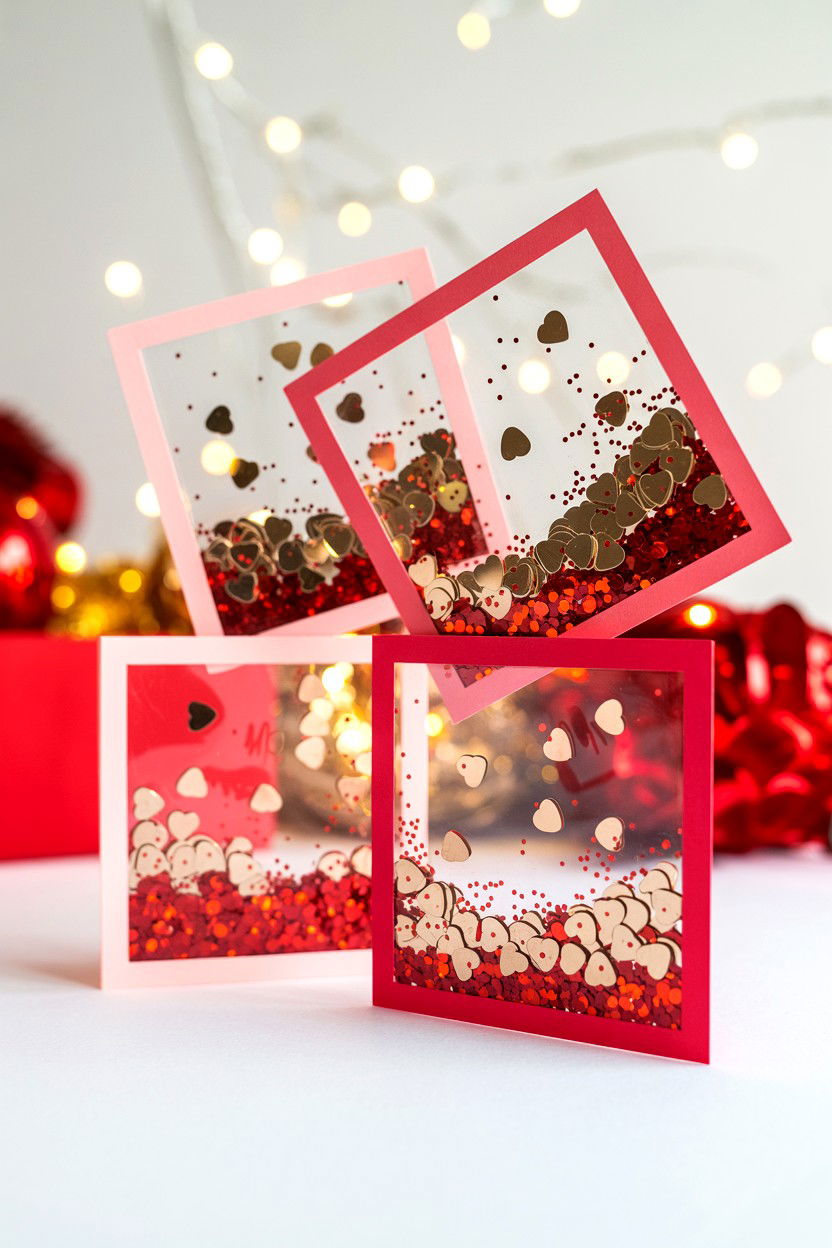
Bring a sense of celebration and joy to your Valentine’s Day by creating a card that actually moves and sparkles. Shaker cards feature a clear "window" filled with loose sequins, glitter, or tiny paper hearts that jingle and dance when the card is shaken. You can use foam adhesive to create a small reservoir between layers of cardstock, ensuring the confetti stays contained while remaining visible. This design is inherently cheerful and festive, making it perfect for someone who loves a bit of glamour and excitement. It turns a traditional greeting into a fun, sensory experience that is sure to stand out among more conventional paper cards.
15. Black and red cards
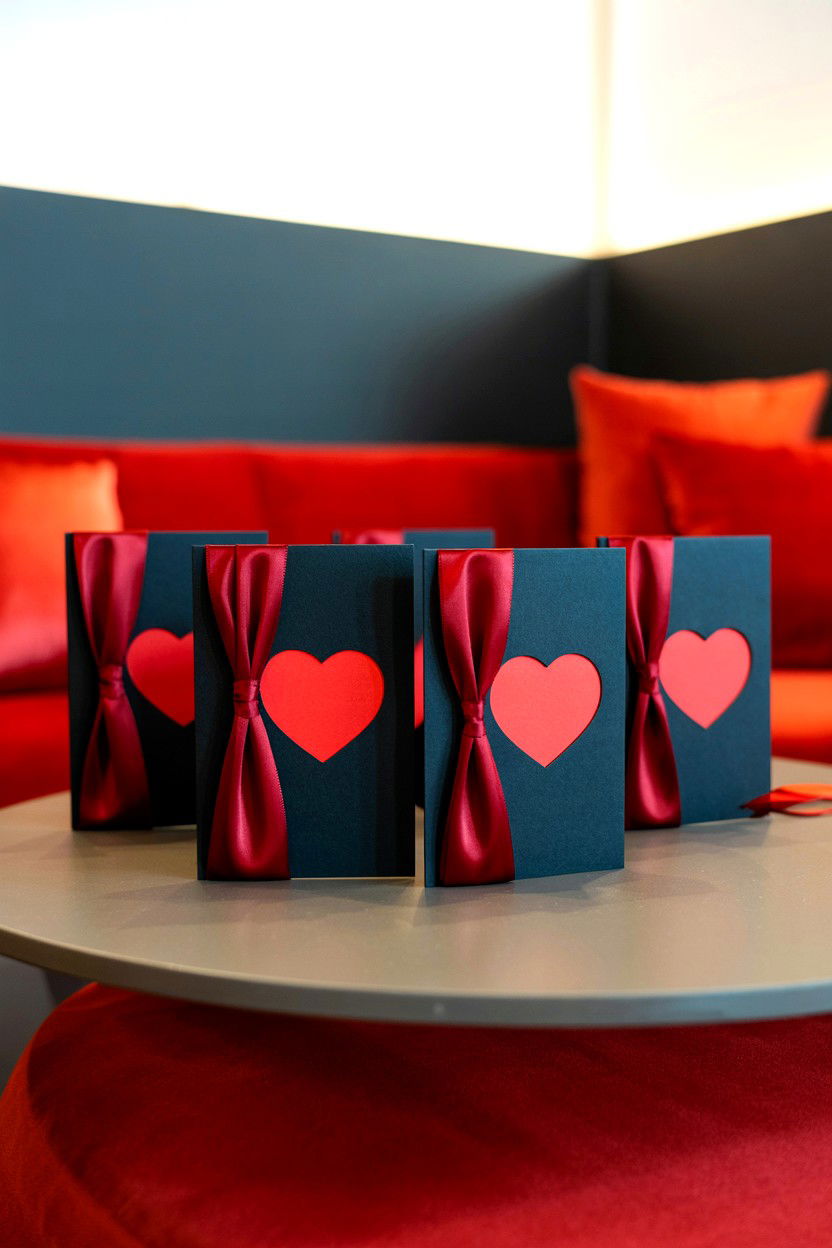
While pink is a traditional choice, a bold black and red color palette offers a more dramatic, sophisticated, and modern aesthetic. This high-contrast combination feels powerful and passionate, making it a great choice for a romantic partner with an edgy or classic style. You can use black cardstock as a base and add vibrant red accents through ribbons, wax seals, or intricate paper cutouts. White ink or silver pens can be used to write messages that pop against the dark background. This color scheme moves away from the "cute" side of the holiday and leans into a more mature and striking expression of deep, intense love.
16. Abstract paint pour cards
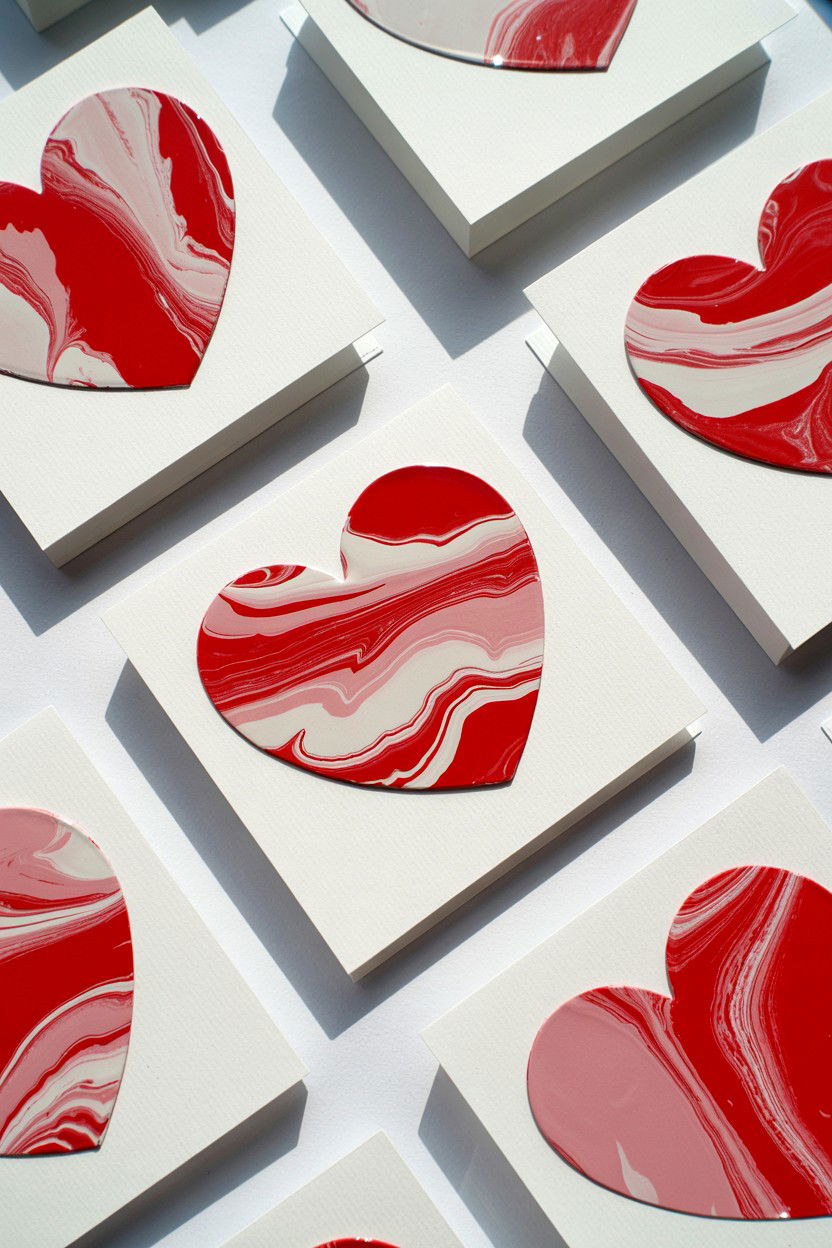
For those who love a messy, experimental process, abstract paint pouring can result in some of the most visually stunning and unique cards. By thinning acrylic paints and pouring them onto a surface, you create marbled patterns and organic shapes that look like swirling galaxies or fluid stone. Once the paint is dry, you can cut these colorful sheets into heart shapes and mount them onto plain white cards for a professional look. No two pours are ever the same, ensuring that your card is as unique as the person you are giving it to. It is a modern, artistic way to celebrate the vibrant colors of love.

17. Map themed cards
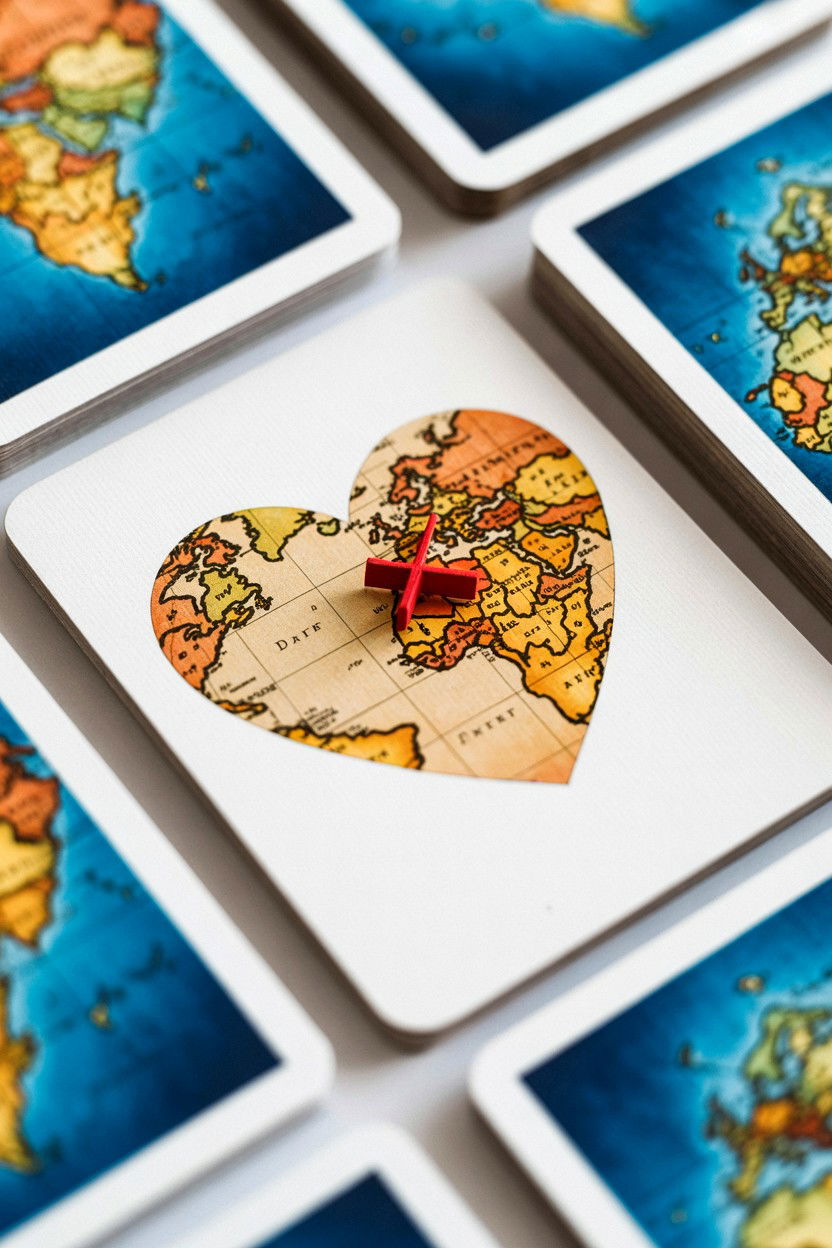
If you and your partner share a love for travel or have a specific place that is meaningful to your relationship, a map-themed card is perfect. You can use an old atlas or print out a map of the city where you met, where you got engaged, or where you live now. Cutting the map into a heart shape and placing it on a neutral background creates a sentimental focal point that tells a story. Adding a small "X" or a tiny heart sticker over the exact location makes the card even more specific and touching. It celebrates the journey you have taken together and the places that define your bond.
18. Button heart cards
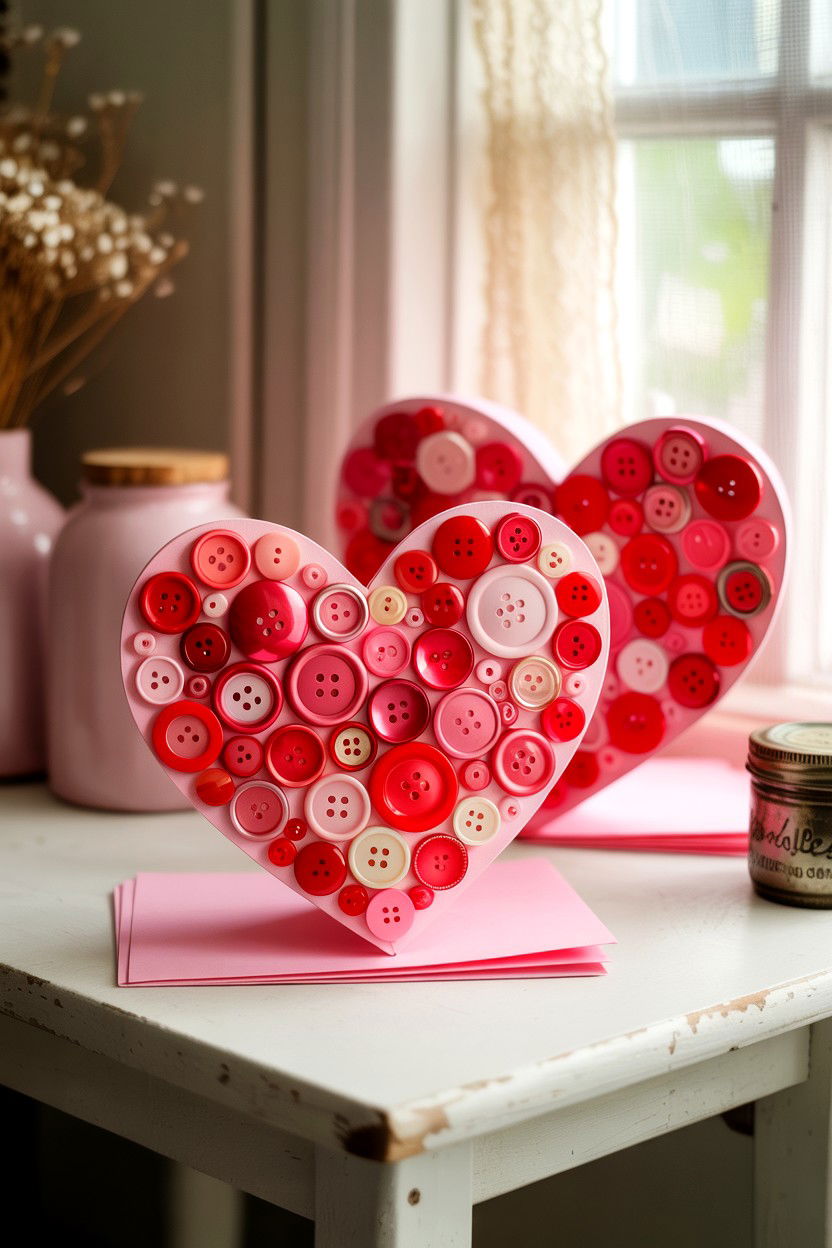
Using everyday objects like buttons can add a charming, homemade, and whimsical feel to your Valentine’s Day stationery. You can gather a variety of red, pink, and white buttons in different sizes and textures to form a large, tactile heart on the front of your card. Sewing them onto the paper adds an extra layer of craftiness, though a strong craft glue also works perfectly well. This style has a cozy, "shabby chic" vibe that feels very warm and inviting. It is a creative way to upcycle materials you might already have at home while creating something that is visually interesting and fun to touch.
19. Washi tape cards
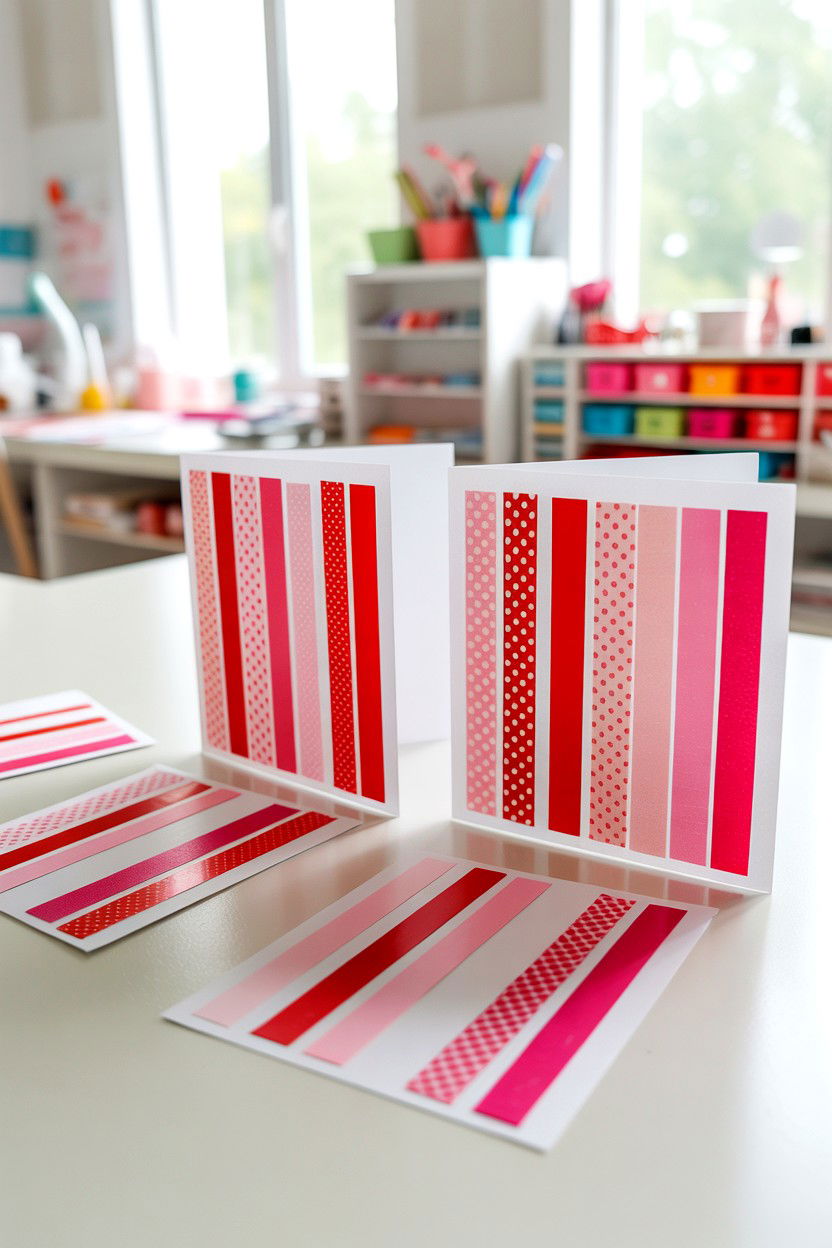
Washi tape is a favorite among crafters for its versatility and the endless variety of patterns and colors it comes in. You can use strips of decorative tape to create geometric patterns, stripes, or even to fill in a large heart silhouette. Because the tape is slightly translucent, layering different patterns can create new colors and interesting visual depths. This is a fantastic option for those who want to make multiple cards quickly without sacrificing style or creativity. It results in a clean, modern, and colorful look that is perfect for friends and family, adding a bright pop of personality to their Valentine’s Day.
20. Pop art cards

Inspired by the bold colors and graphic styles of the 1960s, a pop art card is a fun and energetic way to say "I love you." Think bright primary colors, Ben-Day dots, and comic book-style speech bubbles with phrases like "POW!" or "YOU’RE MY HERO!" You can use markers to create high-contrast illustrations that feel like they jumped right off a gallery wall. This style is perfect for the person who appreciates art history or simply has a bold and vibrant personality. It is a refreshing departure from traditional romantic imagery, offering a cool and stylish alternative that feels very current and full of life.
21. Botanical illustration cards
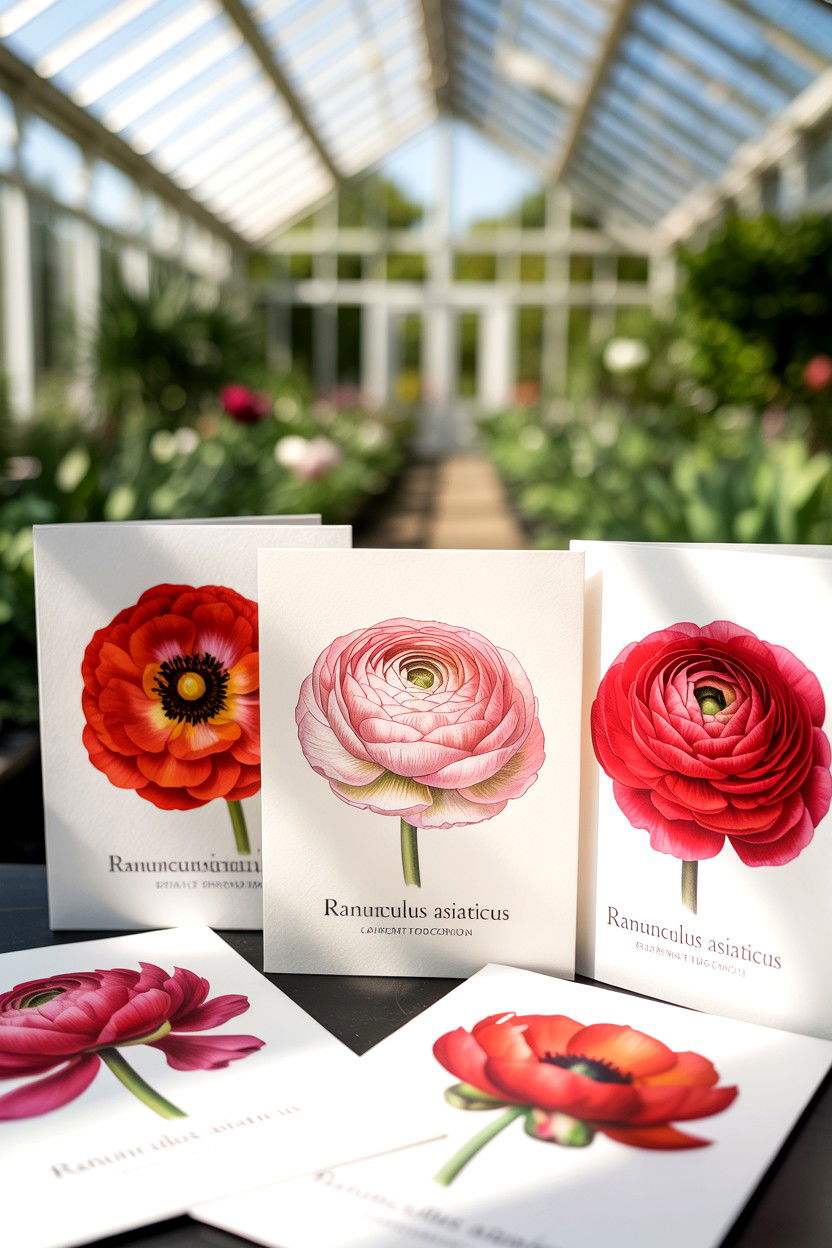
For a look that is timeless and sophisticated, consider the detailed and scientific beauty of botanical illustrations. You can draw or paint realistic flowers like ranunculus, peonies, or classic red roses with fine-tipped pens and watercolors. Adding the Latin names of the plants in a neat script can enhance the scholarly and elegant feel of the card. This style appeals to those who love gardening, nature, or traditional art forms. It feels very high-end and thoughtful, as if you have carefully curated a rare specimen just for them. These cards are often beautiful enough to be kept as small pieces of art for years.
22. Geometric pattern cards
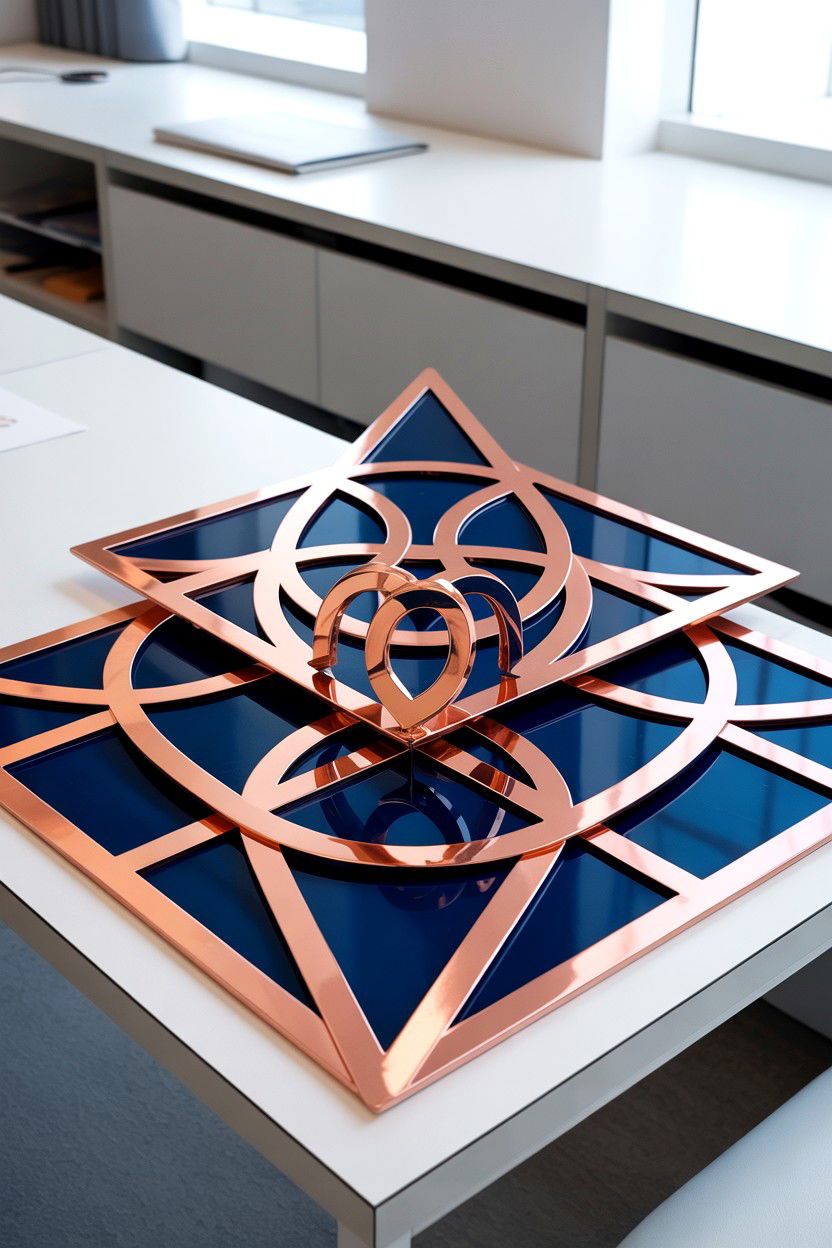
Modern and structured, geometric patterns offer a clean and organized way to express your feelings this Valentine’s Day. You can use a ruler and compass to create intricate designs made of triangles, hexagons, or interlocking circles that form a larger heart shape. Using a limited color palette, such as gold and navy or blush and copper, keeps the design looking sophisticated and intentional. This style is great for someone who appreciates symmetry, architecture, or modern graphic design. It shows a level of precision and thought that makes the card feel very deliberate, proving that love can be both a beautiful feeling and a perfectly structured bond.
23. Retro typewritten cards
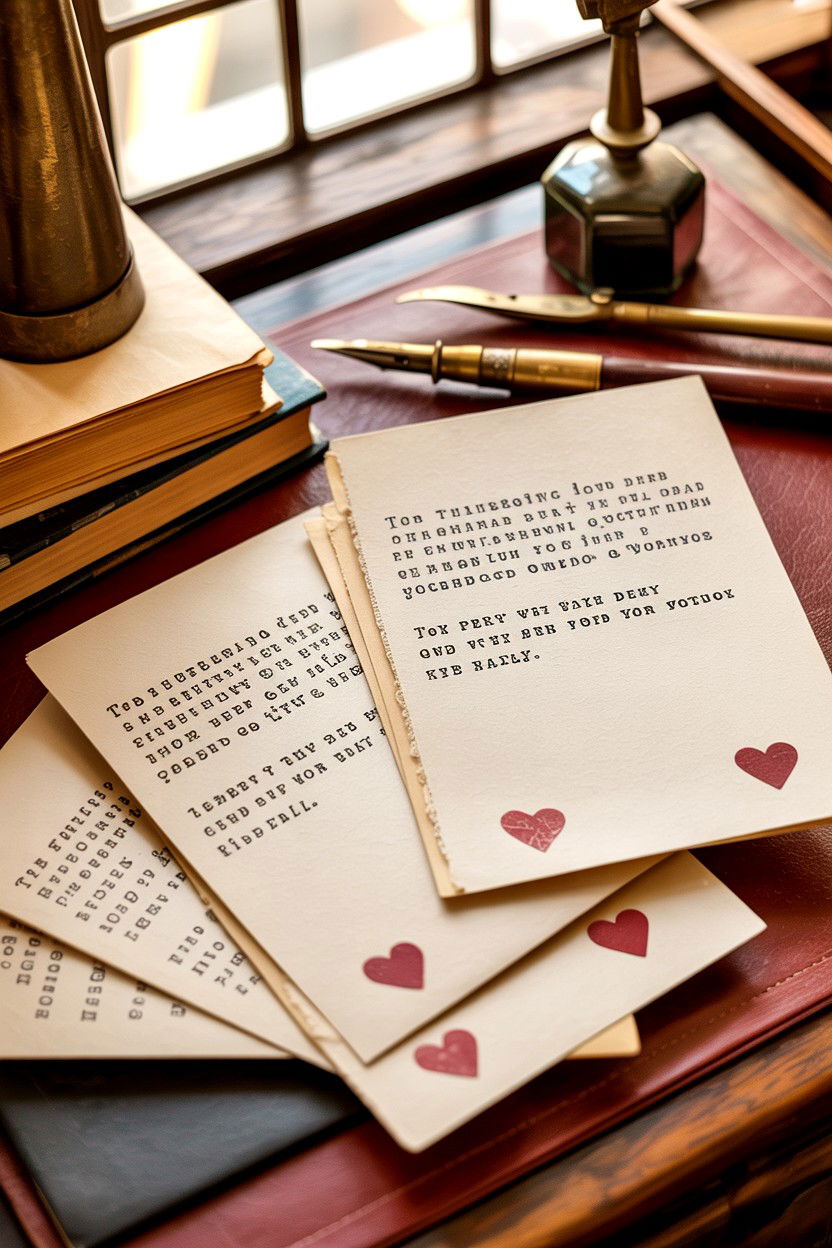
There is something incredibly romantic about the clack of a typewriter and the slightly imperfect ink on the page. If you have access to a vintage typewriter, you can type your message directly onto high-quality cardstock or onto a small scrap of paper to be glued down later. The aesthetic of the classic serif font immediately evokes a sense of nostalgia and timelessness. You can type out a favorite poem, a song lyric, or a simple, direct "I love you." This approach focuses on the raw honesty of the words, stripping away the distractions of modern technology to deliver a message that feels authentic and deeply personal.
24. Layered paper cards
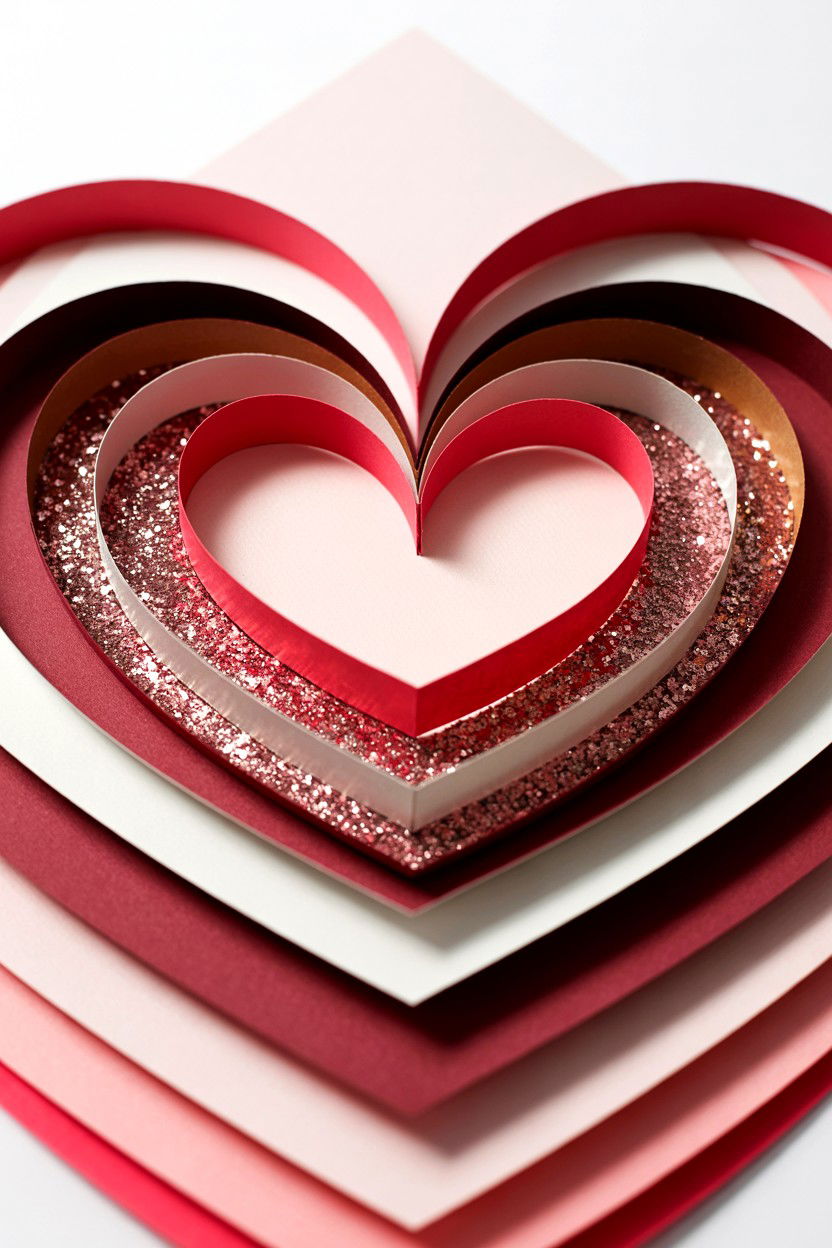
Creating depth through physical layers of paper can give your card a sophisticated, three-dimensional look that feels like a professional piece of paper art. You can use a craft knife or a die-cutting machine to cut out various shapes and stack them using foam squares for elevation. Playing with different textures, such as glitter paper, matte cardstock, and vellum, adds visual interest and a premium feel. This technique allows you to create shadows and highlights that change as the recipient moves the card in their hands. It is a wonderful way to show off your craftsmanship and create a card that feels substantial and high-quality.
25. Stamp art cards
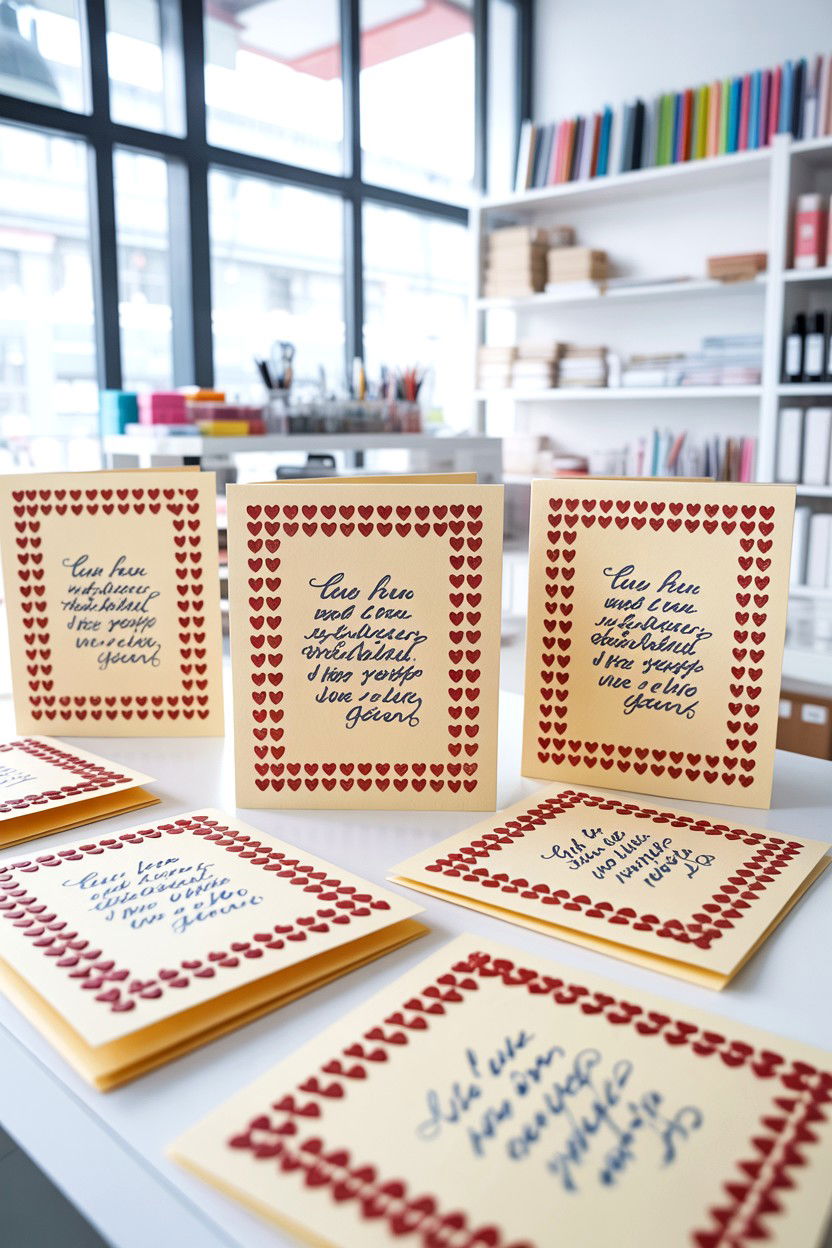
Rubber stamps offer a quick and effective way to create beautiful, repetitive patterns or bold focal points on your Valentine’s cards. You can use a single heart stamp in different shades of red to create a falling "rain" of hearts, or use alphabet stamps to spell out a custom message. Experimenting with different ink types, such as metallic or chalk inks, can change the entire mood of the design. Stamping is a versatile technique that allows for both precision and artistic flair, making it easy to create a professional-looking set of cards. It is a classic crafting method that remains popular because it consistently produces clean and charming results.
Conclusion:
Choosing to create a handmade Valentine’s Day card is a beautiful way to show the important people in your life that you truly care. Each of these twenty-five ideas offers a unique path toward expressing your affection, whether through the delicate touch of pressed flowers or the bold energy of pop art. The time and effort you invest in crafting something by hand are often more meaningful than the gift itself. These cards become tangible reminders of shared moments and deep connections, surviving long after the flowers have faded. We hope these creative suggestions inspire you to pick up your tools and start crafting your own heartfelt messages this year.
Related posts:




Leave a Reply