
Vintage Valentine's Day cards offer a unique window into the past, capturing the essence of romance and friendship through various eras of design and sentiment. Whether you are a collector of antique ephemera or someone looking to recreate the nostalgic charm of a bygone era, these cards provide endless inspiration for modern celebrations. From the intricate lace of the Victorian period to the bold colors and playful puns of the mid-century, each style tells a story of how love was expressed. Embracing these timeless aesthetics allows us to slow down and appreciate the artistry of physical correspondence. Let's explore twenty-five distinct vintage styles that continue to capture hearts today.
1. Victorian lace valentine
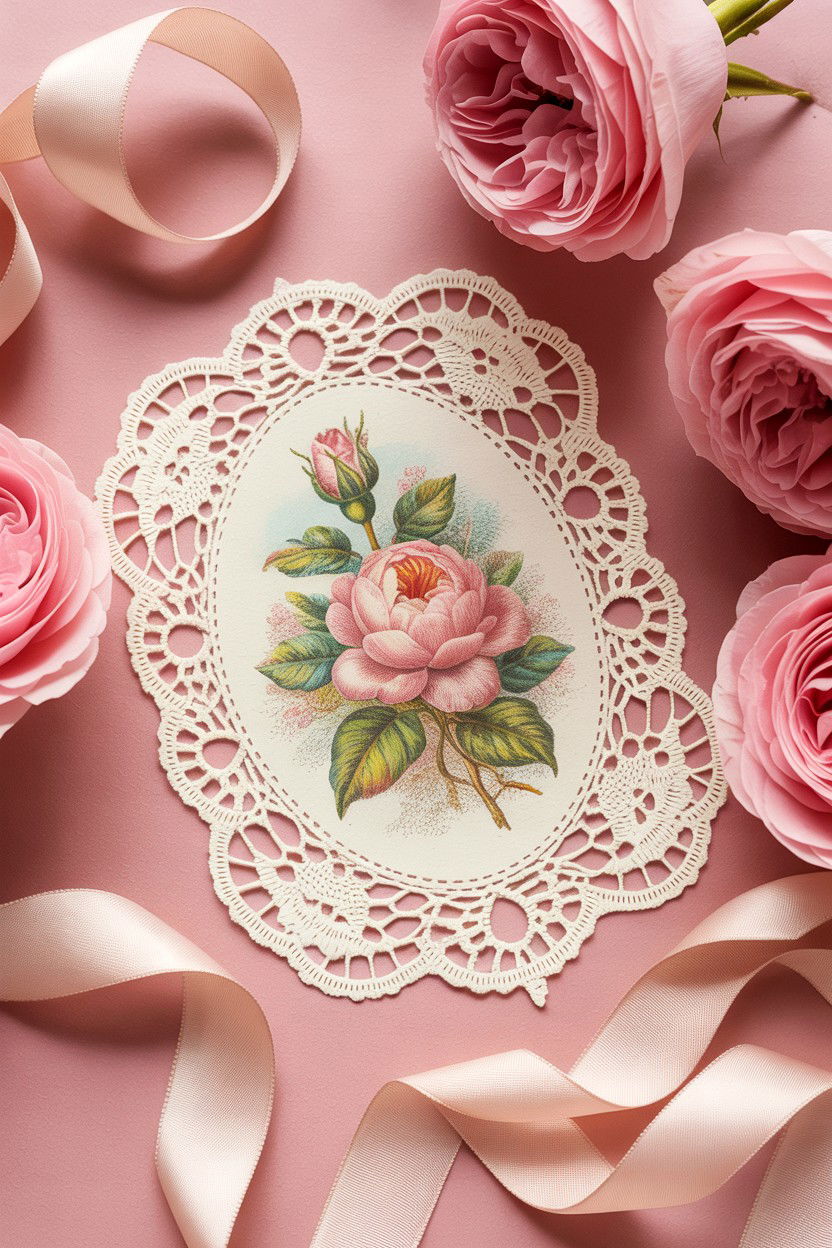
Victorian lace valentines are the epitome of romantic elegance, featuring intricate paper-cut patterns that mimic real fabric lace. These cards often utilized a technique called "paper lace," which was popularized in the mid-19th century by artists like Esther Howland. They frequently incorporate delicate layers, soft pastel colors, and small floral motifs like roses or forget-me-nots. The craftsmanship involved in these antique pieces makes them highly collectible today. When looking for this style, search for layered designs that include silk ribbons or small embossed details. These cards represent a time when Valentine's Day was a formal and deeply sentimental occasion for expressing true devotion.
2. Retro classroom valentine
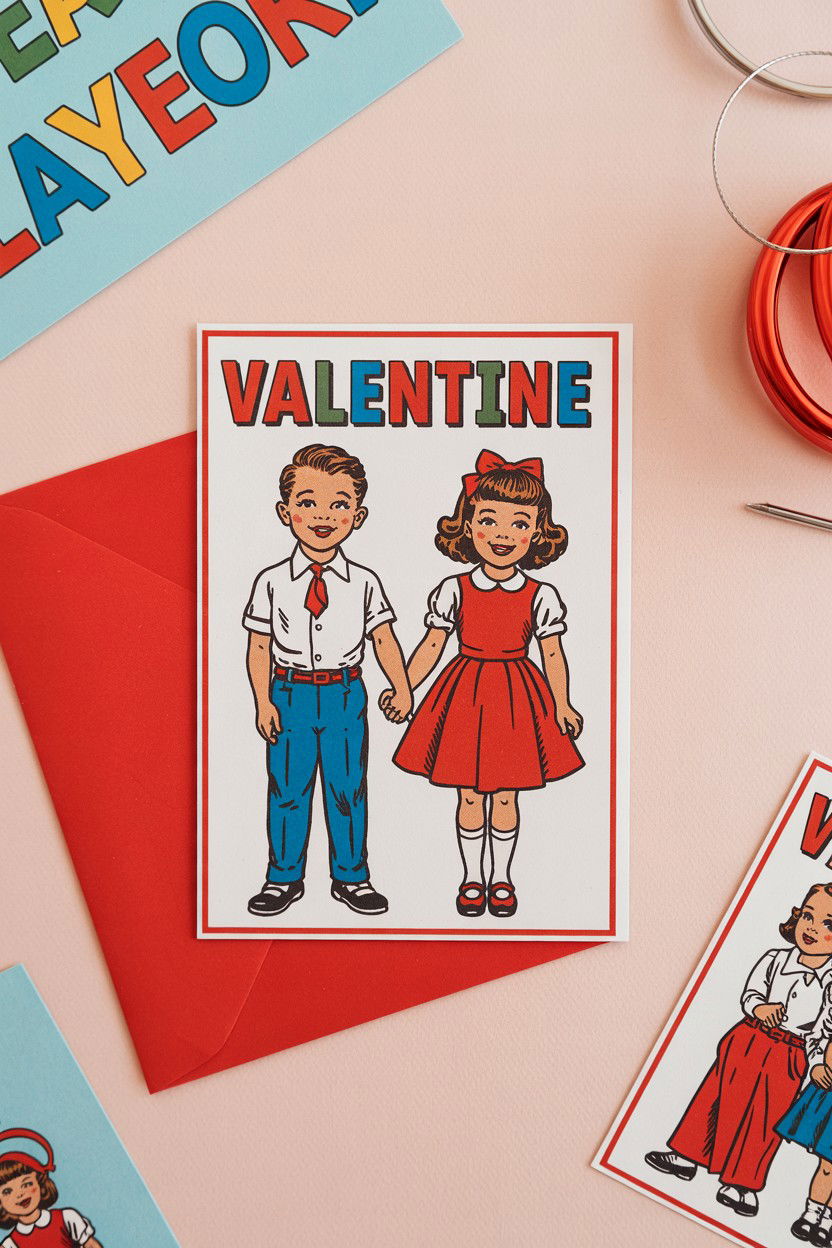
Retro classroom valentines evoke memories of childhood school parties from the 1950s and 1960s. These small, mass-produced cards were designed to be exchanged among classmates and often featured bright, cheerful illustrations of children or animals. They usually included a simple, friendly message and a space to write names. The artwork is characterized by bold outlines and a limited but vibrant color palette. Searching for these cards often leads to nostalgic sets that include perforated edges. They are perfect for those who appreciate a whimsical, innocent aesthetic that focuses on the joy of friendship and the excitement of a school holiday celebration.
3. Art Deco valentine
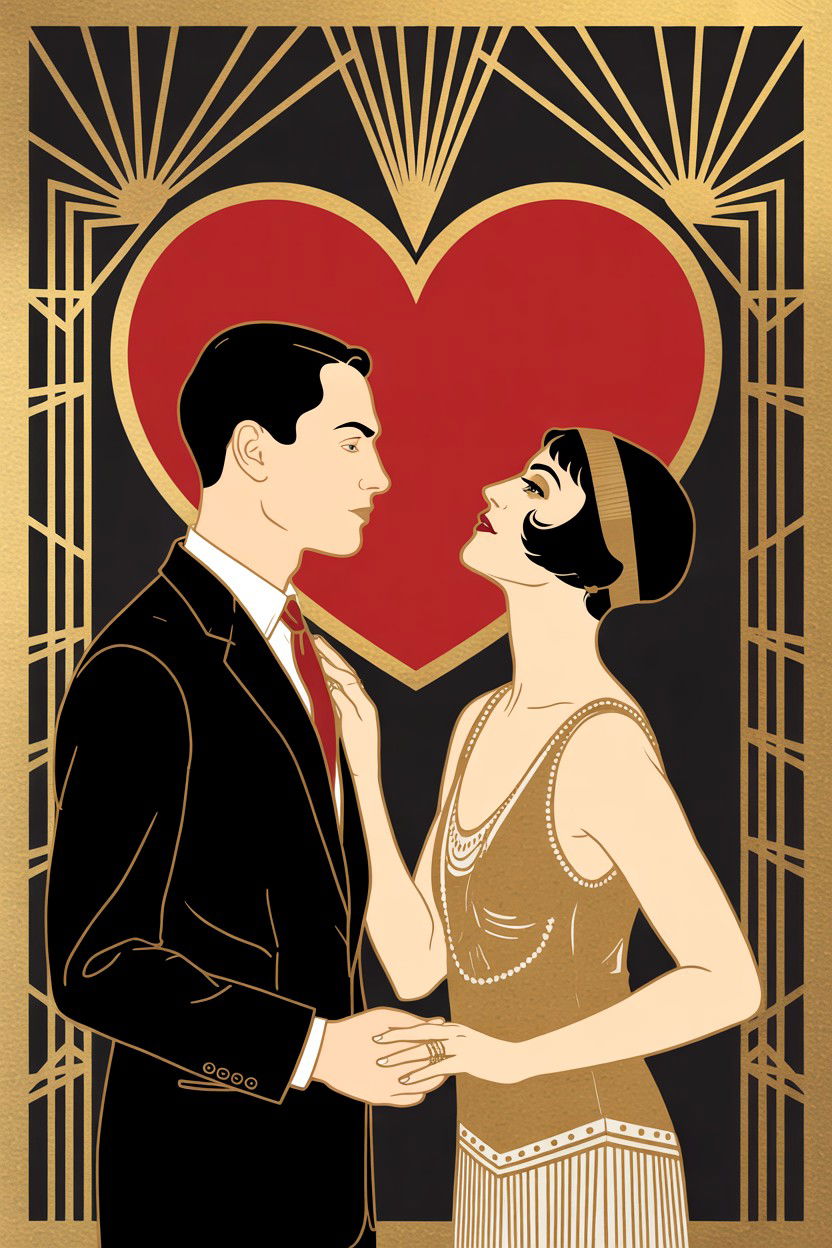
Art Deco valentines reflect the sophisticated and geometric design trends of the 1920s and 1930s. These cards often feature sleek lines, stylized figures, and bold, contrasting colors like black, gold, and deep red. The imagery frequently includes fashionable flappers, elegant couples, or abstract floral patterns that feel modern even today. Unlike the fussy lace of earlier eras, Art Deco designs are streamlined and glamorous. Collectors look for these cards because they represent a significant shift in artistic expression. They are ideal for anyone who loves a vintage look that is both edgy and refined, offering a unique take on romantic stationery.
4. Vintage animal valentine
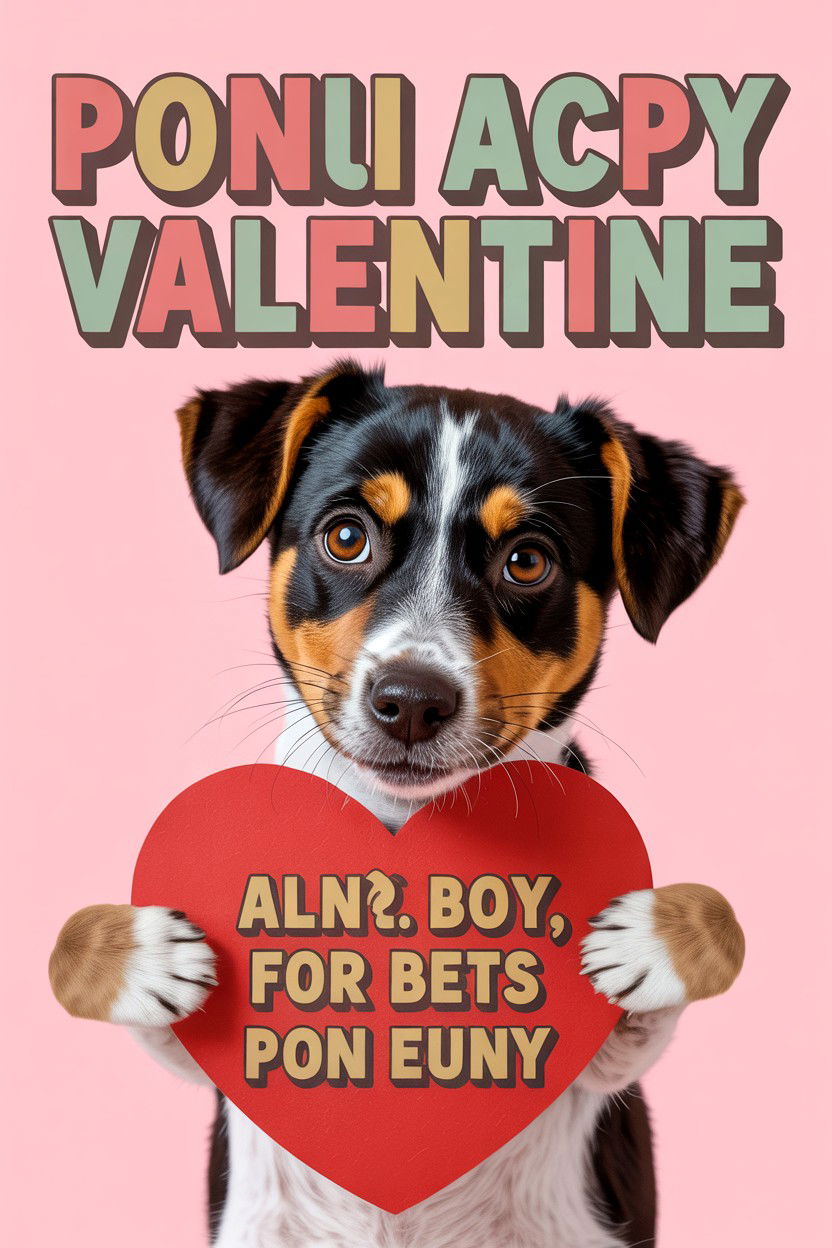
Vintage animal valentines are famous for their adorable illustrations and clever, pun-filled messages. Throughout the mid-20th century, cards featuring puppies, kittens, bears, and owls were incredibly popular. These animals were often depicted doing human activities, such as baking a cake or playing a musical instrument. The puns usually related to the animal, such as "I'm paws-itively yours" or "You're a hoot!" These cards are highly sought after for their kitschy charm and humorous tone. They bring a sense of playfulness to the holiday and are perfect for those who enjoy lighthearted, funny ways to show affection to friends.
5. Antique mechanical valentine
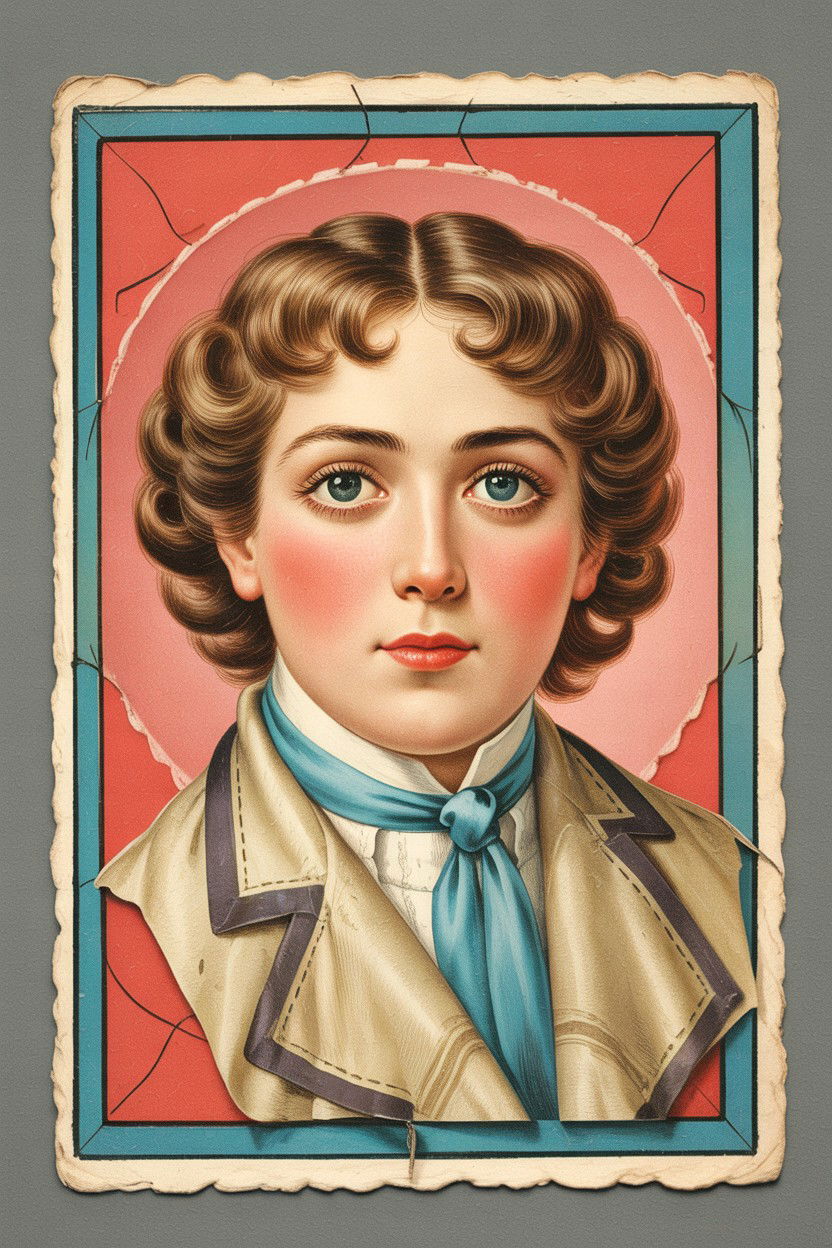
Antique mechanical valentines are fascinating pieces of paper engineering that feature moving parts. By pulling a small tab or turning a wheel, the recipient can make a figure's eyes move, an arm wave, or a hidden message appear. These cards were especially popular in the early 20th century and were often made in Germany. The complexity of the mechanism adds a layer of surprise and delight to the greeting. Searching for mechanical cards reveals a wide variety of themes, from circus performers to romantic couples. They are prized by collectors for their ingenuity and the interactive experience they provide to the viewer.
6. Paper doily valentine
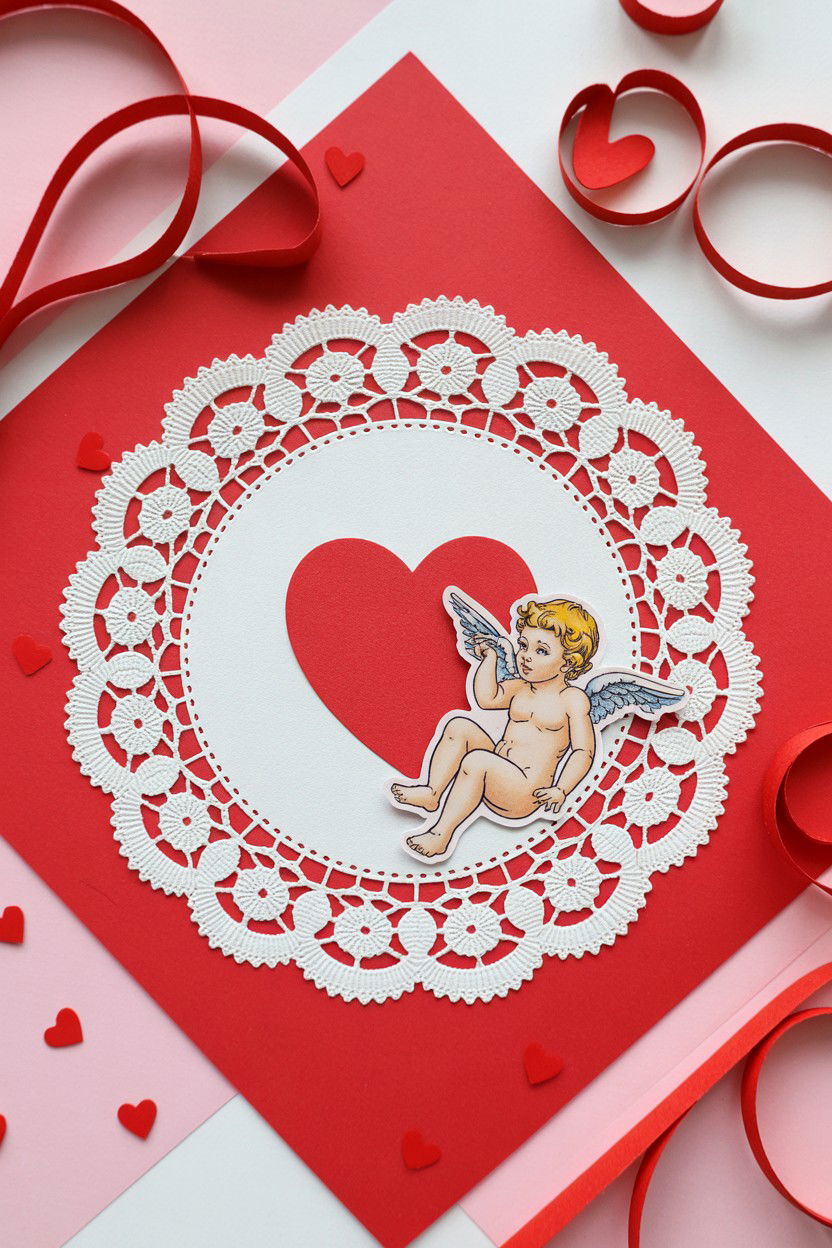
Paper doily valentines are a classic DIY-inspired style that uses circular or heart-shaped paper doilies as a base. These cards have a handmade, cottagecore feel that is very popular for modern vintage-themed crafts. Often, a central image of a cherub or a red heart is pasted onto the center of the white lace doily. This style was common in the early 1900s when people would assemble their own greetings using scraps and household items. The contrast between the crisp white paper lace and the bright red or pink accents creates a timeless look that is easy to replicate for a personal touch.
7. Vintage cupid postcard
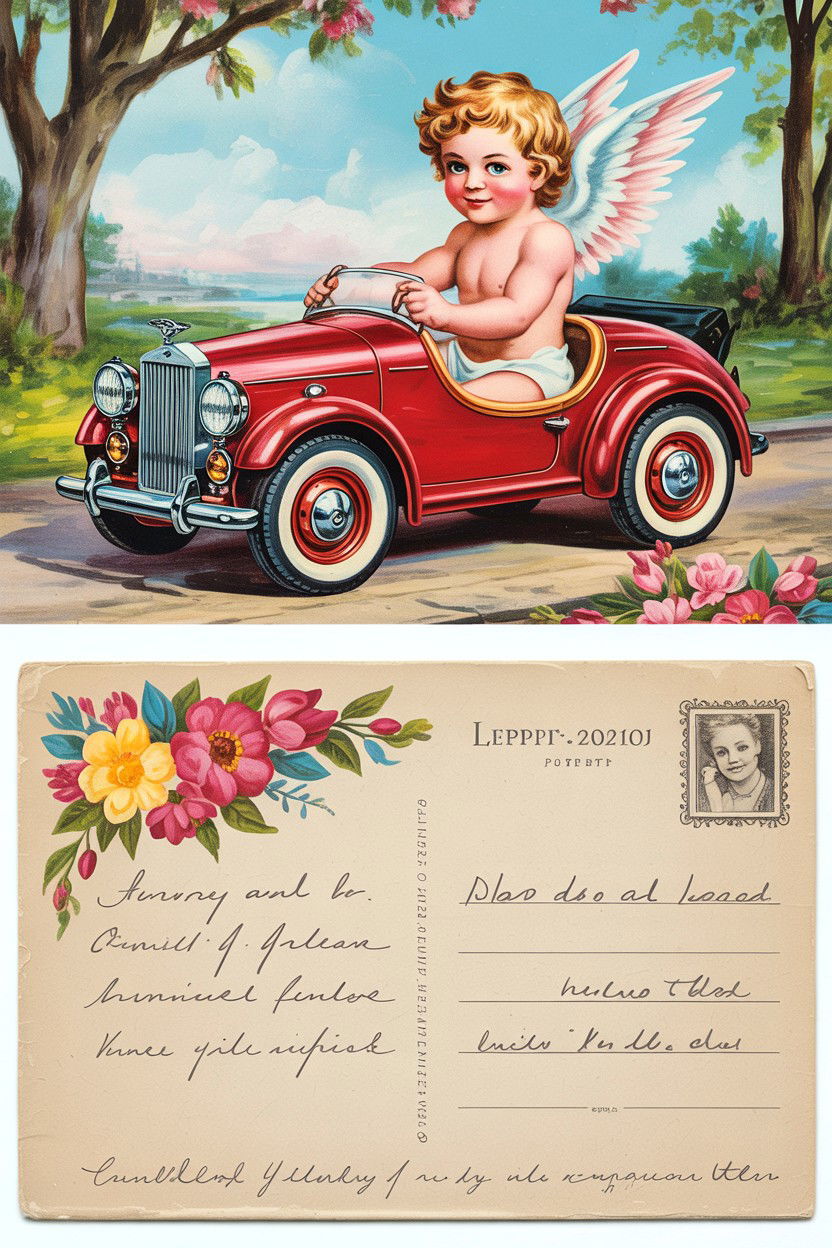
Vintage cupid postcards were a staple of the early 1900s, often featuring the Roman god of love in various playful scenes. These postcards were an affordable way to send a quick greeting through the mail. The illustrations range from mischievous winged toddlers shooting arrows to cupids driving early automobiles or flying airplanes. The artwork is usually soft and painterly, often with embossed details that give the card a physical texture. Searching for these postcards allows you to see how the image of Cupid evolved over the decades. They are perfect for framing as small pieces of art or sending as a nostalgic note.
8. Retro kitsch valentine
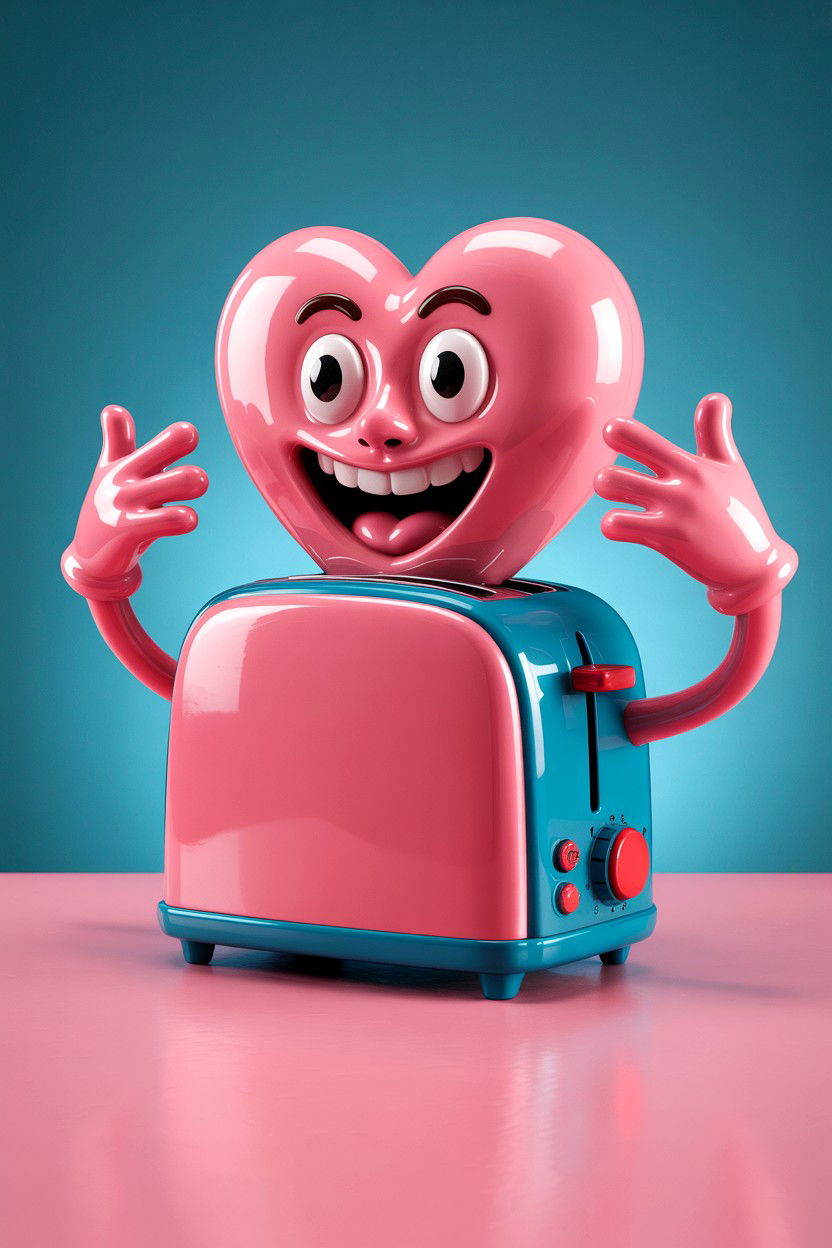
Retro kitsch valentines embrace the "too much" aesthetic of the 1950s and 1960s, featuring bright colors, exaggerated expressions, and quirky themes. These cards often use anthropomorphic objects, like a toaster or a telephone, to deliver a romantic message. The colors are often neon-adjacent or highly saturated, making them stand out in any collection. This style is all about fun and lack of pretension, making it a favorite for those who love mid-century modern decor. The humor is often cheesy but endearing, capturing a specific moment in American pop culture where every day objects were given a personality and a valentine.
9. Mid century valentine
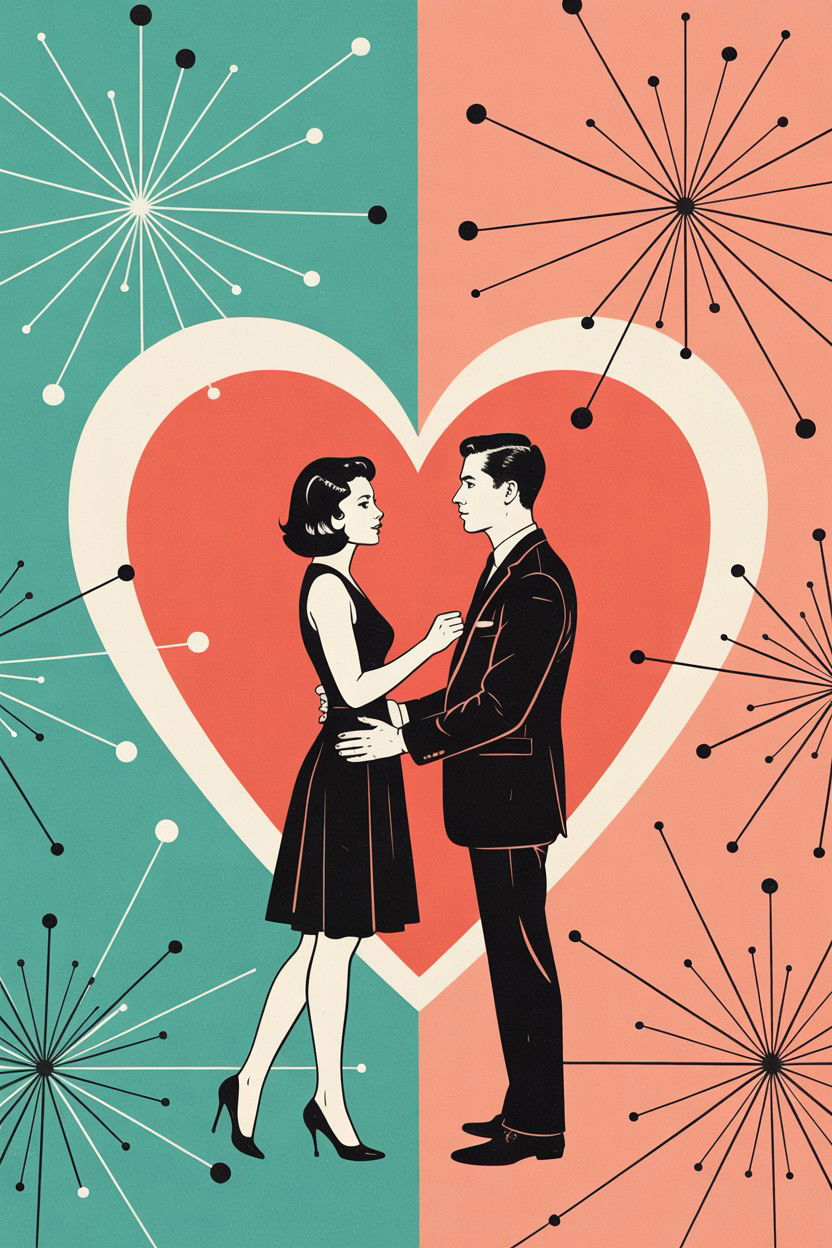
Mid century valentines are characterized by the "Atomic Age" aesthetic, featuring starbursts, boomerangs, and sleek, minimalist shapes. These cards often use a palette of teal, coral, and mustard yellow, which was popular in interior design at the time. The characters are usually drawn with a specific "mod" style, featuring big eyes and stylish outfits. This era moved away from the traditional Victorian ruffles in favor of something more graphic and contemporary. Searching for mid-century designs is great for those who want a vintage look that feels clean and organized. These cards are perfect for anyone who appreciates the intersection of graphic design and romance.
10. 1920s flapper valentine
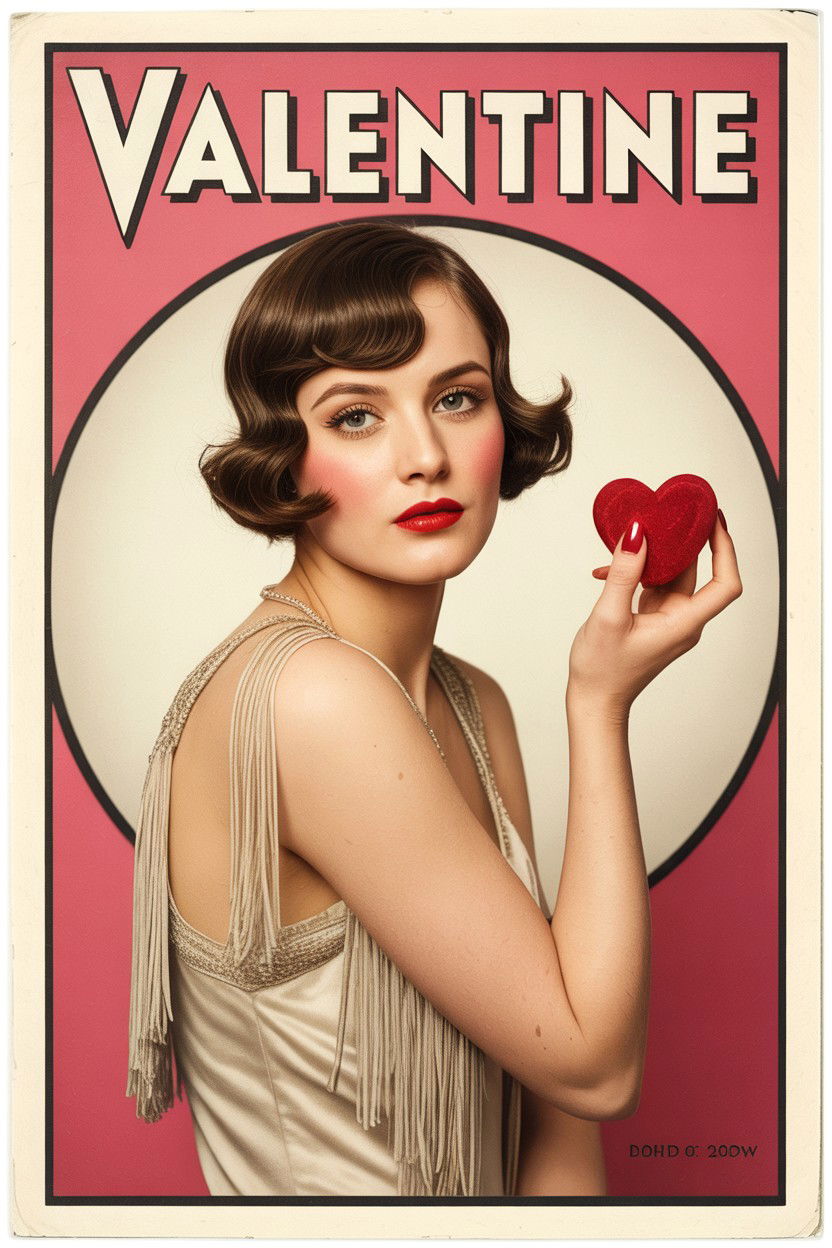
1920s flapper valentines capture the rebellious and energetic spirit of the Jazz Age. These cards often feature women with bobbed hair, short dresses, and long pearl necklaces. The sentiments are usually more bold and flirtatious than the demure cards of the previous century. The artwork reflects the fashion of the time, with an emphasis on movement and style. Many of these cards were printed on high-quality cardstock with vibrant inks. They are a fantastic choice for anyone interested in fashion history or the history of women's liberation, as they show a more modern and independent side of the Valentine's Day tradition.
11. Vintage flower valentine
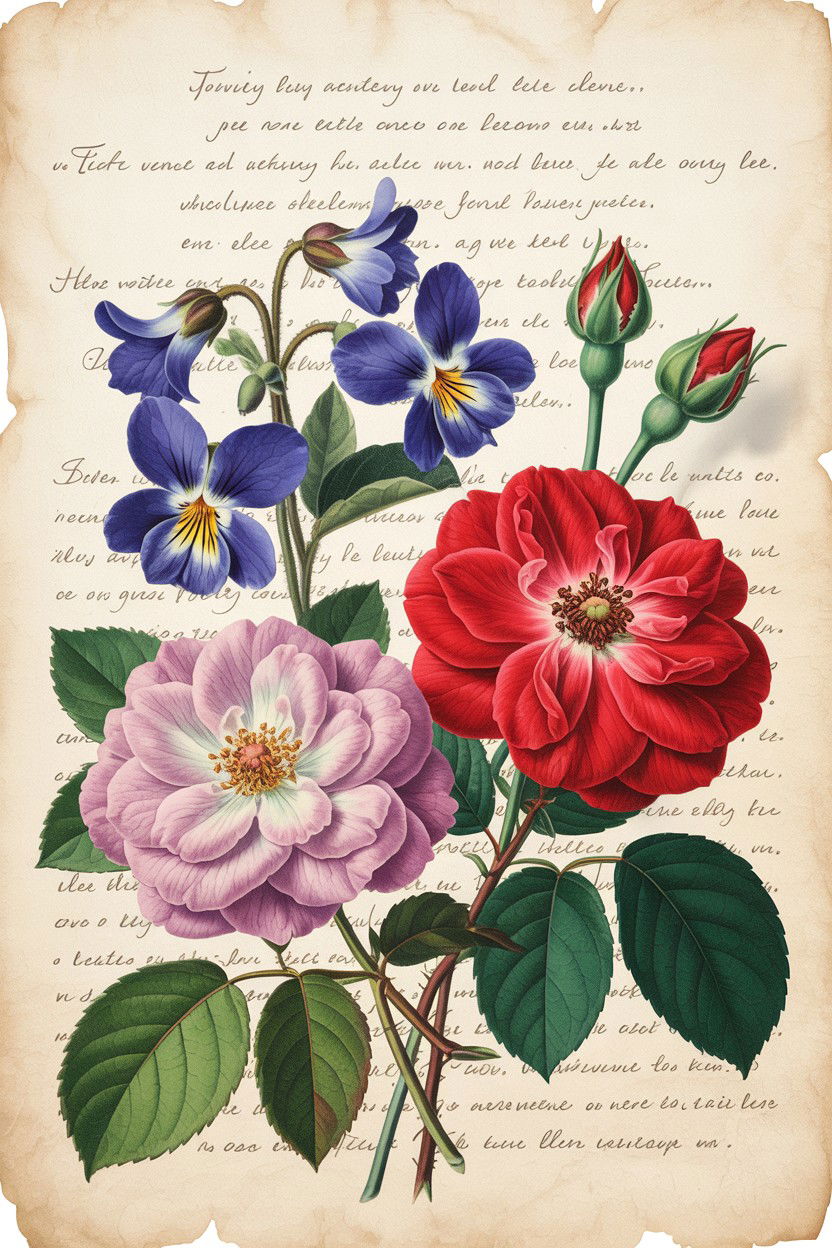
Vintage flower valentines focus on the "language of flowers," where different blooms represent various emotions. Roses for love, violets for faithfulness, and lilies for purity are common motifs found in these designs. These cards often look like botanical illustrations or seed packets from the early 20th century. The colors are usually deep and rich, with a focus on natural beauty rather than cartoonish characters. This style is incredibly versatile and appeals to gardeners and nature lovers alike. Searching for floral-themed vintage cards often reveals beautiful lithographs that have aged gracefully, showing a sophisticated and enduring way to express deep feelings of love.
12. Velvet heart valentine
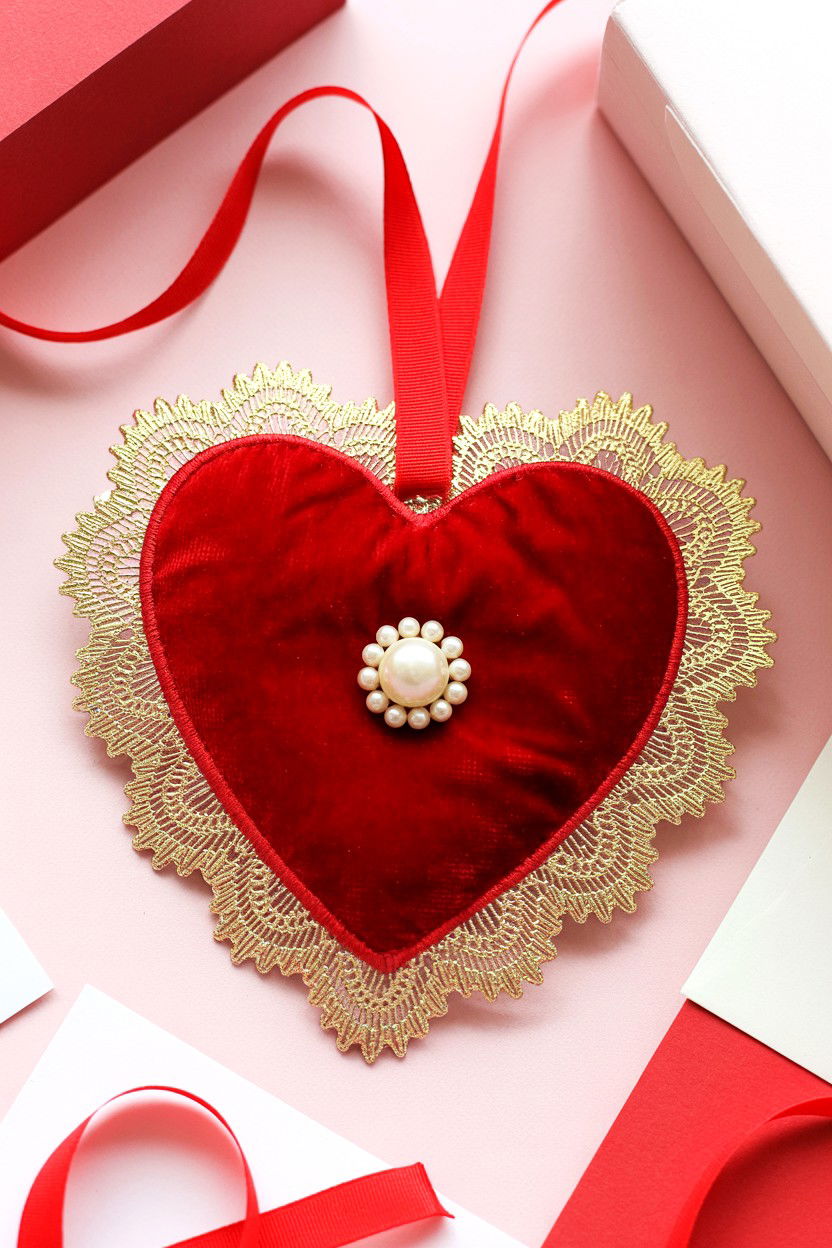
Velvet heart valentines add a tactile element to the holiday, featuring hearts made of actual red velvet fabric or flocked paper that feels like velvet. This style was very popular in the mid-20th century as a "deluxe" card option. The soft, fuzzy texture of the heart provides a nice contrast to the smooth cardstock. These cards often come with elaborate envelopes and may include gold foil accents or small plastic jewels. The use of fabric makes the card feel more like a gift than a simple piece of paper. They are ideal for those who want to give a card that feels special and luxurious.

13. Retro space valentine
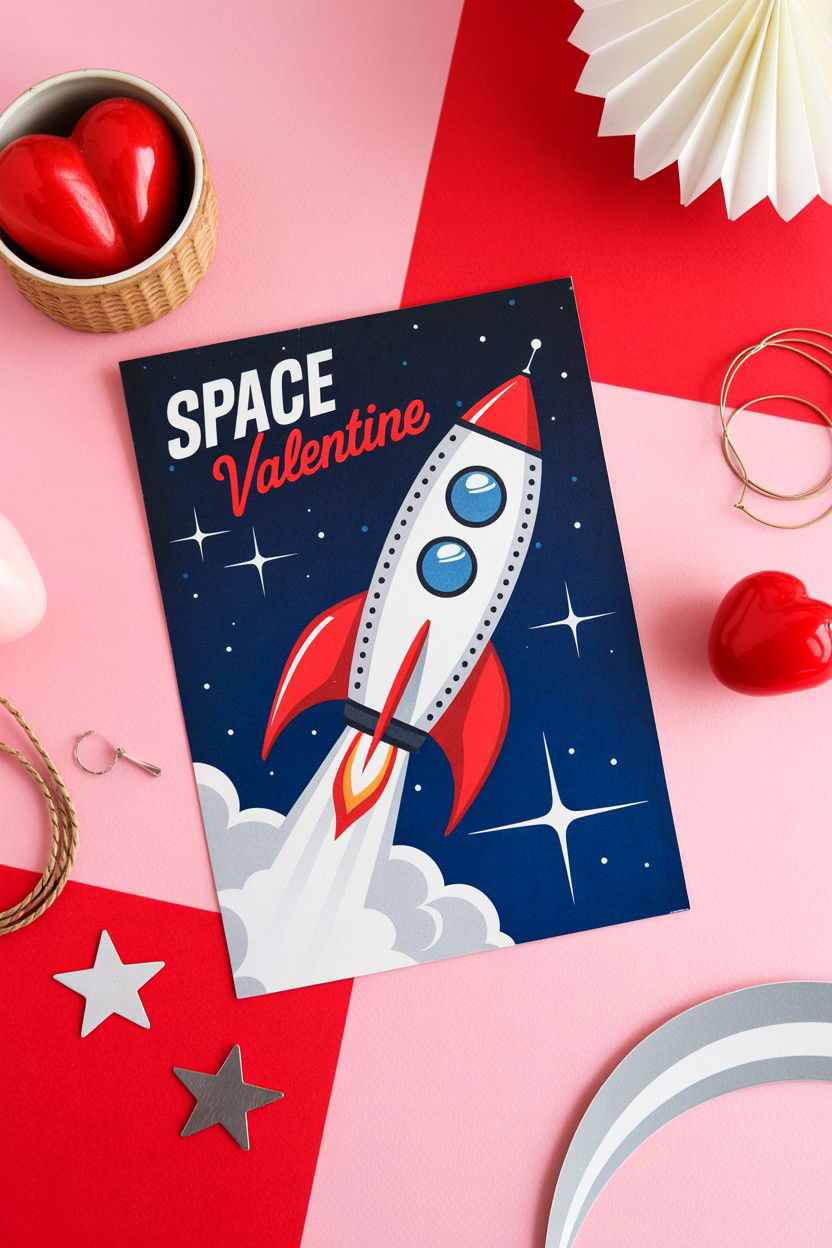
Retro space valentines emerged during the Space Race of the 1950s and 1960s, featuring rockets, astronauts, and alien planets. These cards often use puns like "You're out of this world" or "I've got a crush on you, Valentine." The illustrations are typically very colorful, with a futuristic look that is now considered "retro-future." This niche style is perfect for science fiction fans or those who enjoy the optimistic, adventurous spirit of the mid-century era. Searching for space-themed valentines often brings up very creative and unique designs that stray far from the traditional hearts and flowers, offering a fun and imaginative alternative.
14. Vintage circus valentine
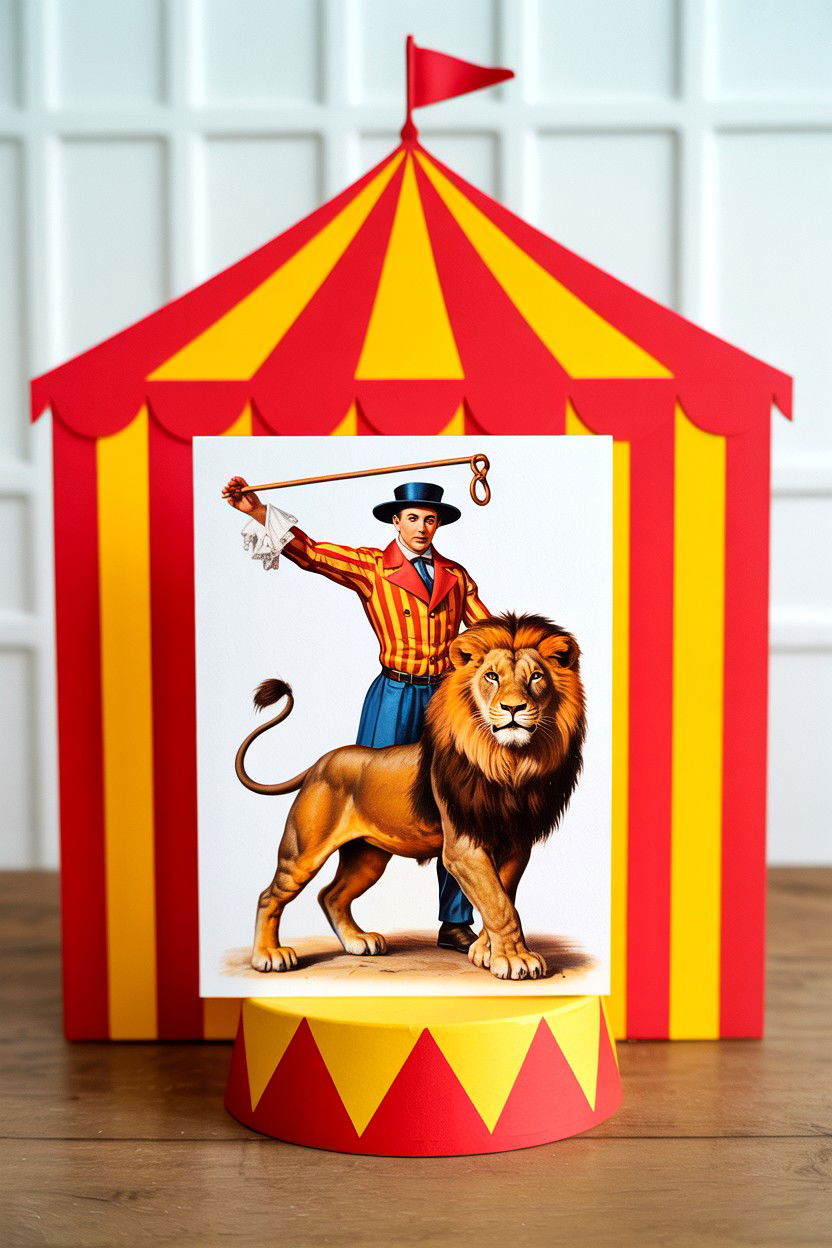
Vintage circus valentines feature vibrant illustrations of lions, elephants, clowns, and acrobats. These cards were popular for children and often used the circus theme to create fun puns, such as "I'm wild about you" or "You're the star of the show." The colors are usually very primary and bright, reflecting the excitement of a big top performance. Many of these cards were designed as stand-up displays or fold-out scenes, making them great for decorating a shelf or desk. This style captures the wonder and spectacle of the old-fashioned circus, bringing a sense of joy and entertainment to the Valentine's Day exchange.
15. Victorian scrap valentine
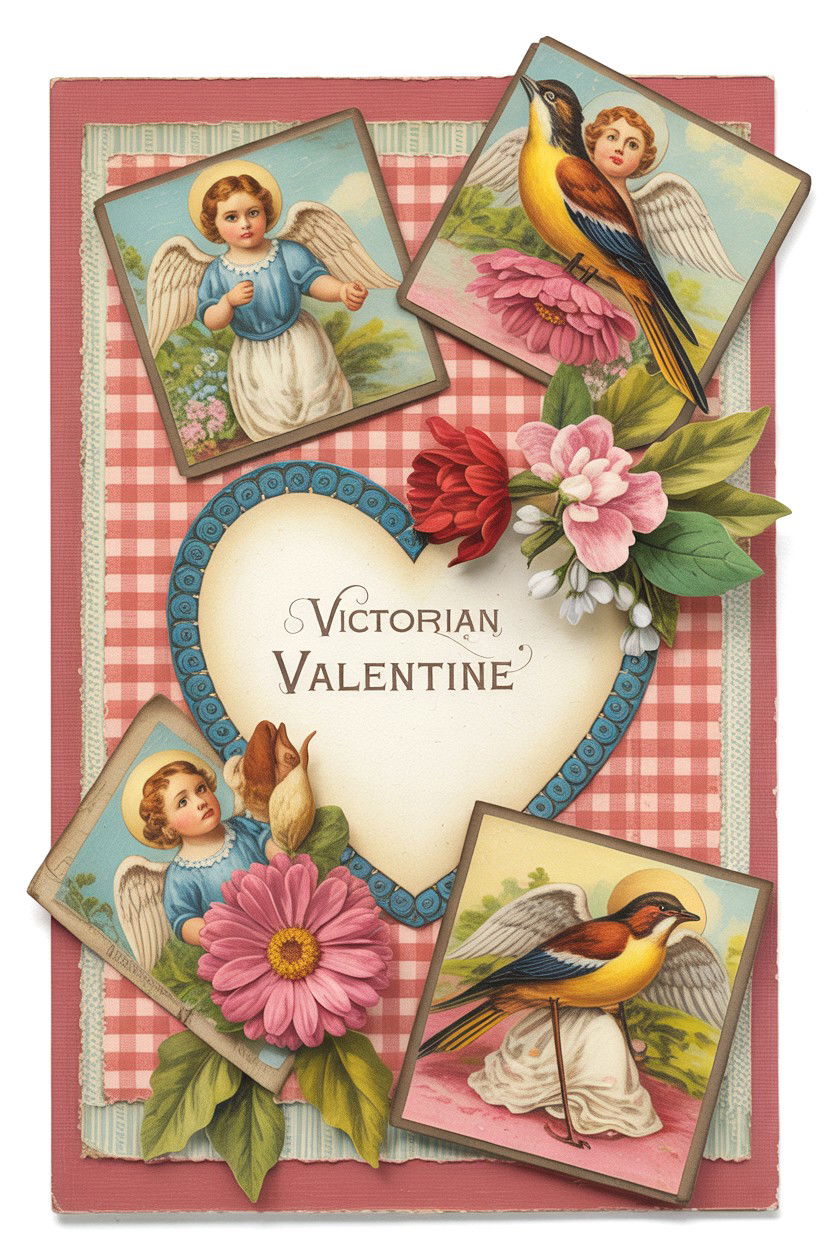
Victorian scrap valentines were made using "scraps," which were small, colorful die-cut images sold in sheets for scrapbooking. People would cut out these images of angels, birds, and flowers and paste them onto cards to create custom designs. This resulted in very textured and layered cards that often felt like miniature collages. The imagery is typically very romantic and detailed, with a heavy emphasis on symbolism. Because they were often handmade, no two scrap valentines are exactly alike. They are a wonderful inspiration for modern crafters who enjoy the "junk journal" aesthetic and want to create something truly one-of-a-kind.
16. 1940s wartime valentine
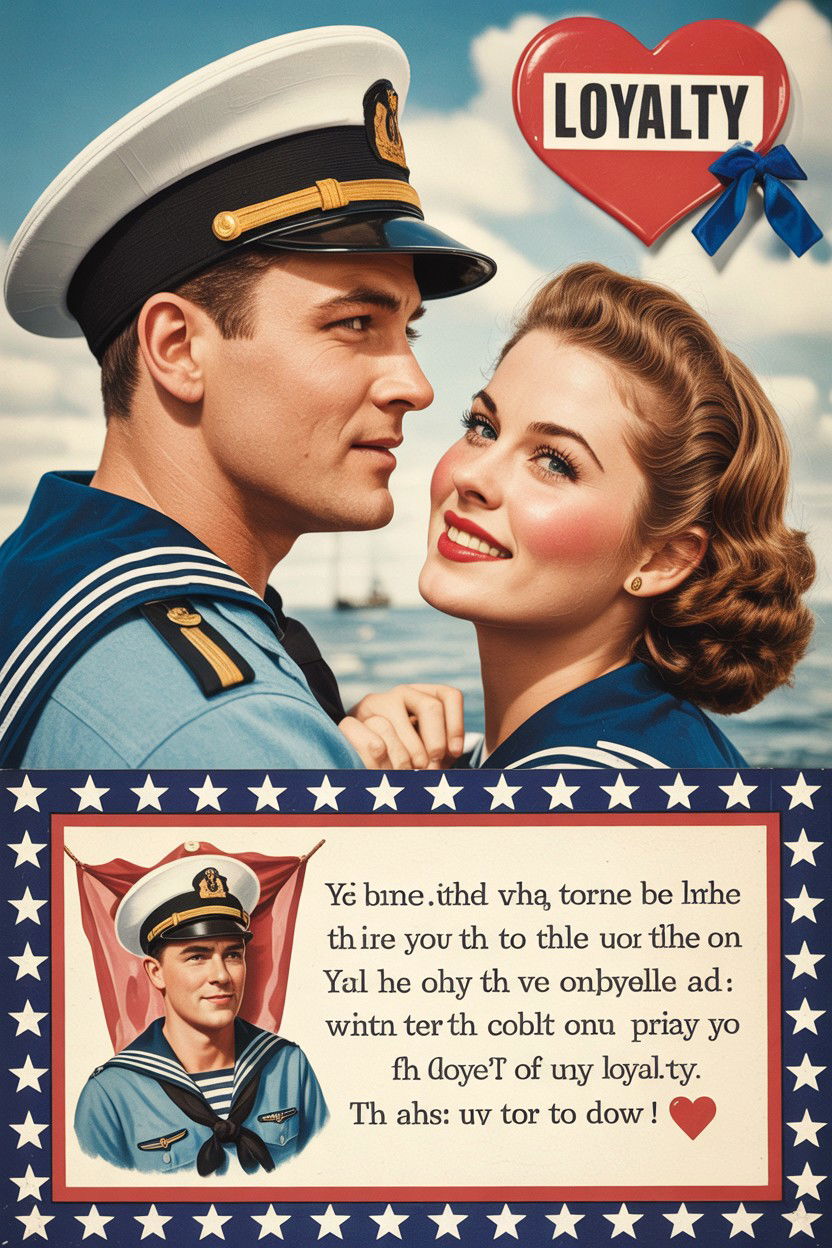
1940s wartime valentines often featured patriotic themes and messages of longing and loyalty. During World War II, many cards were designed for soldiers to send home or for loved ones to send to the front lines. These cards frequently depicted sailors, soldiers, and nurses, often accompanied by American flags or red, white, and blue color schemes. The tone is usually more serious and heartfelt, reflecting the reality of separation during the war. Searching for these cards provides a moving look at how love persevered during difficult times. They are perfect for history buffs or those who appreciate a more sentimental and meaningful card.

17. Vintage cowboy valentine
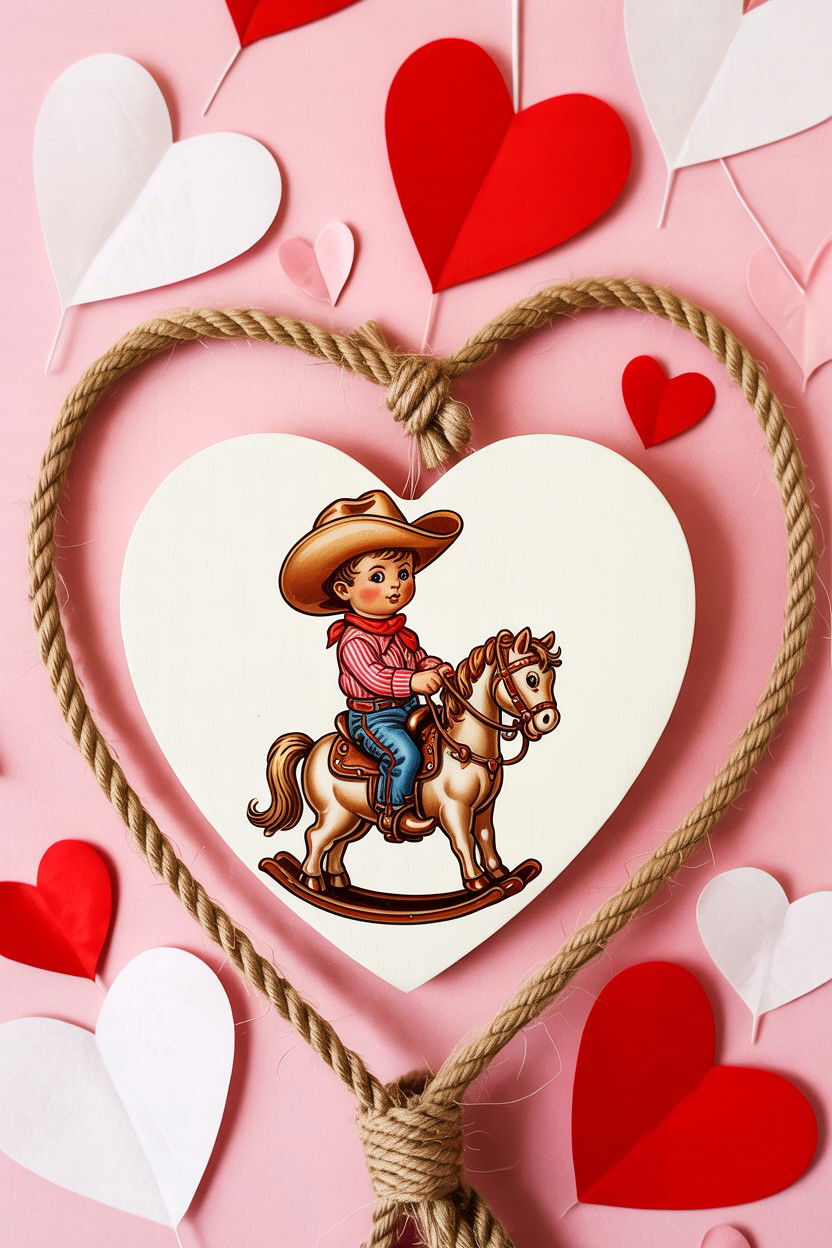
Vintage cowboy valentines were a huge trend in the 1950s, fueled by the popularity of Western movies and television shows. These cards feature little cowboys and cowgirls on horses, often with lassos or boots. The puns are usually Western-themed, such as "I'm roping you in for my Valentine" or "I'm wild about you, partner." The artwork is often kitschy and cute, with a distinct Americana feel. This style is great for those who love retro Western decor or for kids who enjoy playing cowboy. They represent a specific era of American childhood where the frontier spirit was a major part of popular culture.
18. Retro food valentine
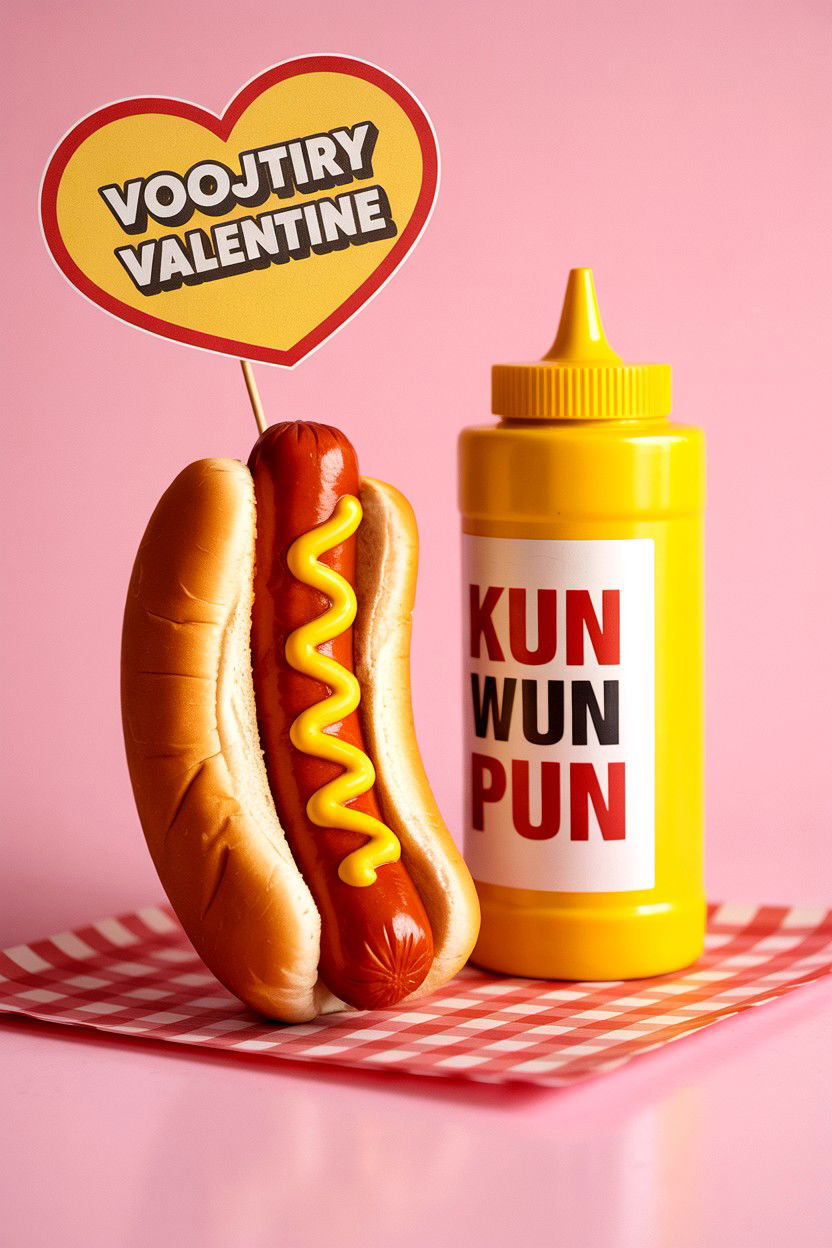
Retro food valentines use anthropomorphic fruits, vegetables, and snacks to deliver sweet messages. You might see a smiling hot dog saying "Let's be frank" or a pair of peas in a pod. This style was very popular in the 1960s and often featured bright, pop-art inspired colors. The simplicity of the designs makes them very appealing and easy to read. They are perfect for foodies or for anyone who enjoys a good, silly pun. Searching for food-themed valentines often leads to some of the most creative and humorous cards from the mid-century period, showing how even everyday items can be romantic.
19. Antique silhouette valentine
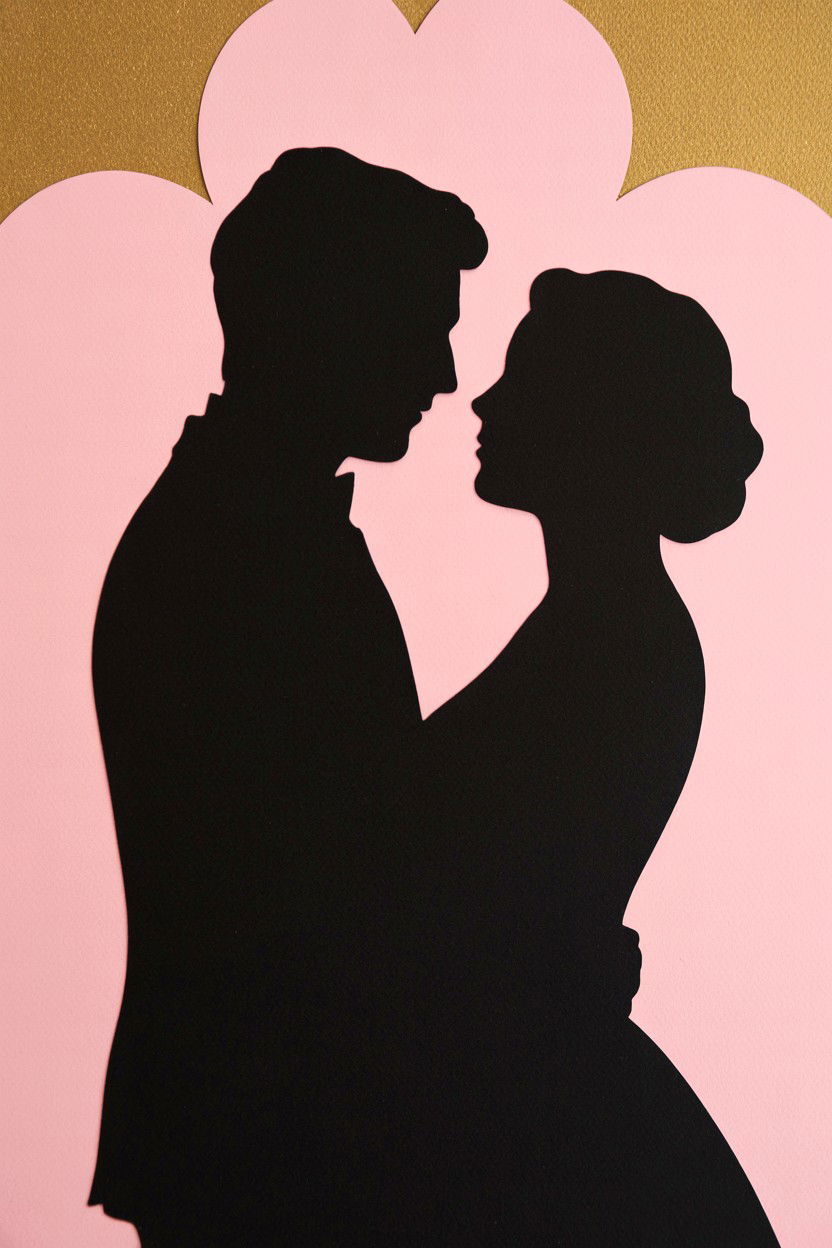
Antique silhouette valentines feature black paper-cut profiles or printed black figures against a light background, usually pink or white. This style was very popular in the late 18th and early 19th centuries before photography became common. The designs are often framed by delicate floral borders or gold foil. There is something very mysterious and elegant about the silhouette style, as it focuses on the shape and gesture of the figures rather than their facial expressions. These cards are perfect for those who love a more traditional, classic look that feels like it belongs in a Jane Austen novel. They are timeless and very sophisticated.
20. Vintage bird valentine
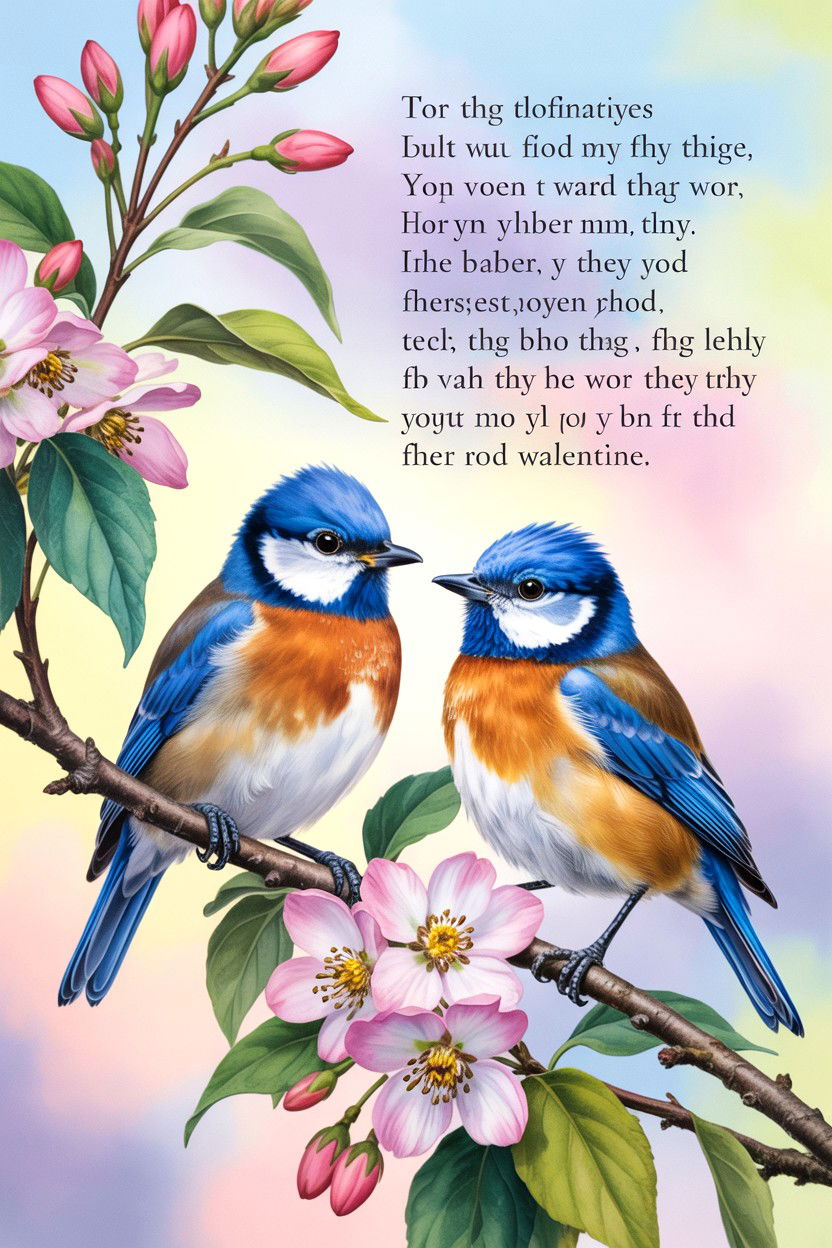
Vintage bird valentines often feature pairs of bluebirds, doves, or swans, which have long been symbols of love and fidelity. These cards are usually very soft and pretty, with pastel colors and floral accents. Bluebirds, in particular, were a very popular motif in the mid-20th century as symbols of happiness. The artwork is often very detailed, showing the birds building a nest or sharing a branch. This style is perfect for bird watchers or those who prefer a more natural and peaceful aesthetic for their Valentine's Day greetings. They offer a gentle and sweet way to express affection to a loved one.
21. Retro nautical valentine
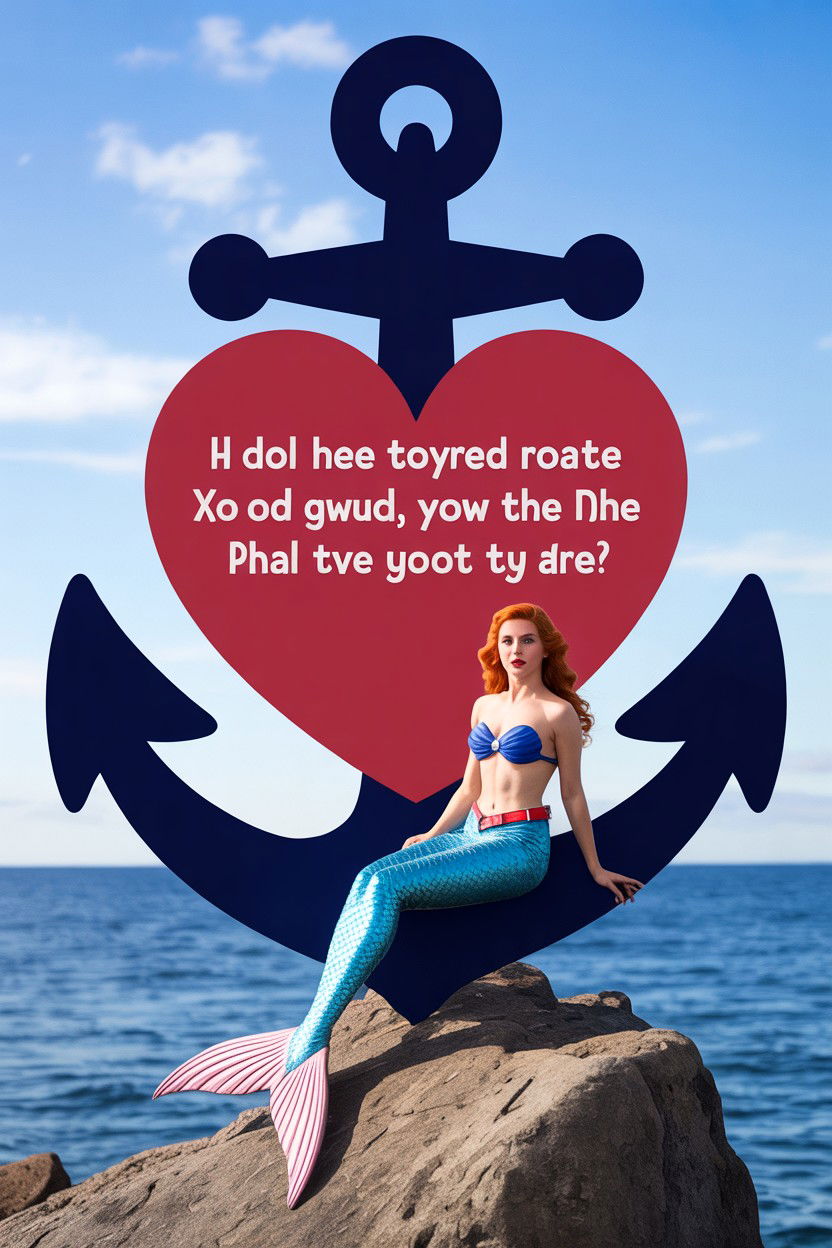
Retro nautical valentines feature sailors, mermaids, and ships, often using the sea as a metaphor for love. You might see a card with a sailor saying "I'm anchored to you" or a mermaid with the message "You're a great catch!" The color palette usually includes navy blue, white, and red, giving it a crisp and clean look. This style was popular in the 1940s and 1950s and often had a bit of a "pin-up" or adventurous feel. Searching for nautical valentines is great for those who live by the coast or for anyone who loves the romanticism of the open ocean and maritime history.
22. Vintage die cut valentine
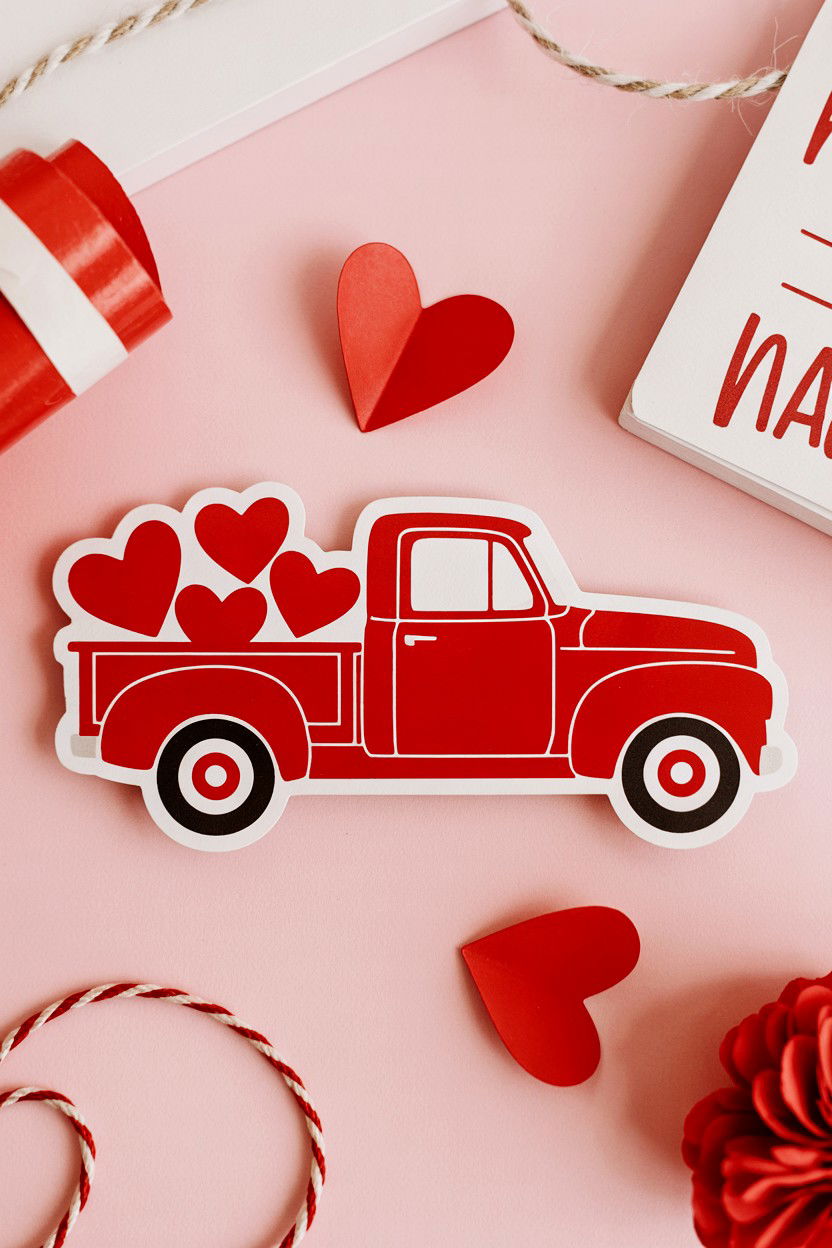
Vintage die cut valentines are cards that are cut into specific shapes rather than being a standard rectangle. These shapes could be anything from a heart to a puppy, a car, or even a bouquet of flowers. The die-cutting process allows for more interesting and dynamic designs that stand out when displayed. These were very popular in the early to mid-20th century and were often made of sturdy cardboard so they could stand up on their own. The lack of a fold makes them feel more like a small piece of decorative art. They are highly collectible and look great when grouped together in a display.
23. Victorian fan valentine
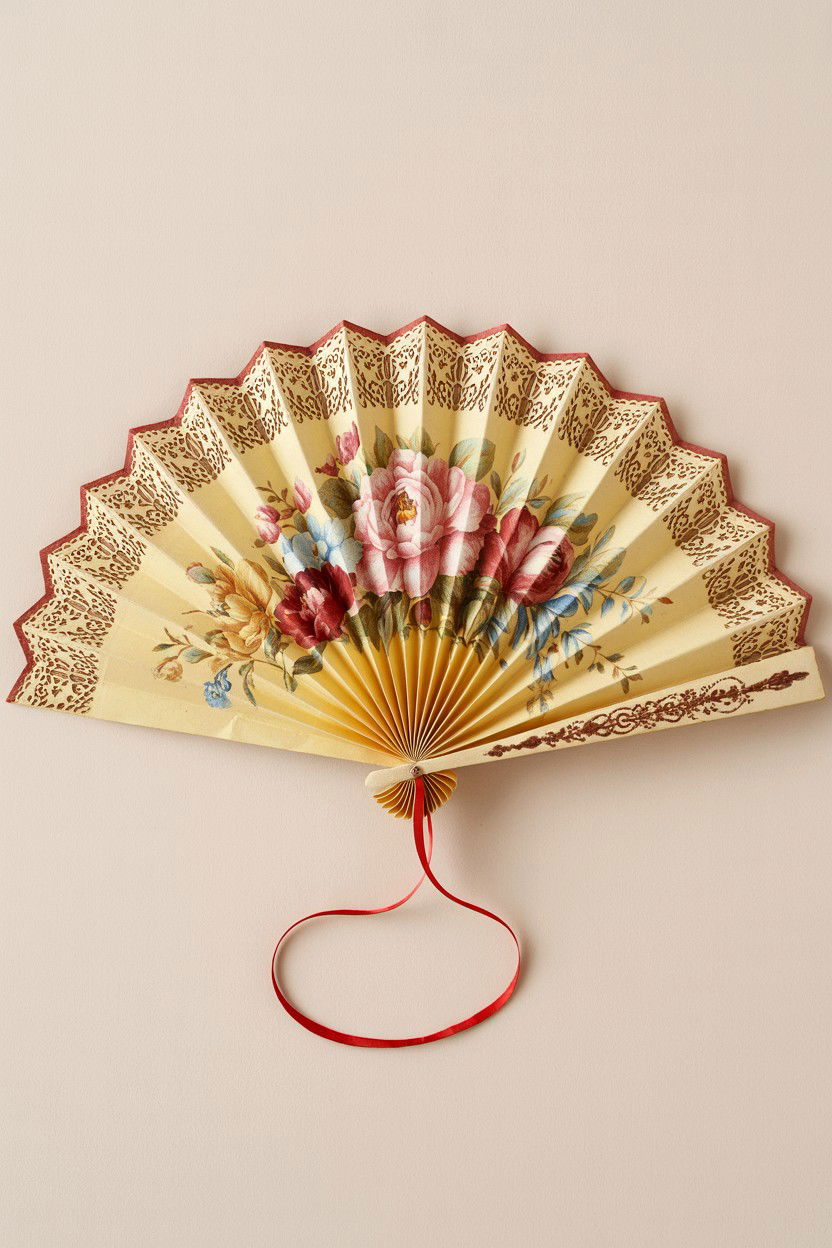
Victorian fan valentines are unique cards that unfold or are shaped like a hand fan. In the Victorian era, fans were used to communicate secret messages in social settings, making them a perfect symbol for a romantic holiday. These cards are often highly decorated with lace, flowers, and small portraits. Some even have actual moving parts that allow the fan to open and close. This style is very feminine and ornate, reflecting the elaborate social customs of the 19th century. They are perfect for collectors who appreciate unusual formats and the rich history of romantic symbolism and secret communication during the Victorian period.
24. Retro school valentine
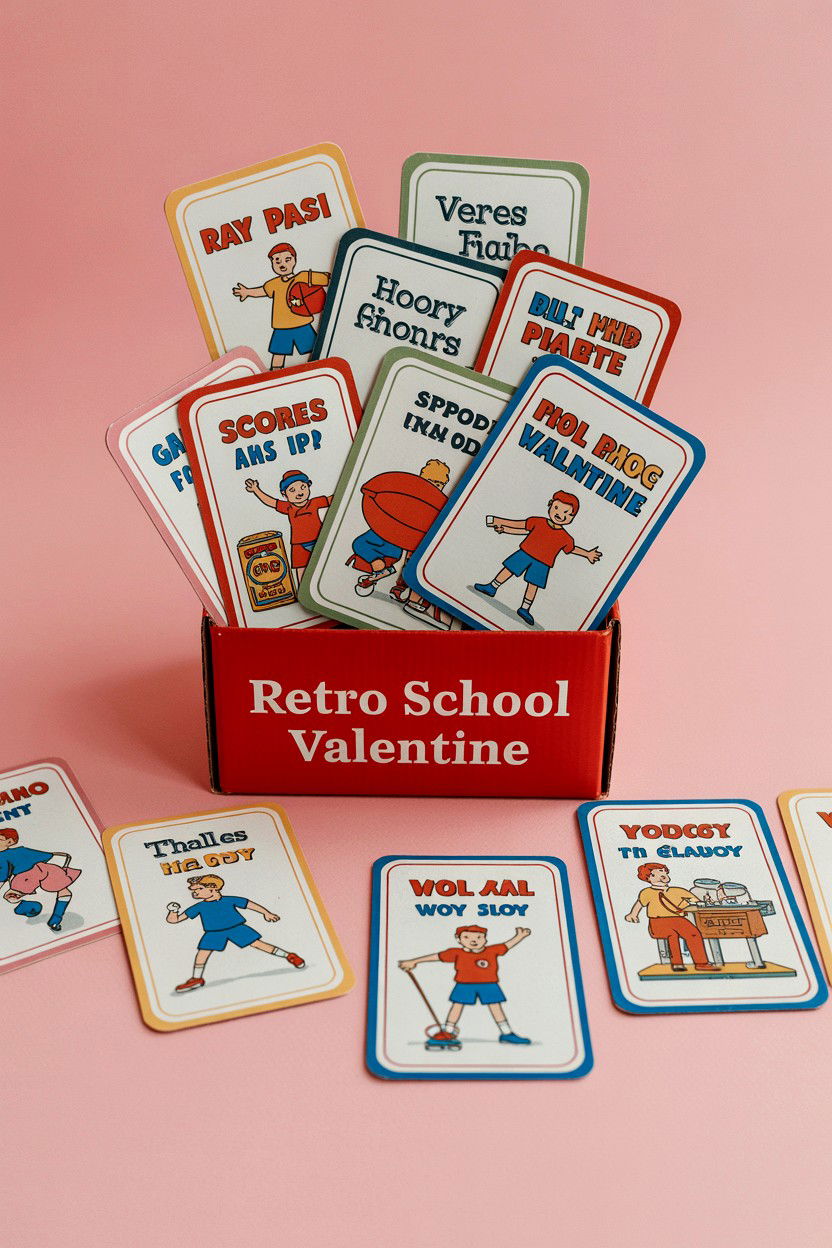
Retro school valentines are specifically the types of cards that were sold in large boxes for children to give to their entire class. These boxes often featured a variety of designs, ensuring that every student got something a little different. The artwork is usually very simple and cheerful, focusing on themes like sports, hobbies, or cute animals. These cards are a great way to see what was popular with children during different decades, from hula hoops to space travel. They are perfect for teachers or parents who want to bring a bit of nostalgic fun to a modern classroom Valentine's Day party.
25. Gold embossed valentine
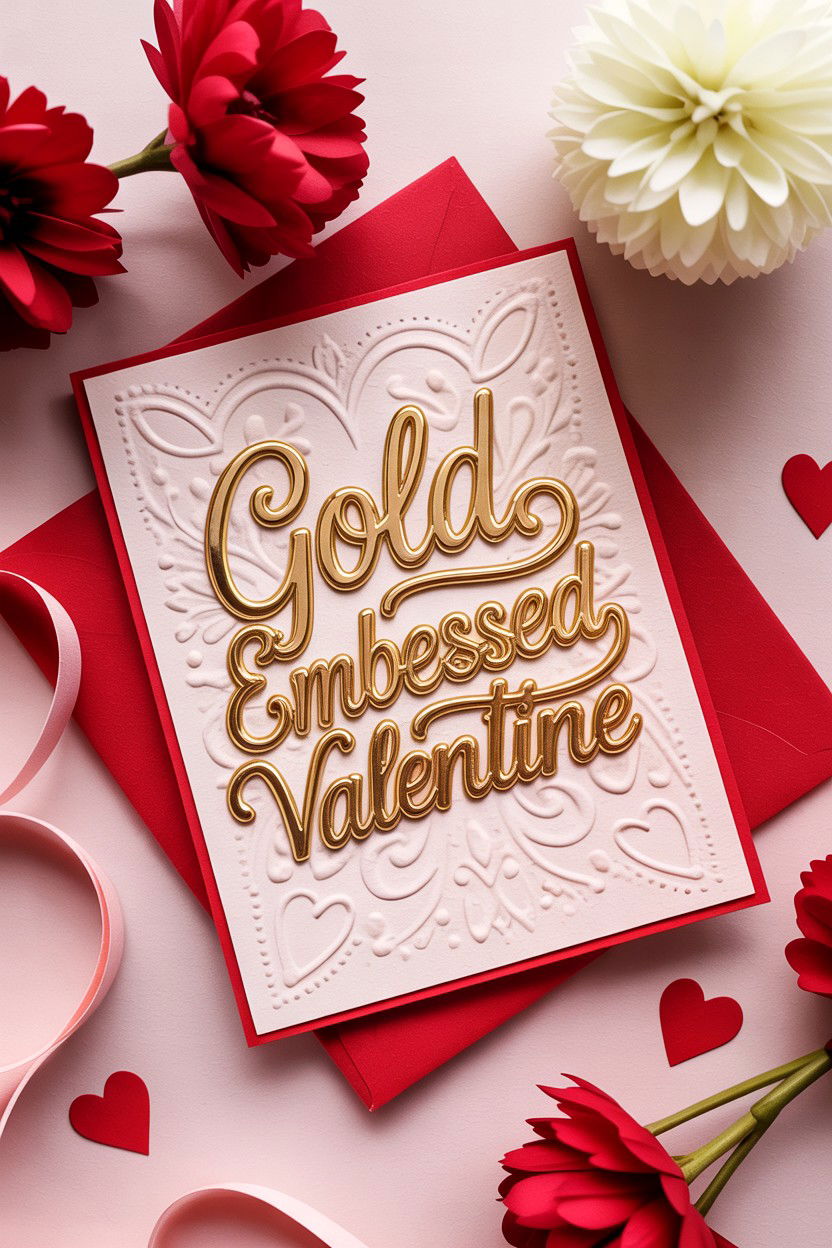
Gold embossed valentines use raised metallic details to create a sense of luxury and importance. The embossing process creates a physical texture that you can feel with your fingers, often highlighting borders, hearts, or script lettering. This style was common in high-end cards from the late 19th and early 20th centuries. The gold adds a touch of shine and elegance that makes the card feel very formal. These cards are often paired with high-quality paper and classic romantic imagery like cupids or roses. They are ideal for someone who wants to send a vintage-style card that feels truly special, elegant, and timelessly romantic.
Conclusion:
Vintage Valentine's Day cards are more than just pieces of old paper; they are tangible connections to the history of human emotion and artistic design. By exploring these twenty-five different styles, from the delicate Victorian lace to the bold mid-century puns, we can find inspiration for our own modern celebrations. Whether you choose to collect authentic antiques or create your own vintage-inspired designs, these cards remind us of the enduring power of a handwritten message. They encourage us to express our love and appreciation in ways that are thoughtful, creative, and beautiful. May your next Valentine's Day be filled with the timeless charm of these nostalgic treasures.
Related posts:




Leave a Reply