
A wood ceiling can dramatically transform a kitchen, turning it from a purely functional space into the warm, beating heart of the home. This design element introduces texture, natural beauty, and an undeniable sense of coziness that other materials struggle to replicate. Whether you envision a rustic farmhouse retreat, a sleek modern hub, or a classic, timeless gathering place, incorporating wood overhead adds a layer of architectural interest and character. From reclaimed planks to sophisticated beams, the right wood ceiling kitchen idea can define your style and create a welcoming ambiance for cooking, dining, and making memories.
1. Reclaimed Wood Ceiling Kitchen for Rustic Charm
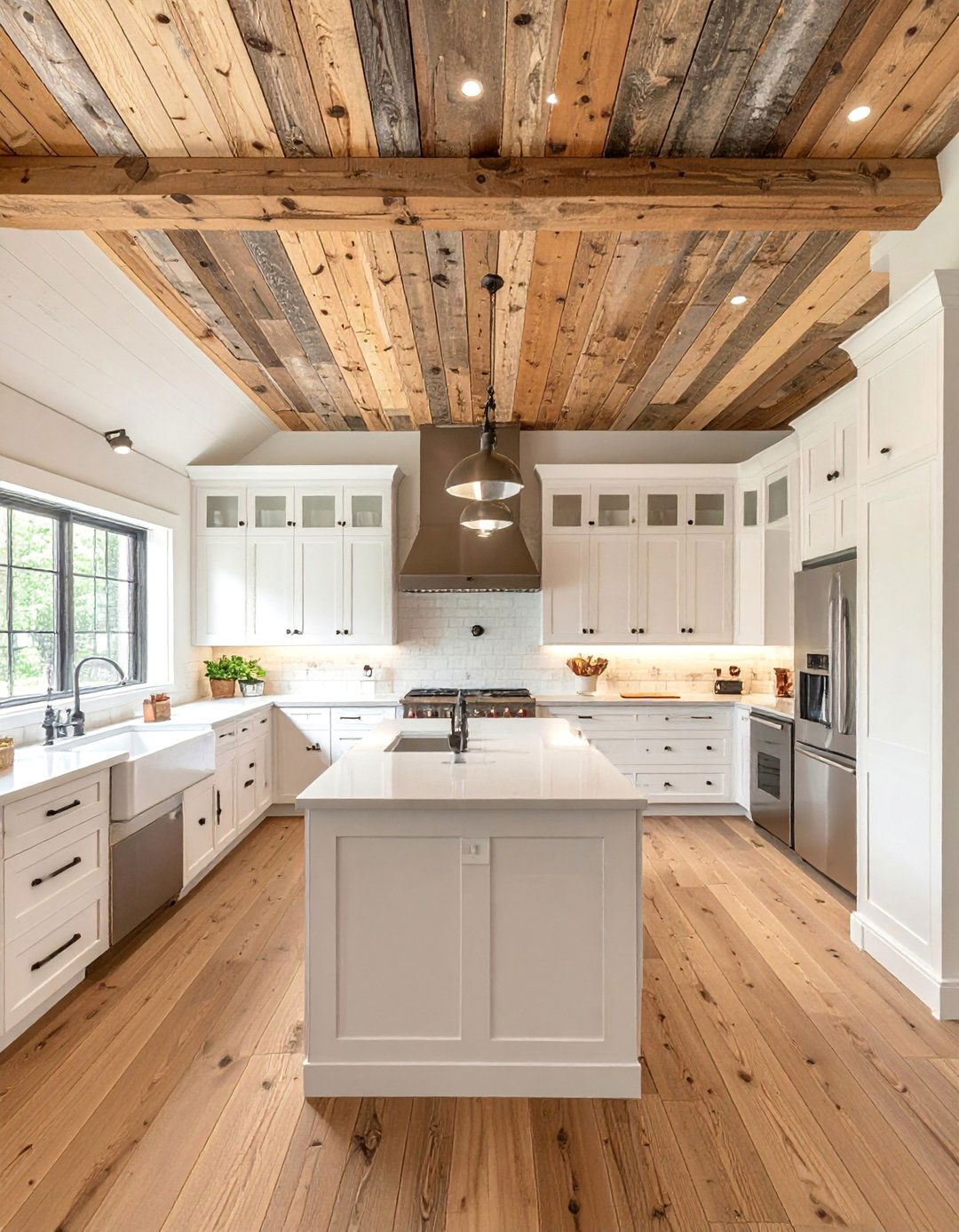
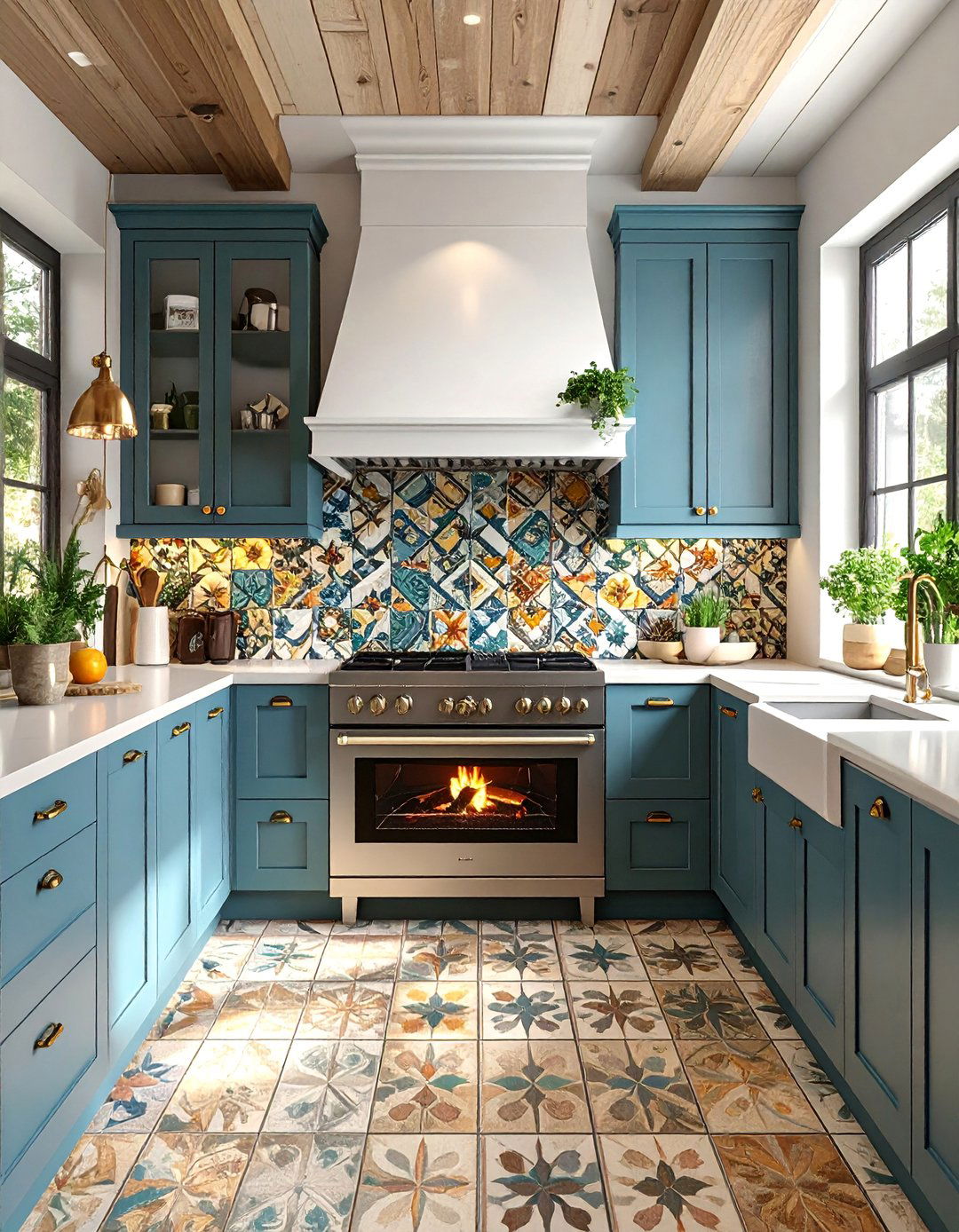
Bringing a sense of history and character into your culinary space, a reclaimed wood ceiling kitchen is unmatched for its rustic appeal. These aged planks, salvaged from old barns or historic structures, feature unique patinas, nail holes, and saw marks that tell a story. This choice is perfect for farmhouse, industrial, or eclectic designs, instantly adding warmth and texture. Paired with modern white cabinets and stainless steel appliances, the ceiling becomes a stunning focal point, creating a beautiful contrast between old and new. The inherent imperfections in the wood ensure that no two ceilings are exactly alike, giving your kitchen a truly one-of-a-kind, lived-in feel.
2. Tongue and Groove Wood Ceiling Kitchen for a Seamless Look
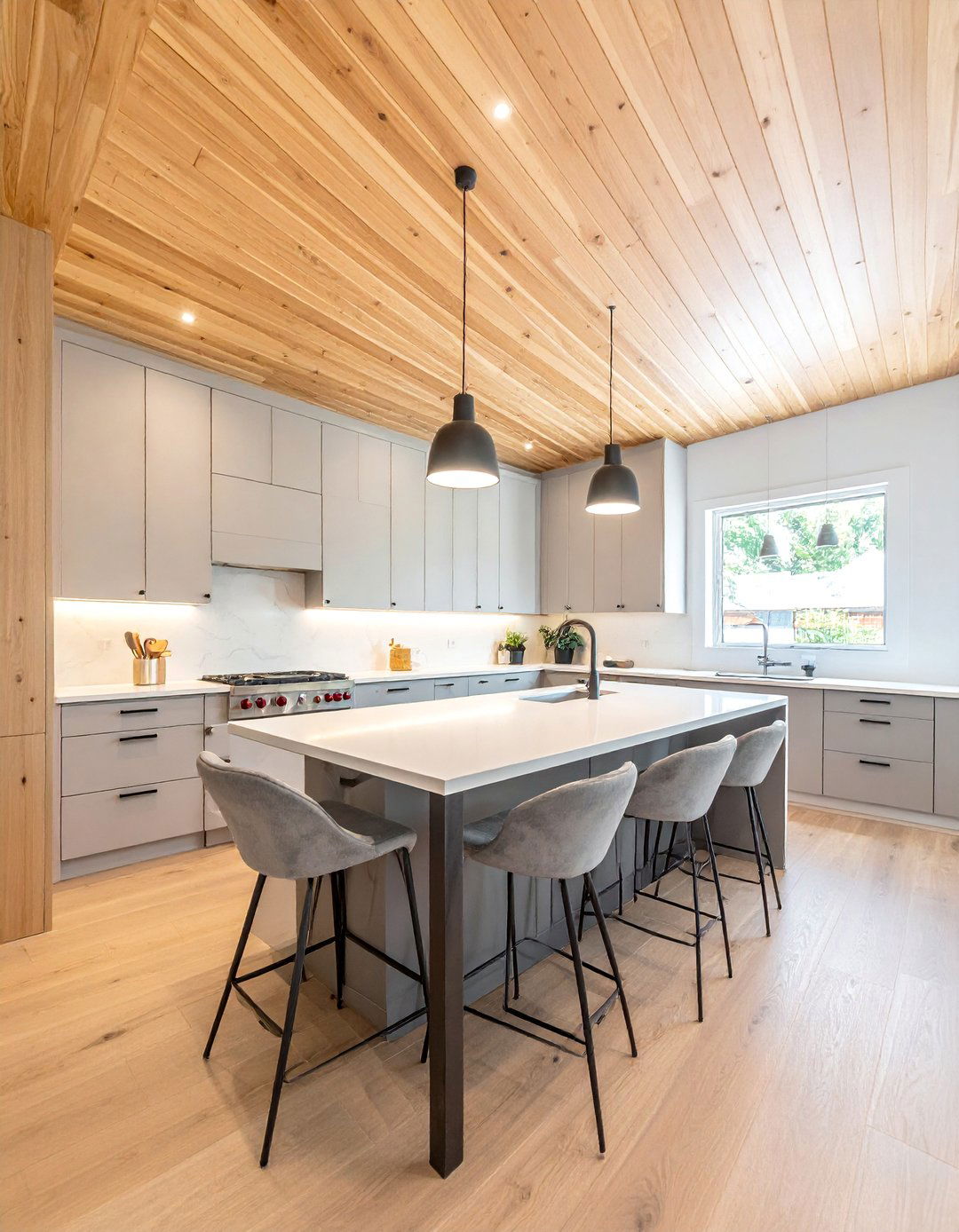
For a clean, polished, and unified appearance, a tongue and groove wood ceiling kitchen is an excellent choice. This style features planks that interlock along their edges, creating a smooth and continuous surface with very fine lines between each board. This seamless finish works well in a variety of kitchen designs, from traditional to contemporary. Using a lighter wood like maple or pine can make the space feel bright and airy, while a darker wood such as walnut adds drama and sophistication. The tight fit of the planks also provides a subtle linear pattern that can visually elongate the room, making it feel more spacious.
3. Exposed Beam Wood Ceiling Kitchen for Architectural Depth
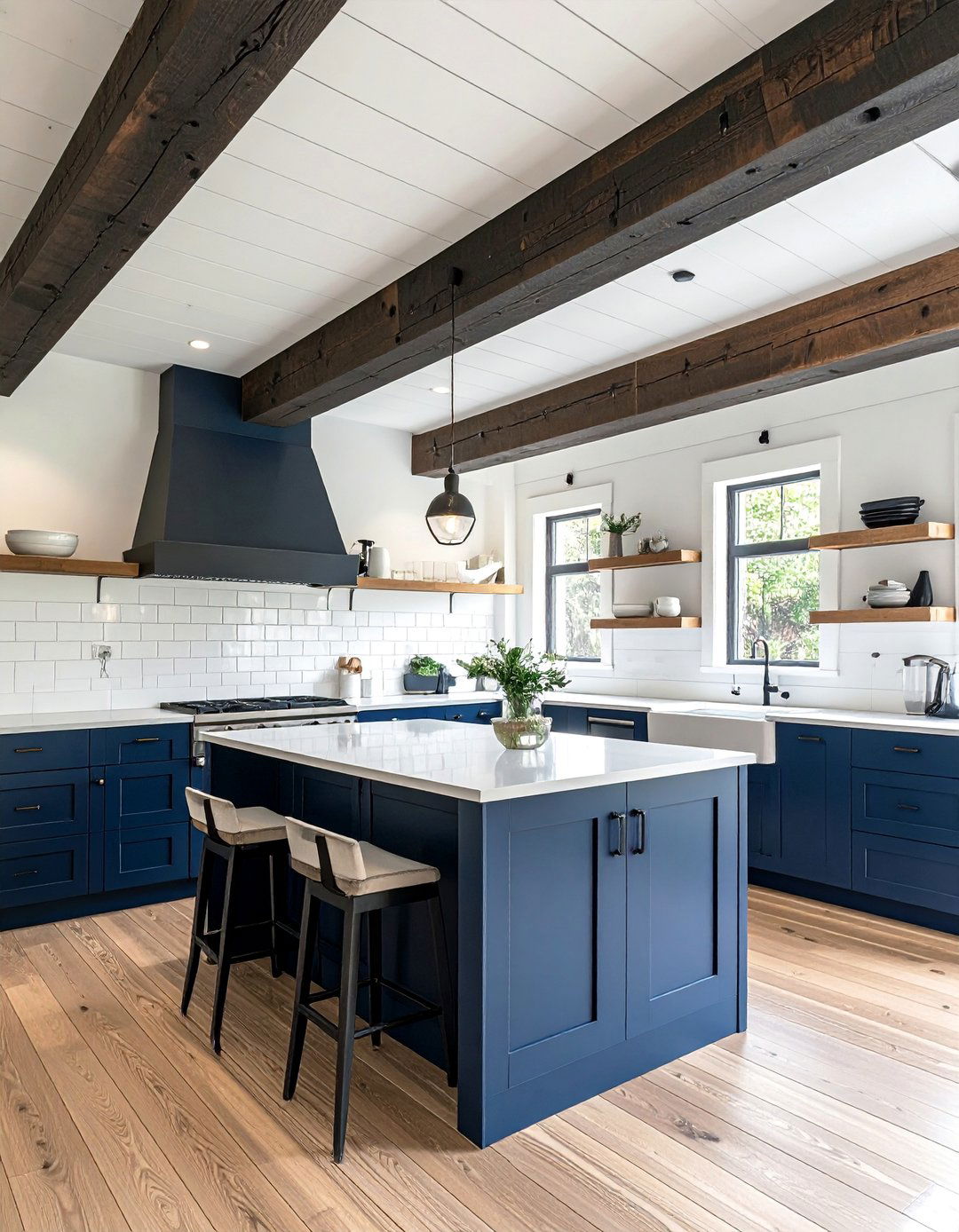
An exposed beam wood ceiling kitchen introduces bold architectural character and a sense of structural honesty to the room. These substantial timbers can be either rustic and hand-hewn for a farmhouse look or sleek and smooth for a more modern or industrial aesthetic. The beams create a strong visual rhythm across the ceiling, adding depth and drawing the eye upward. Often, the space between the beams is finished with drywall or simple wood planks, allowing the beams to stand out as the primary feature. This design not only adds visual weight but also provides an opportunity to hang statement pendant lighting over an island or dining area.
4. Vaulted Wood Ceiling Kitchen with Natural Light
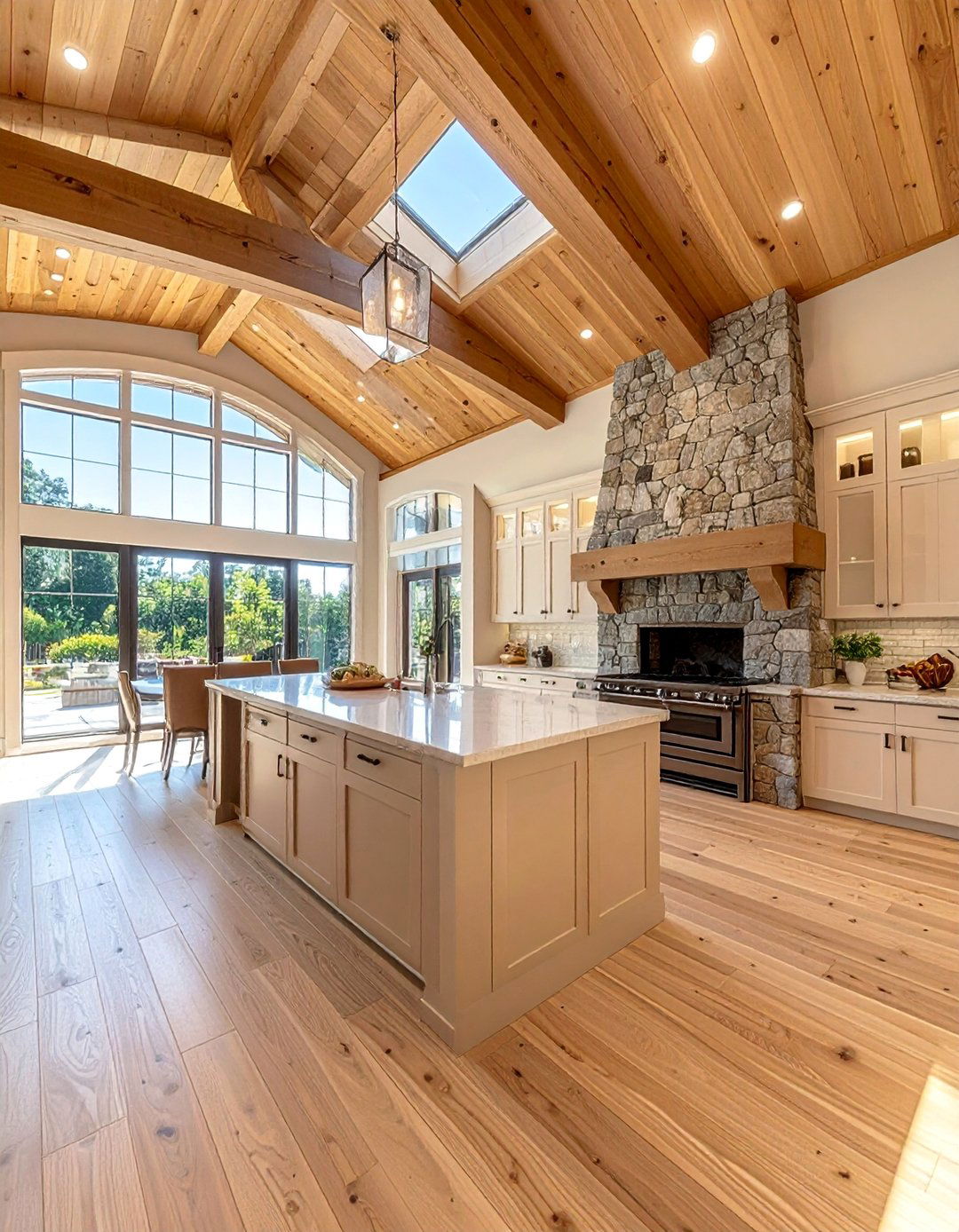
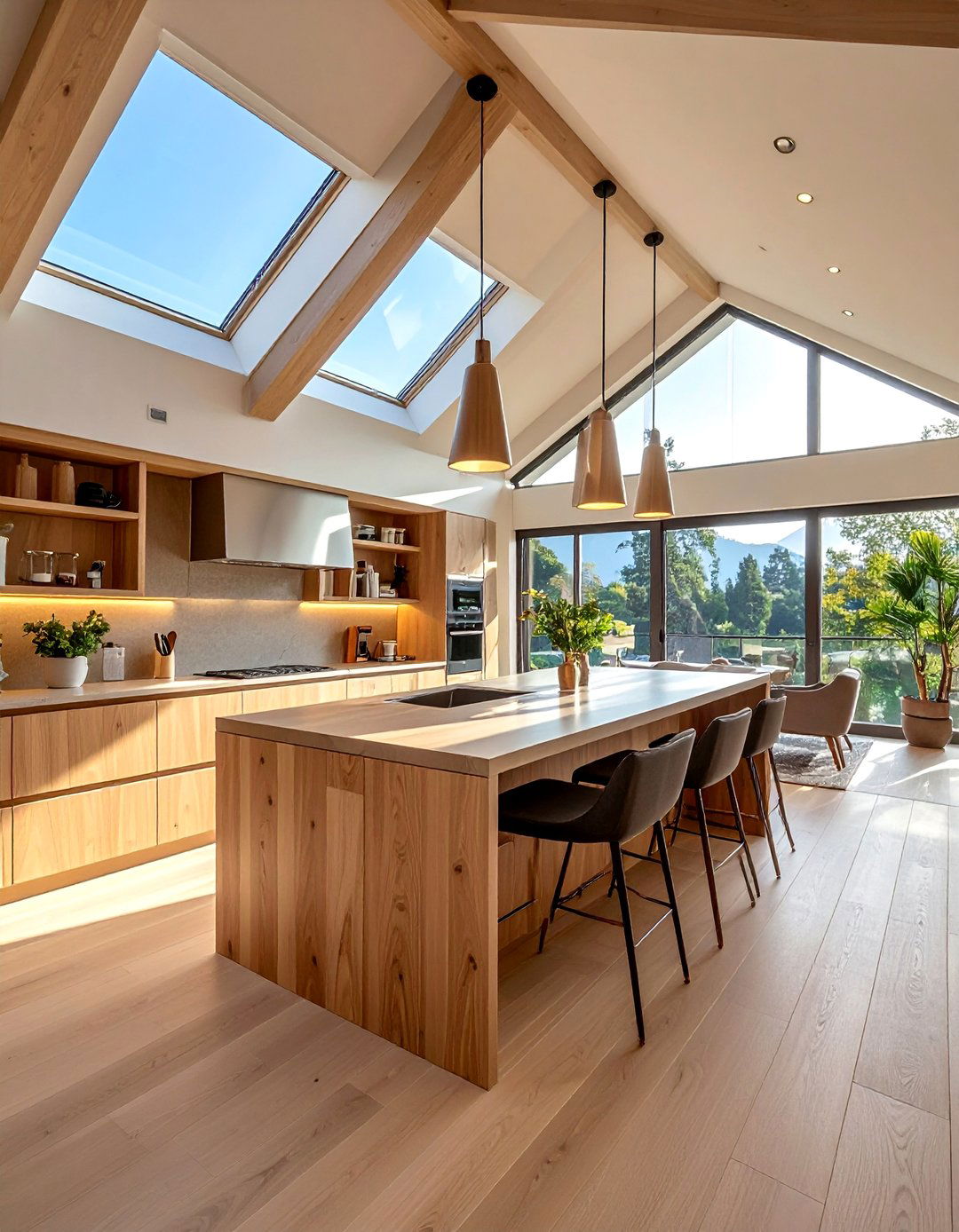
A vaulted wood ceiling kitchen creates a breathtaking sense of openness and grandeur. The high, angled planes covered in warm wood planks draw the eye upward, making the kitchen feel incredibly spacious and airy. This architectural feature is particularly effective when combined with large windows or skylights, which allow natural light to flood the space and highlight the beautiful grain and texture of the wood. The soaring height provides an opportunity for dramatic pendant lighting that can hang down to illuminate a central island. This style is ideal for creating a luxurious yet welcoming atmosphere, reminiscent of a mountain lodge or a grand country home.
5. Shiplap Wood Ceiling Kitchen for Coastal and Farmhouse Styles
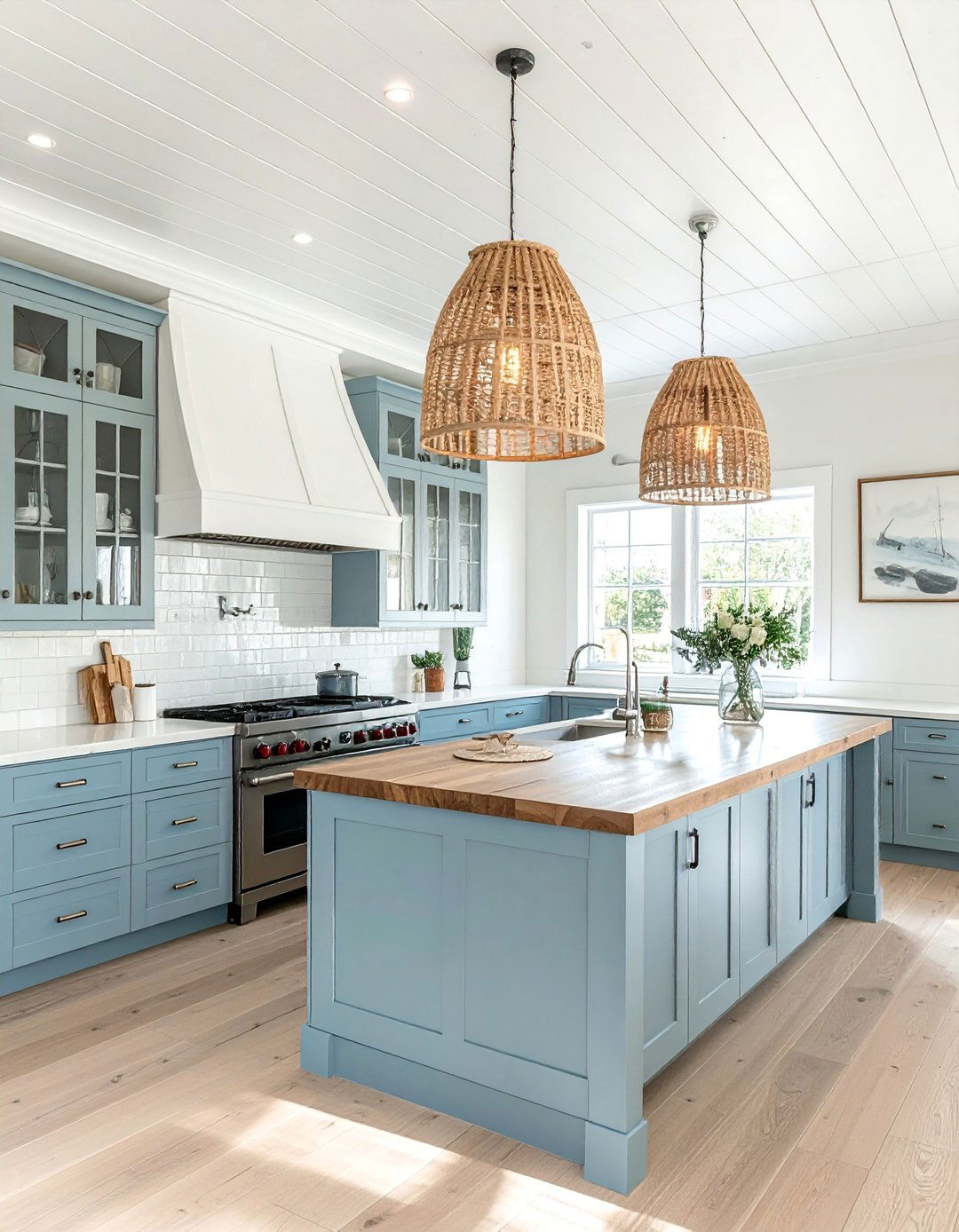
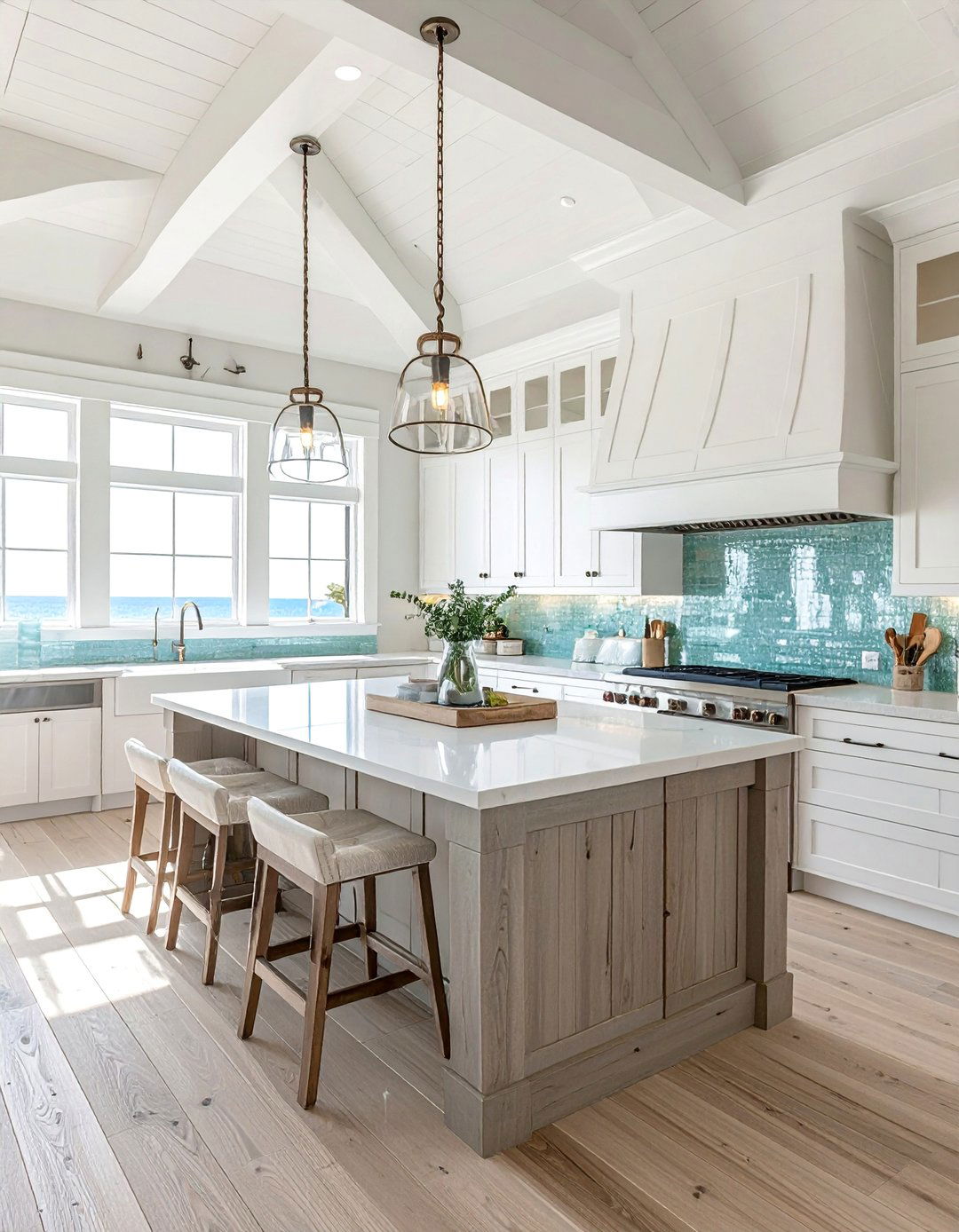
Embracing a clean yet textured aesthetic, a shiplap wood ceiling kitchen is a popular choice for modern farmhouse, coastal, and cottage-inspired designs. Characterized by long planks with a distinctive groove, or rabbet, between them, shiplap creates crisp, clean lines that add subtle visual interest without overwhelming the space. Painting the shiplap white is a classic approach that brightens the kitchen and makes it feel larger while still retaining the texture of the wood. For a warmer feel, a natural or light-stained finish can provide a touch of rustic charm. This ceiling style pairs beautifully with simple cabinetry and natural materials.
6. Whitewashed Wood Ceiling Kitchen for a Bright, Airy Feel
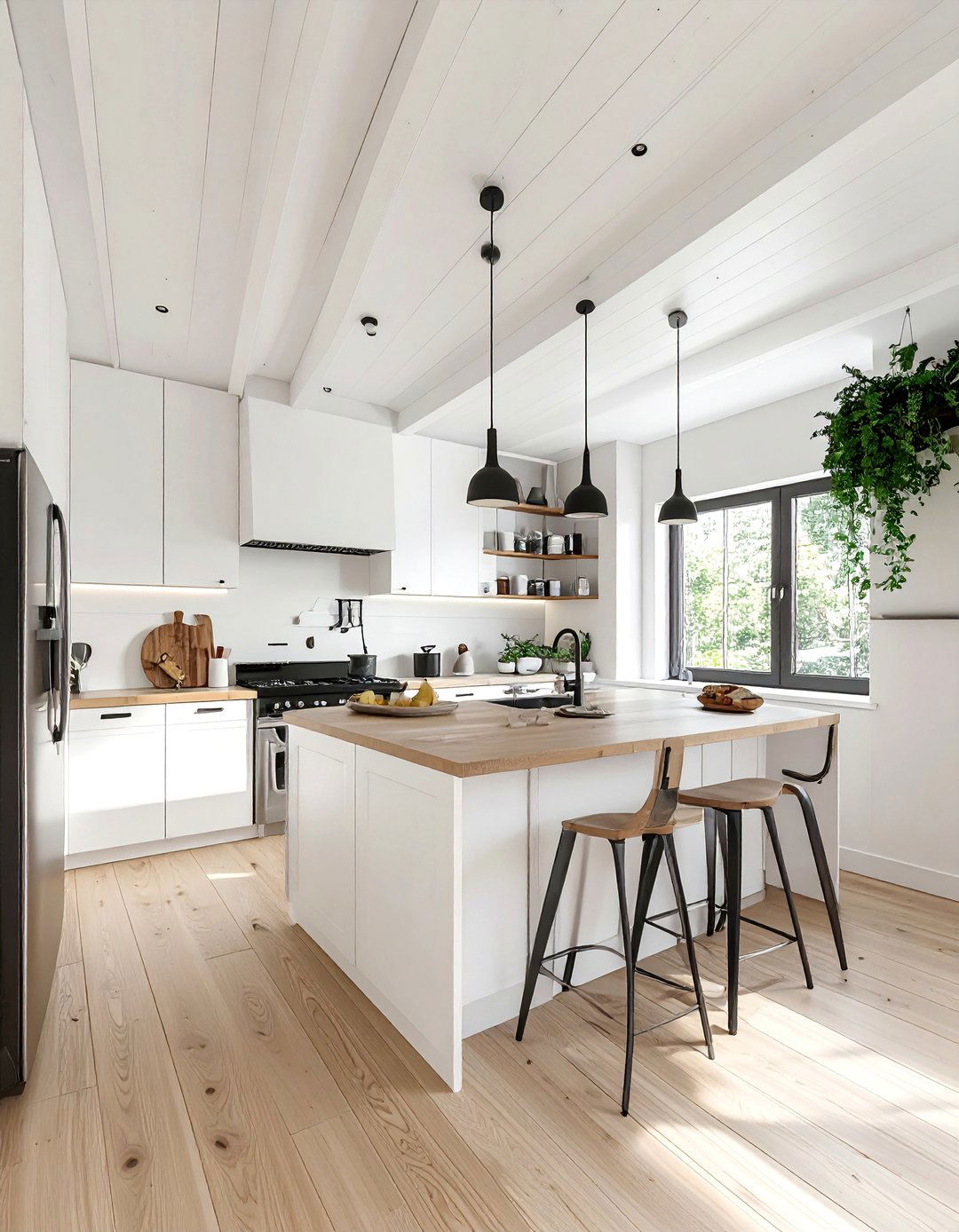
A whitewashed wood ceiling kitchen offers the perfect compromise between the texture of natural wood and the brightness of a painted ceiling. This finish involves applying a thin layer of white paint or stain, allowing the wood's grain and knots to subtly show through. The result is a soft, rustic, and airy ambiance that enhances natural light and makes the kitchen feel more open and spacious. This style is exceptionally well-suited for coastal, Scandinavian, and farmhouse interiors. It adds a layer of visual interest and character overhead without the visual weight that a darker wood stain might bring, keeping the room feeling fresh and light.
7. Dark Wood Ceiling Kitchen for a Dramatic Statement
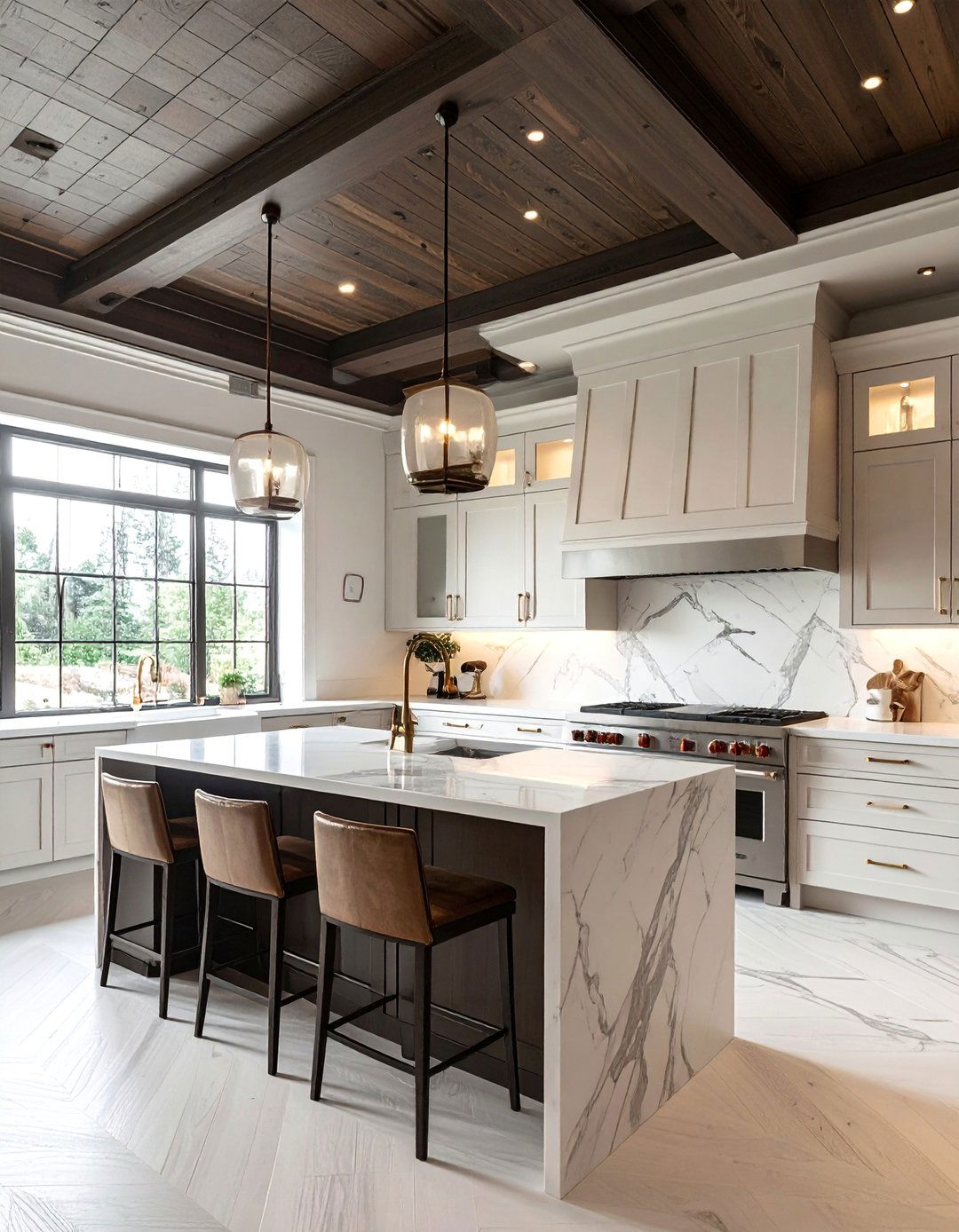
To create a bold and sophisticated atmosphere, a dark wood ceiling kitchen makes an unforgettable statement. Finishes like espresso, walnut, or ebony lend a sense of drama and intimacy to the space, making it feel cozy and enveloping. This approach works especially well in kitchens with high ceilings or abundant natural light, which helps balance the richness of the dark wood. To prevent the room from feeling too heavy, pair the dark ceiling with lighter elements below, such as white or cream-colored cabinets, a pale countertop, and reflective surfaces like stainless steel appliances. This contrast highlights the ceiling as a stunning, luxurious focal point.
8. Coffered Wood Ceiling Kitchen for Classic Elegance
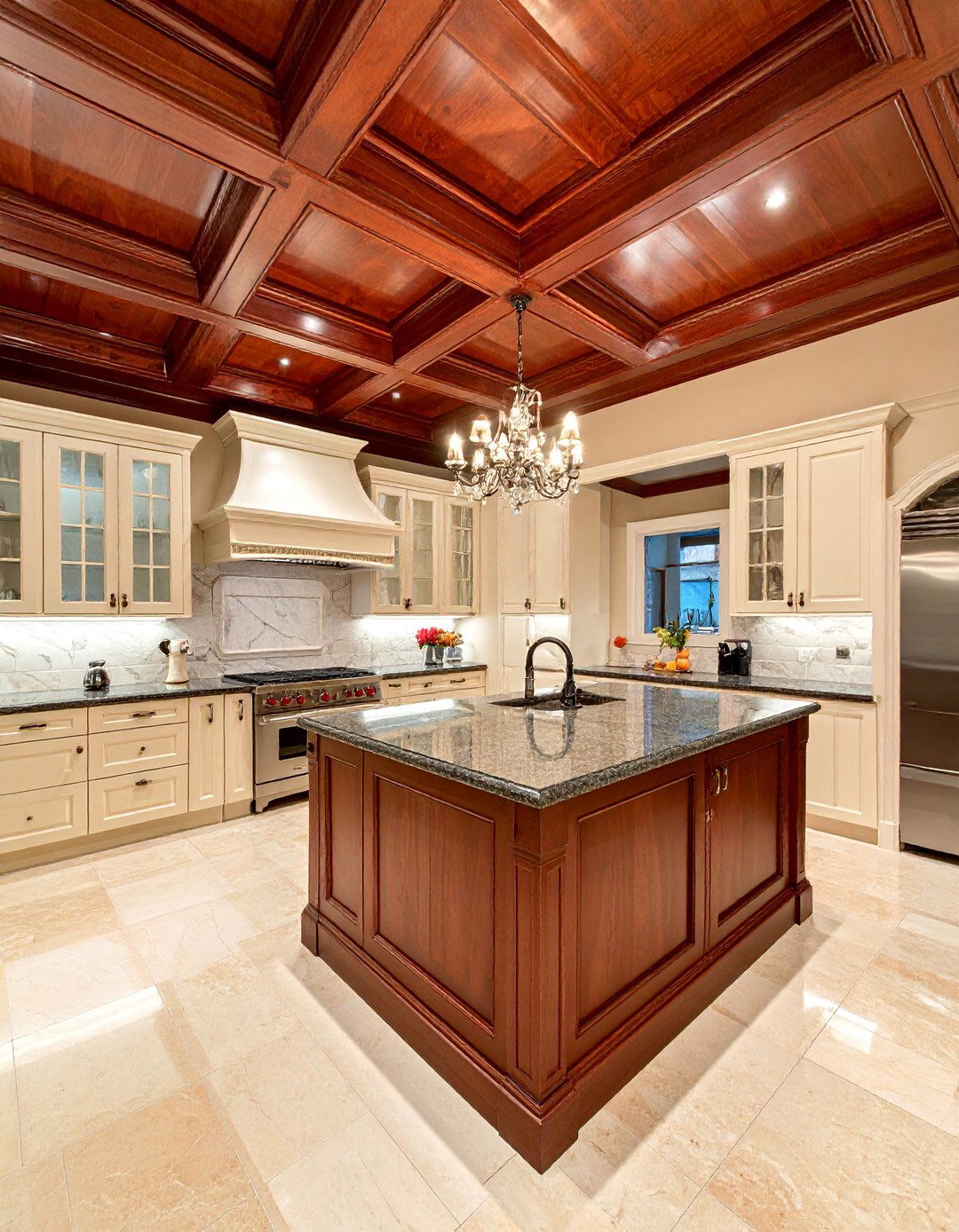
A coffered wood ceiling kitchen brings a sense of traditional elegance and architectural sophistication to the heart of the home. This design features a grid of recessed panels, typically square or rectangular, created by intersecting beams. The resulting pattern adds depth, dimension, and a formal, custom-built look. For a truly classic style, rich wood tones like cherry or mahogany can be used, often complemented by intricate crown molding. In a more transitional kitchen, the coffers can be painted white with wood panel insets for a brighter, more contemporary take on this timeless design. This ceiling is a powerful statement of luxury and craftsmanship.
9. Herringbone Pattern Wood Ceiling Kitchen for a Unique Design
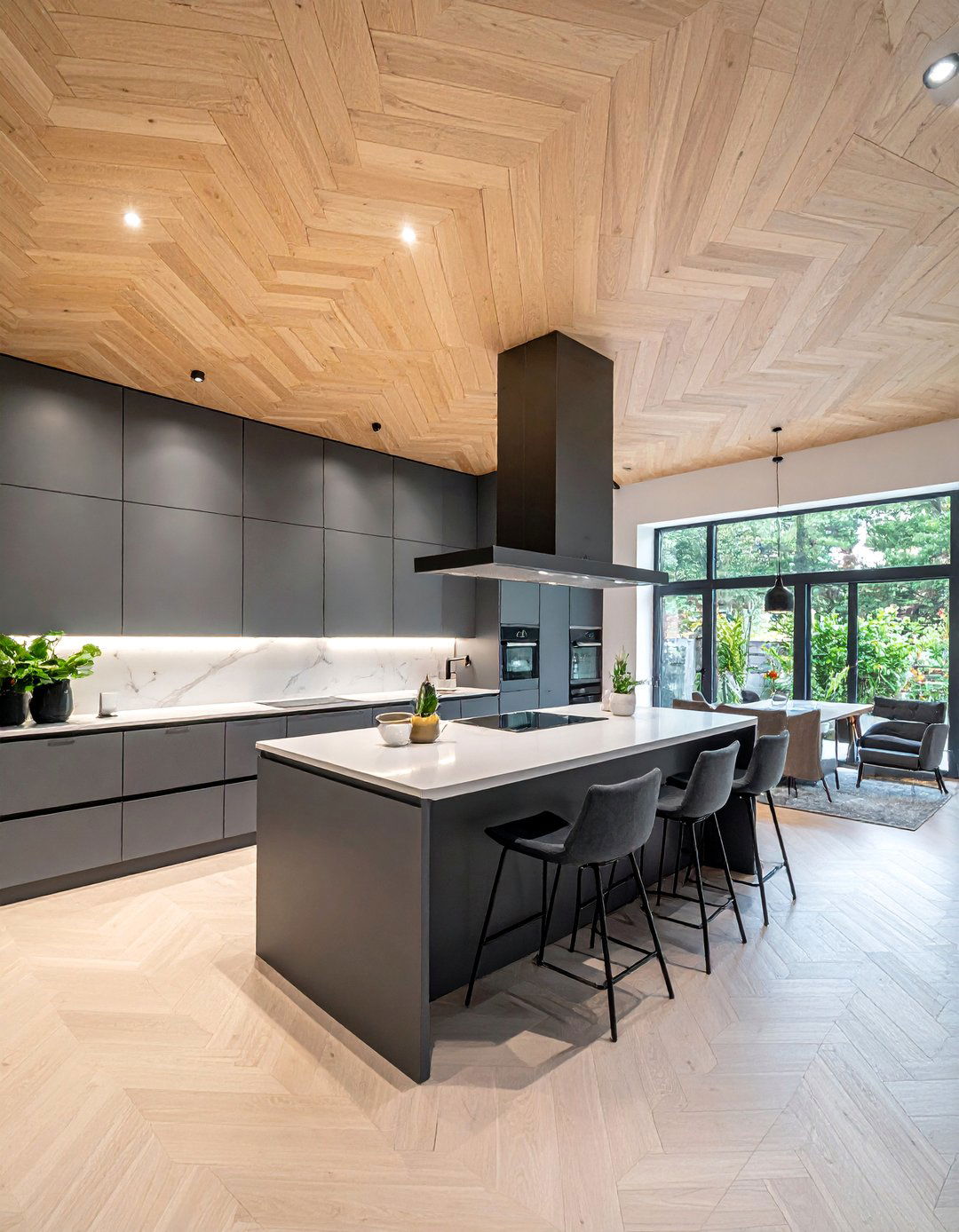
For a truly custom and artistic touch, a herringbone pattern wood ceiling kitchen is a spectacular choice. This design involves arranging short wood planks in a V-shaped, zigzag pattern, creating a sense of movement and dynamic visual interest. The intricate layout transforms the ceiling from a simple surface into a stunning work of art. This style can be adapted to various aesthetics; a reclaimed wood herringbone pattern feels rustic and textured, while smooth, light-toned wood planks create a more modern and Scandinavian vibe. It adds a layer of sophisticated detail that elevates the entire kitchen design, making a memorable and high-end impression.
10. Light Wood Ceiling Kitchen for a Scandinavian Vibe
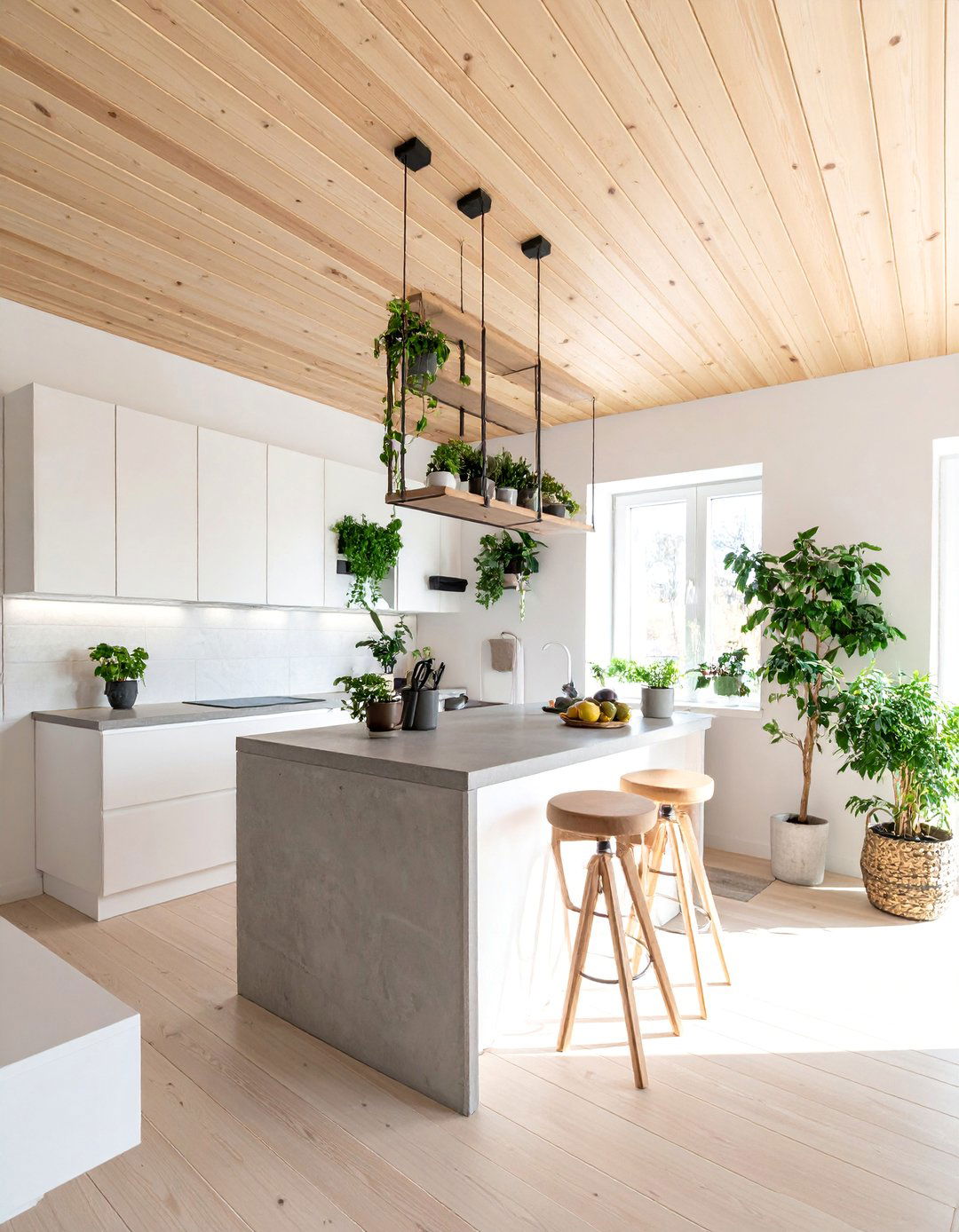
Inspired by minimalist and nature-centric design, a light wood ceiling kitchen creates a serene and inviting atmosphere. Woods like birch, ash, or light pine are ideal for achieving this clean, Scandinavian-inspired look. The pale tones of the wood help to reflect natural light, making the kitchen feel bright, open, and airy. This ceiling style pairs perfectly with simple, flat-panel cabinets, neutral color palettes, and uncluttered countertops. The focus is on natural materials and simplicity, allowing the subtle beauty of the wood grain to add warmth and texture without overwhelming the minimalist aesthetic. It’s a timeless choice for a calm and functional space.
11. Wood Slat Ceiling Kitchen for Modern Texture
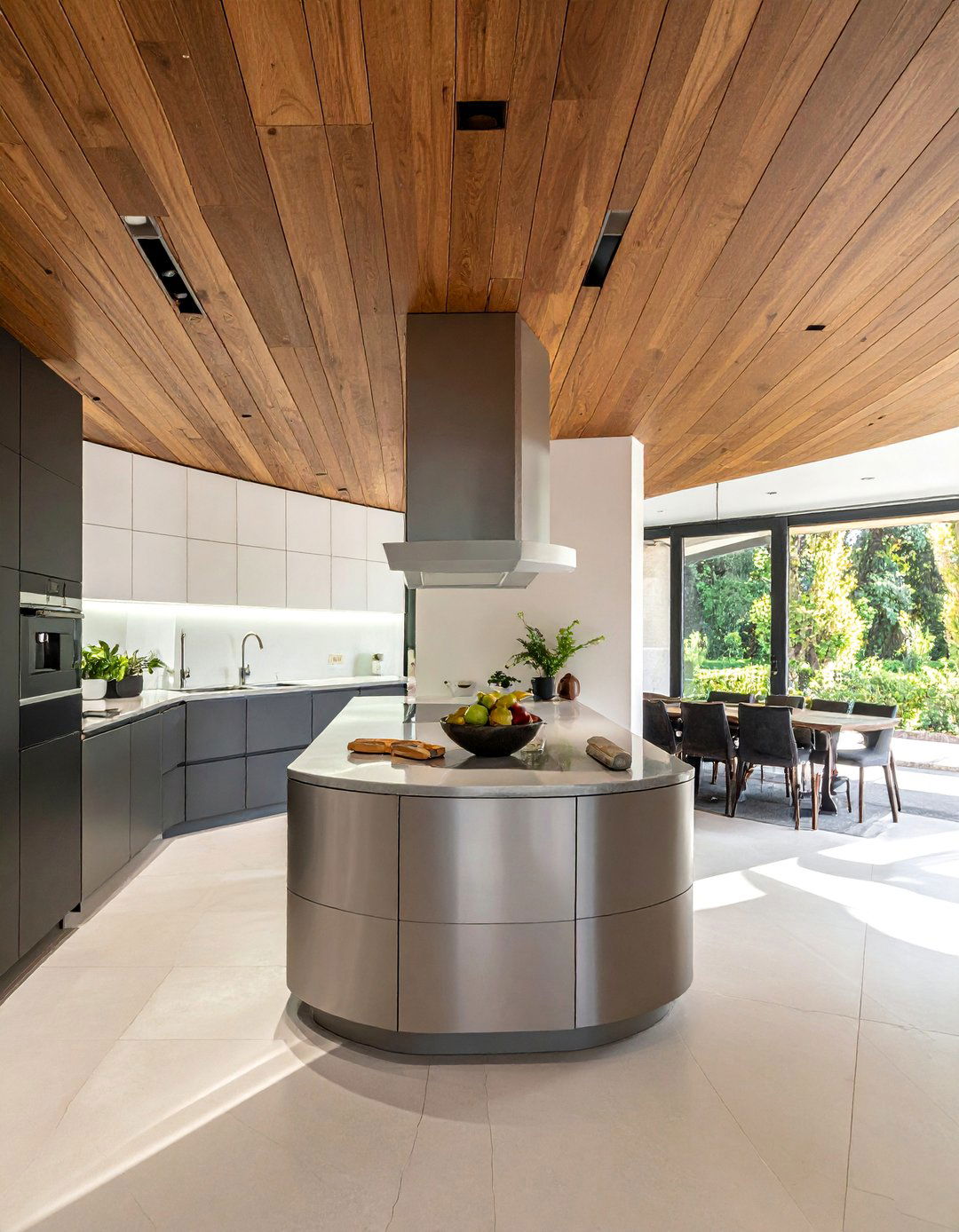
A wood slat ceiling kitchen introduces a clean, linear, and contemporary element to the space. This design consists of narrow wooden slats installed with small gaps in between, creating a visually interesting and textured surface. The parallel lines draw the eye across the room, which can make the kitchen appear longer or wider. This style is highly versatile; it can be used to conceal lighting or ventilation systems while maintaining a sleek look. The gaps between the slats also offer acoustic benefits by helping to absorb sound. Often used in modern and minimalist designs, a wood slat ceiling adds warmth and organic texture to an otherwise streamlined space.
12. Plywood Ceiling Kitchen for an Affordable, Modern Look
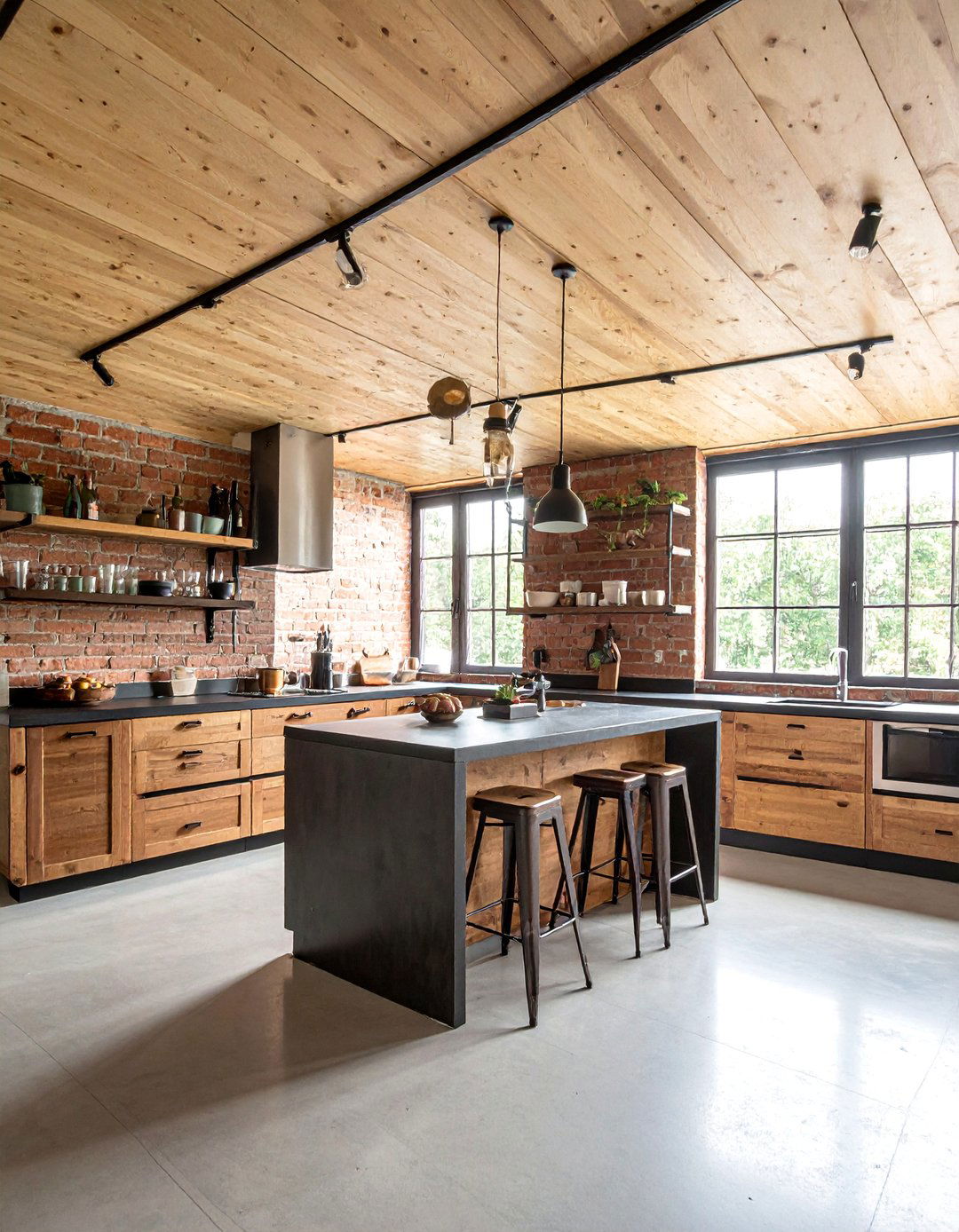
Offering a minimalist and budget-friendly alternative, a plywood ceiling kitchen can deliver a surprisingly chic and modern aesthetic. Using large sheets of high-quality plywood creates a clean, uniform surface with a subtle but beautiful wood grain. The light, natural color of birch or maple plywood can brighten the space, aligning perfectly with Scandinavian or industrial design principles. The edges of the plywood sheets can be left exposed to highlight their layered construction, adding a unique and honest detail. This simple yet effective material choice brings warmth and texture to the kitchen ceiling without the expense or complexity of individual planks or beams.
13. Wood Ceiling Kitchen with Integrated Lighting
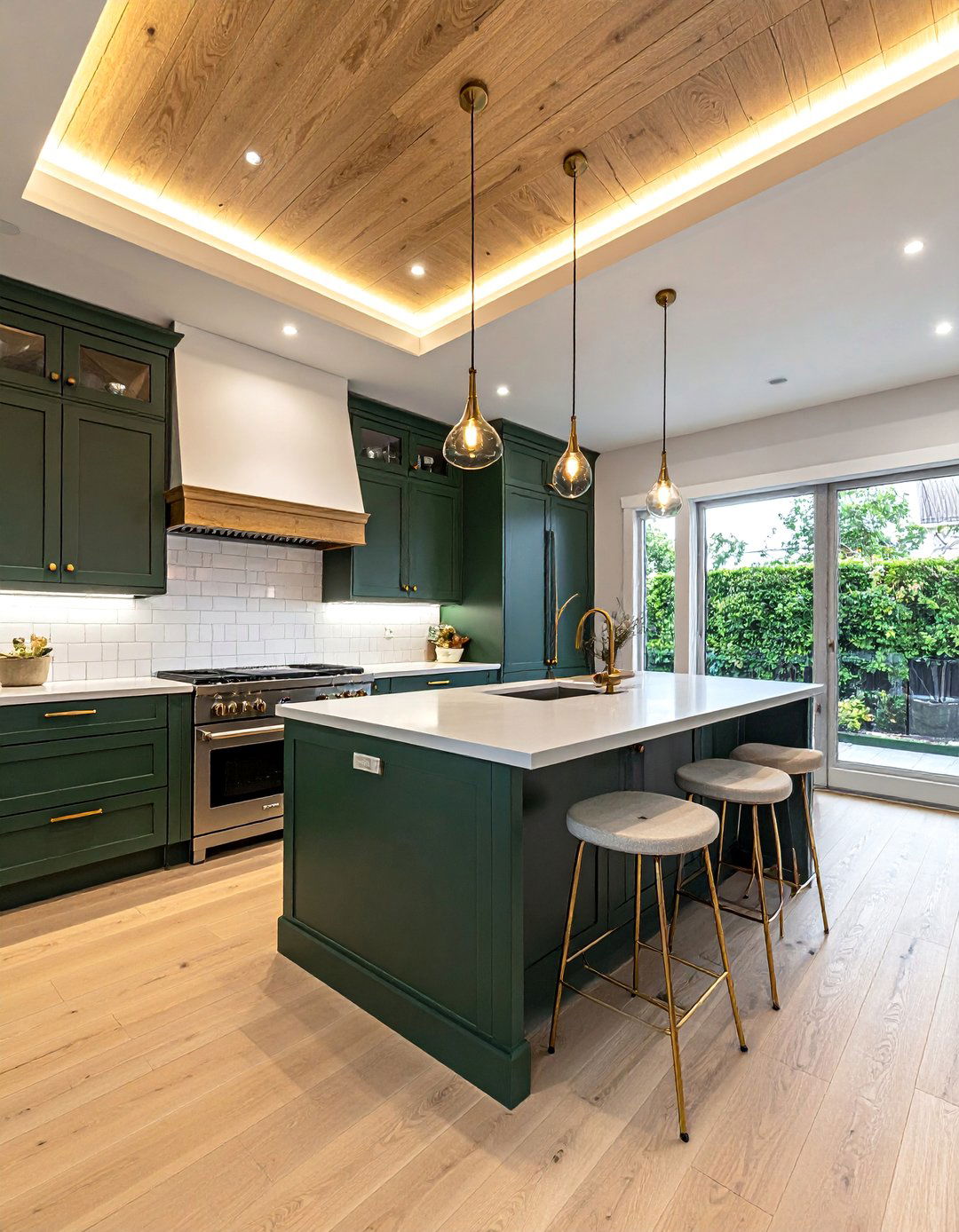
Thoughtfully designed lighting is crucial, and a wood ceiling kitchen with integrated lighting combines functionality with seamless style. Rather than hanging fixtures that interrupt the flow of the wood, lights are recessed directly into or between the planks or beams. This can include small, discreet pot lights that provide excellent task lighting over countertops, or LED strips tucked into channels for a modern, ambient glow. This approach keeps the ceiling looking clean and uncluttered, allowing the natural beauty of the wood to be the main feature. It ensures the kitchen is well-lit for cooking while maintaining a warm, cohesive, and sophisticated aesthetic.
14. Two-Tone Wood Ceiling Kitchen for Visual Contrast
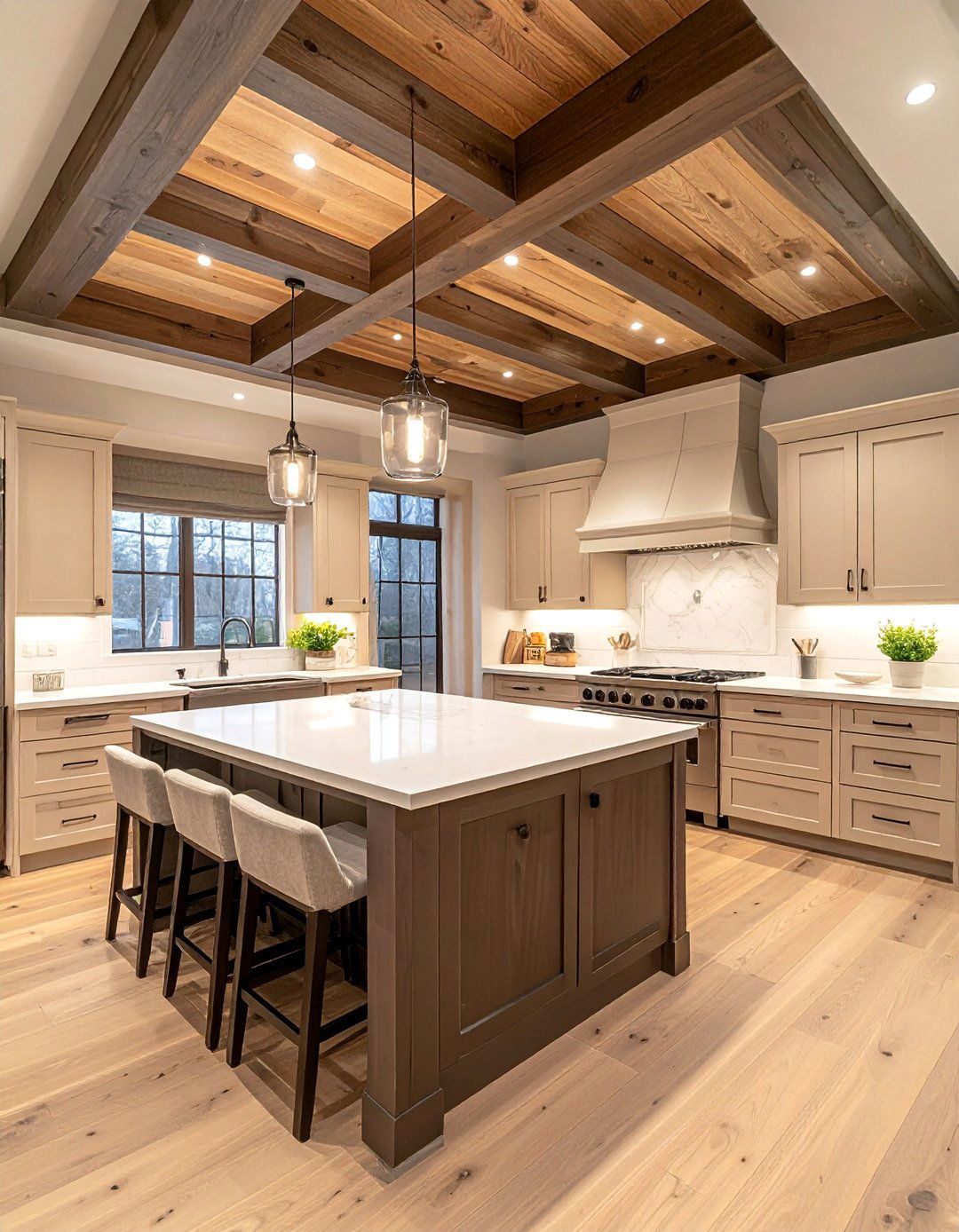
A two-tone wood ceiling kitchen offers a creative way to add depth and visual interest through the use of contrasting finishes. This can be achieved in several ways. For instance, structural beams might be stained a dark, rich color, while the planks between them are finished in a much lighter, natural tone. Another approach is to create a pattern using two different types of wood with distinct colors and grains. This design strategy breaks up the monotony of a single-color ceiling, creating a custom and dynamic look. It’s an excellent method for highlighting architectural features like coffers or beams and adding a layer of bespoke sophistication to the kitchen.
15. Wood Ceiling Kitchen Extending to an Outdoor Space
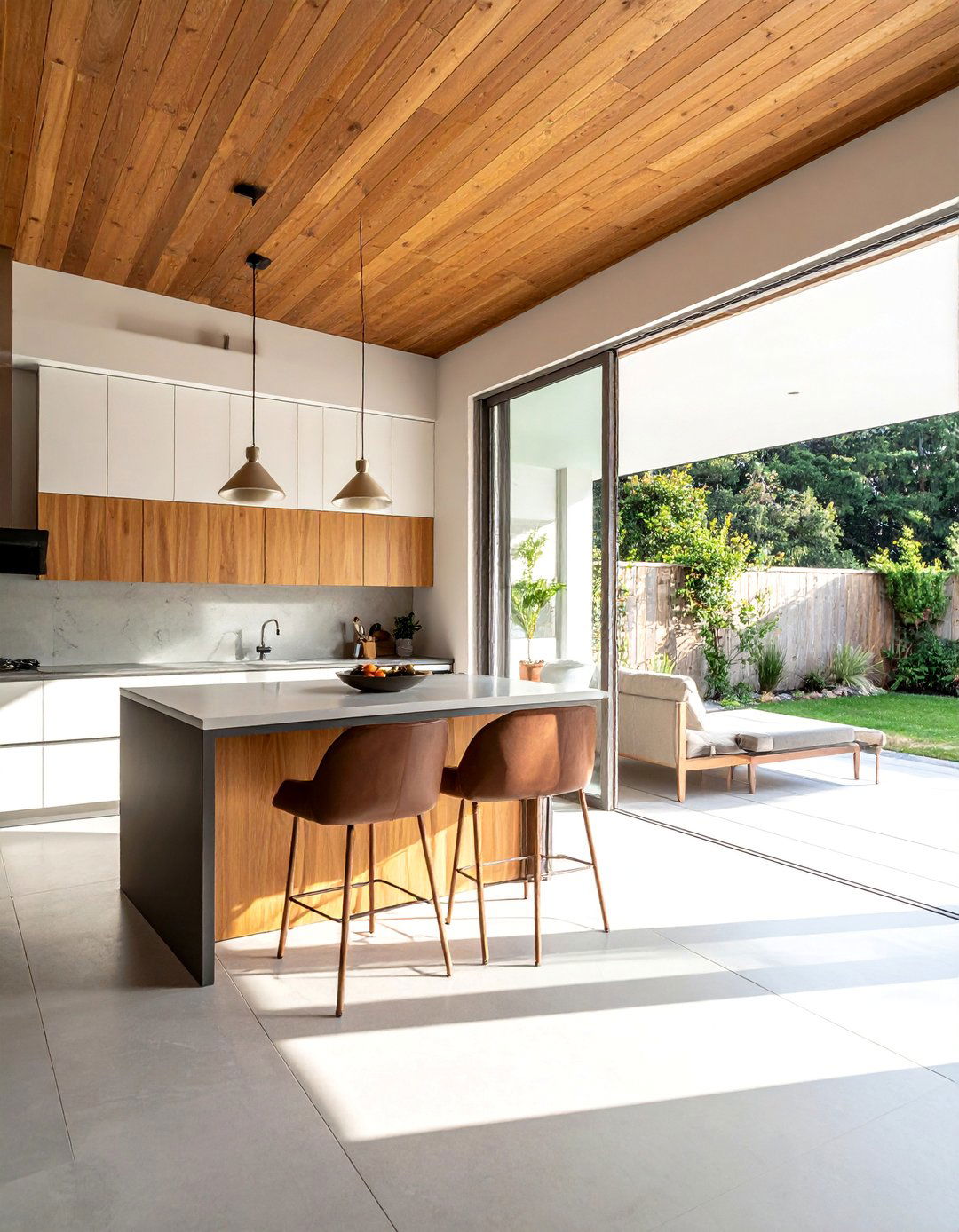
Creating a seamless transition between indoors and out, a wood ceiling kitchen that extends to a covered patio or outdoor living area is a stunning design feature. This continuity visually connects the two spaces, making the kitchen feel larger and more integrated with its surroundings. Using the same wood material and style for both the interior ceiling and the exterior soffit creates a beautiful, uninterrupted sightline, especially when large glass doors or windows are present. This approach enhances the sense of an open, flowing layout, perfect for entertaining and embracing an indoor-outdoor lifestyle. It brings natural warmth to both zones, creating a cohesive and expansive feel.
Conclusion:
Incorporating a wood ceiling into your kitchen is a powerful design choice that adds unparalleled warmth, character, and texture. From the rustic charm of reclaimed planks and the classic elegance of coffered designs to the modern appeal of sleek wood slats, there is an option to suit any aesthetic. Whether you opt for a dramatic dark wood statement or a light and airy whitewashed finish, a wood ceiling elevates the kitchen from a utilitarian room to a cozy, inviting hub. This single feature can define the entire space, creating a timeless and welcoming ambiance for all to enjoy.
Related posts:
Leave a Reply